

April 1, 2015
On Monday, April 28, 2014, we celebrated the 25th Annual Goldman Environmental Prize ceremony in San Francisco. Six outstanding individuals from around the world were awarded the Prize for their environmental accomplishments. Today, in the first of a two part series, we’ll hear from three of them about their first year as Goldman Prize winners.
Ramesh Agrawal, an Indian right to information activist, successfully shut down one of the largest coal mines in his region. Environmental experts credit Agrawal with bringing national and international awareness to the problems disenfranchised communities in India face from the lack of accountability by industrial developers—and a government all too willing to turn a blind eye.
But thanks to the work of activists like Agrawal, that may be beginning to change. In late 2014, India’s Supreme Court issued a ruling that declared all mining licenses issued after 1993 to be illegal.
“The Supreme Court verdict that canceled all but a handful of coal mining licenses is certainly great news. It exposes the unholy nexus that exists between politicians, bureaucrats and the extraction industries in India… However, it’s important this reprieve will only be temporary,” Agarwal commented about the ruling.
Today, Agrawal’s work continues to give hope to other communities fighting unchecked industrial development throughout India.
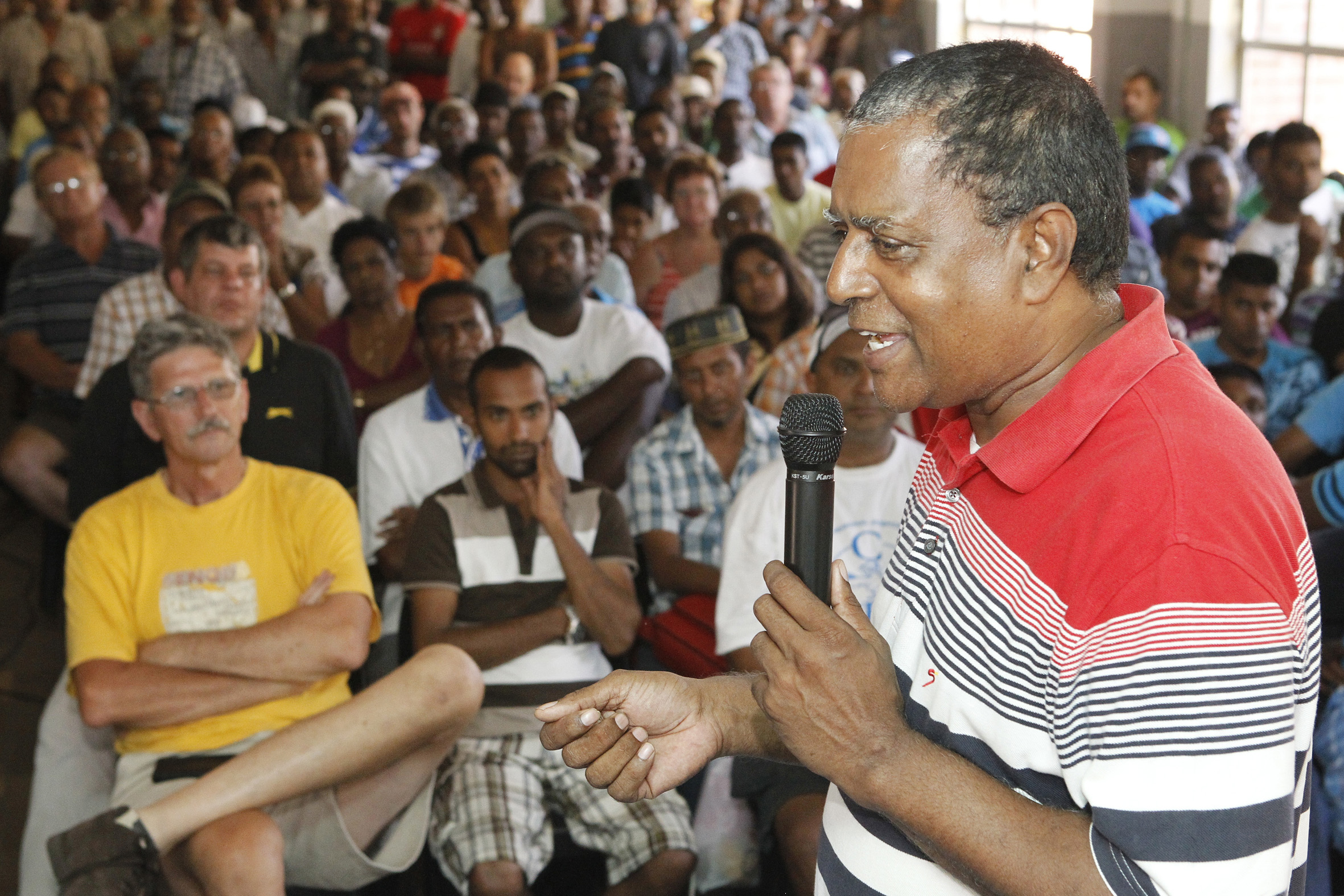
Meanwhile, Desmond D’Sa, a South African activist who was awarded the Prize for rallying south Durban’s diverse and disenfranchised communities to successfully shut down a toxic waste dump, continues his fight for environmental justice.
In September 2014, he joined over 300,000 demonstrators in New York City for the People’s Climate March to demand swift action on climate change. Nearly 125 world leaders, including several other Goldman Prize winners (Father Edwin Gariguez and Oscar Olivera) gathered in New York for the UN Climate Summit, the largest-ever climate meeting.
When asked for his reflections about his first year as a Goldman Prize winner, D’Sa said this:
“I was overwhelmed and astounded that the global community had recognized my work. It is such an honor to represent South Africa let alone the entire continent of Africa. The award gives me strength to continue to fight for environmental justice, support those who advocate for a better world, and to protect the present so that we can determine the future!”
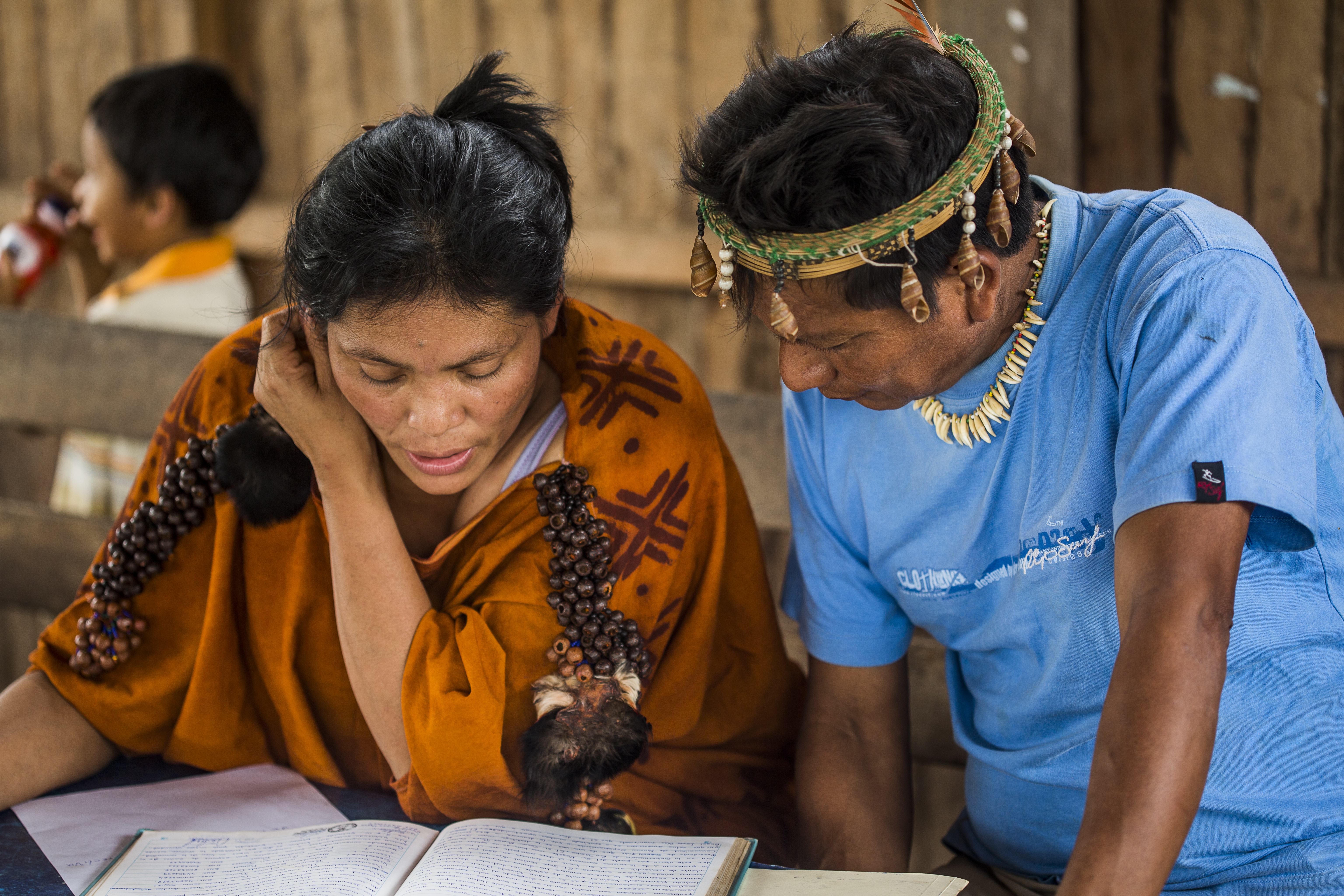
Peruvian activist Ruth Buendia was awarded the Prize for uniting the Asháninka people in a successful campaign to stop two large-scale dams that would have uprooted her indigenous community.
In December 2014, Buendia attended COP20 in Lima, Peru. Representatives from nearly 200 countries gathered there for the final round of climate negotiations before the Paris Climate Summit in 2015.
While ultimately underwhelmed by the outcome of the conference, Buendia was “happy to able to voice the demands and needs of indigenous communities.”
Today Buendia continues to advocate for the Asháninka. She is working on developing a management plan for the Asháninka Communal Reserve that would protect their lands from future development while allowing local communities to pursue sustainable economic opportunities such as coffee and cacao farming.
Be sure to check back next week for the second part of this two part series, in which we’ll check in with Helen Slottje, Suren Gazaryan and Rudi Putra.


