Request Permission to Use Media
If you wish to use media materials for any purpose, it is required to submit a request here and await written approval.
Get in Touch
Please reach out to our media contacts for inquiries.



Request access to photos and videos, explore our latest press releases, and download social media assets.
If you wish to use media materials for any purpose, it is required to submit a request here and await written approval.
Please reach out to our media contacts for inquiries.


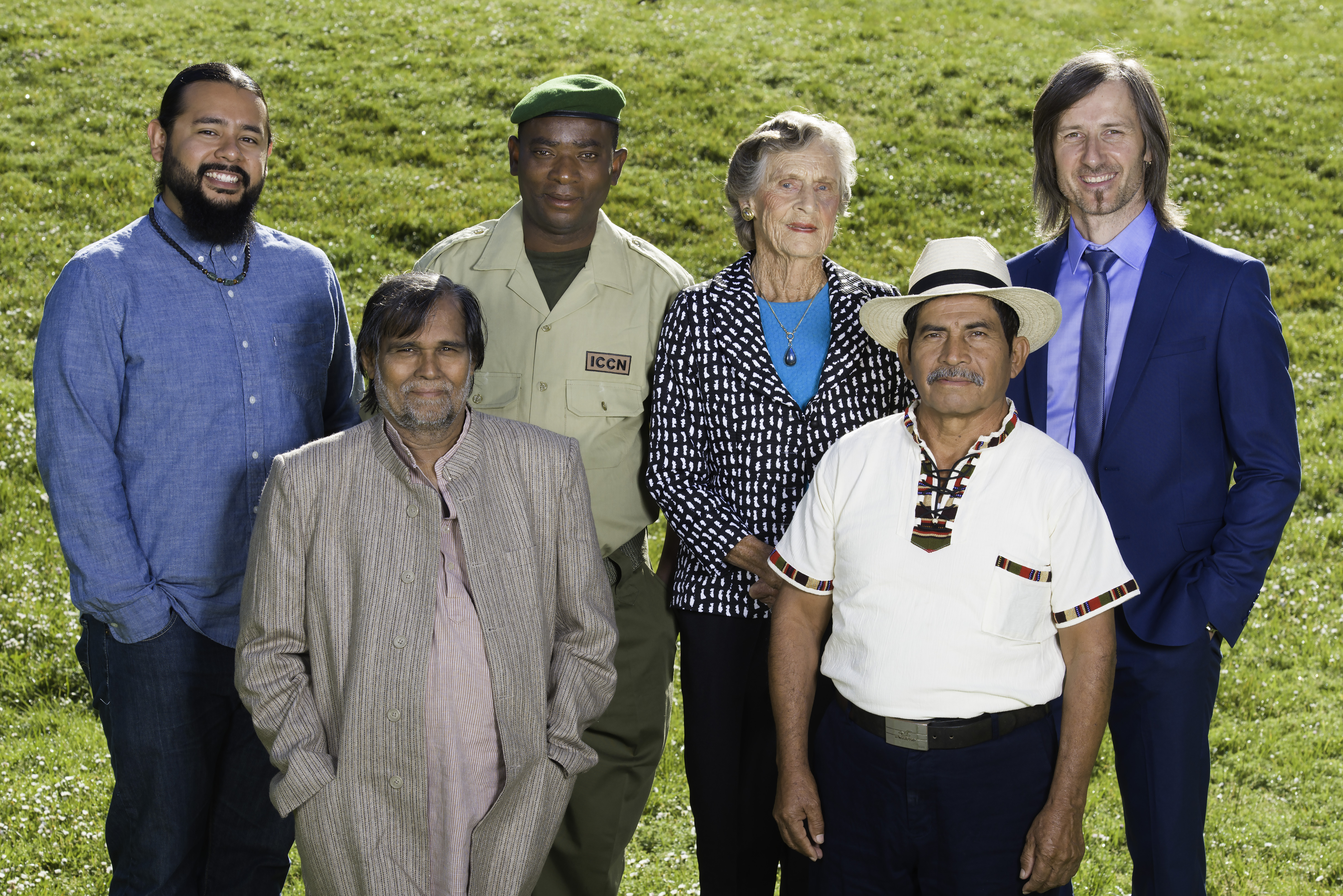
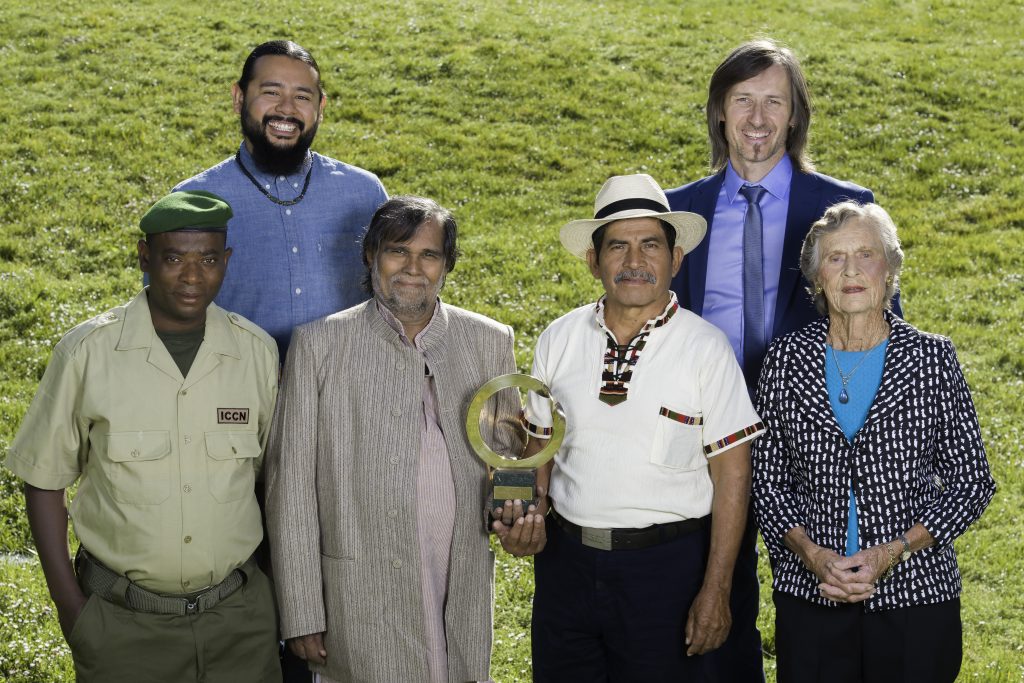
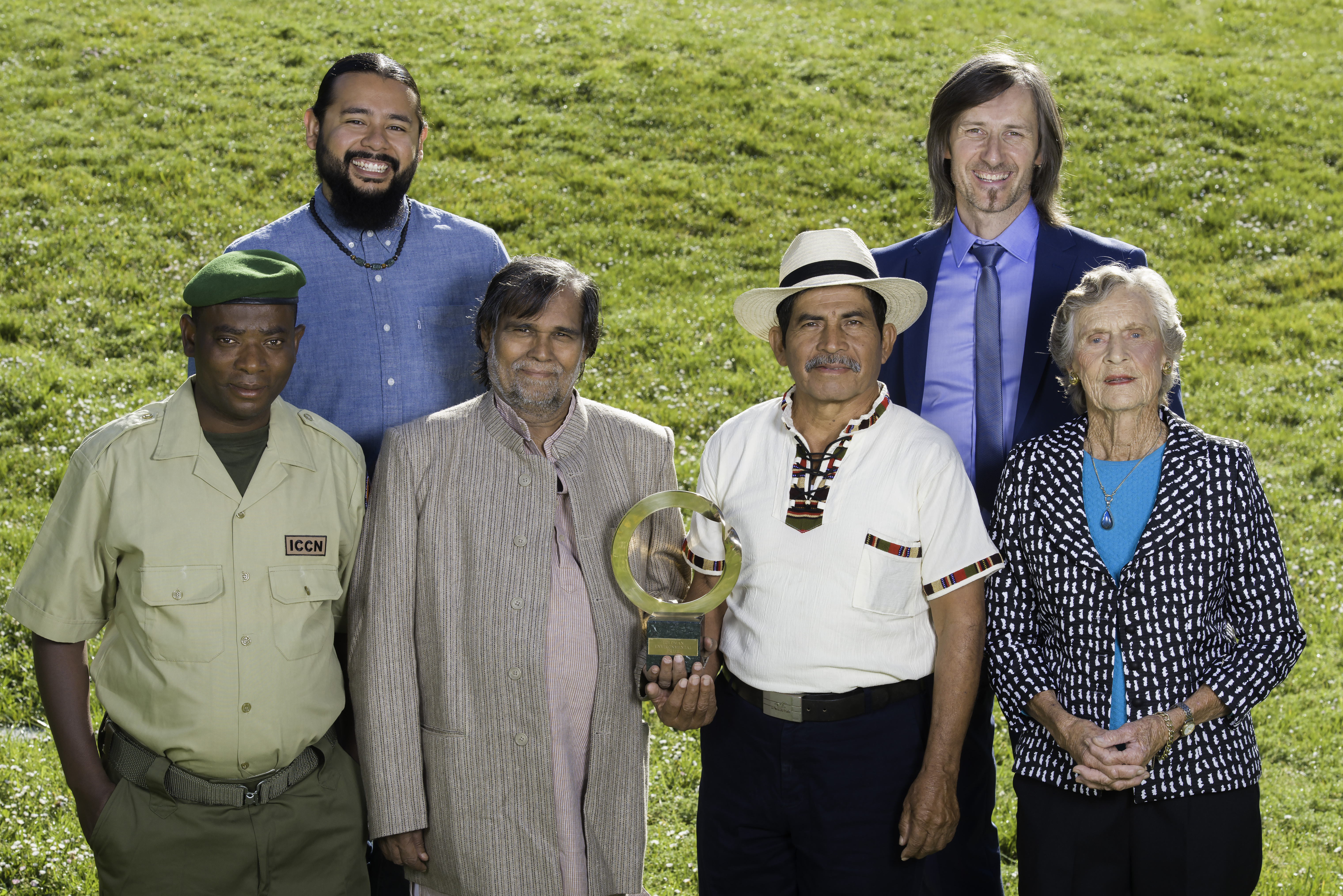
The 2017 Goldman Environmental Prize Winners

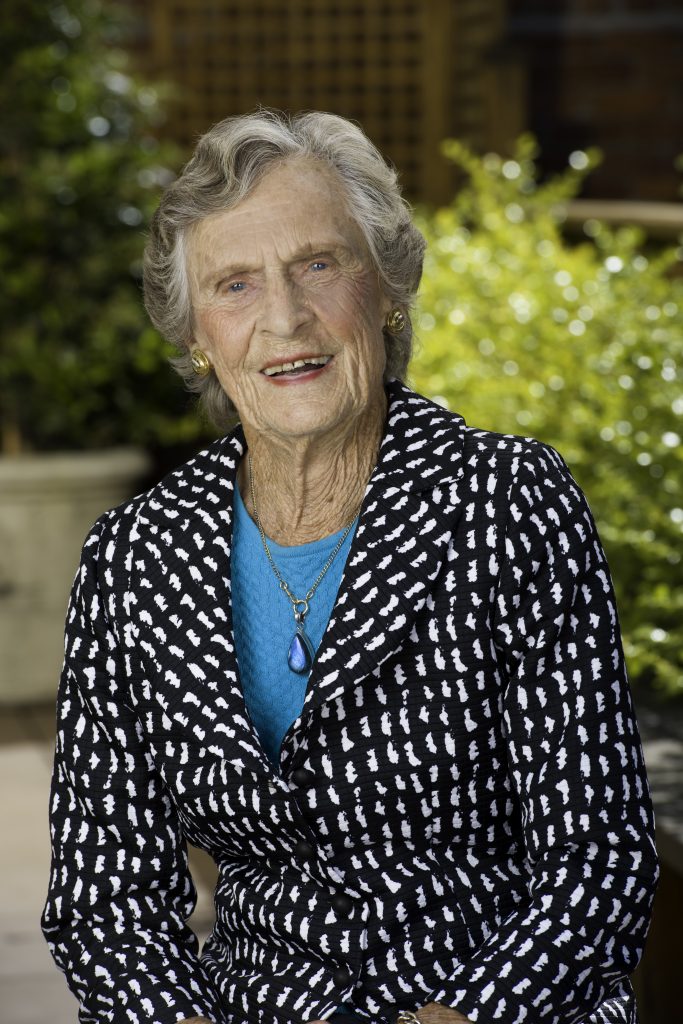
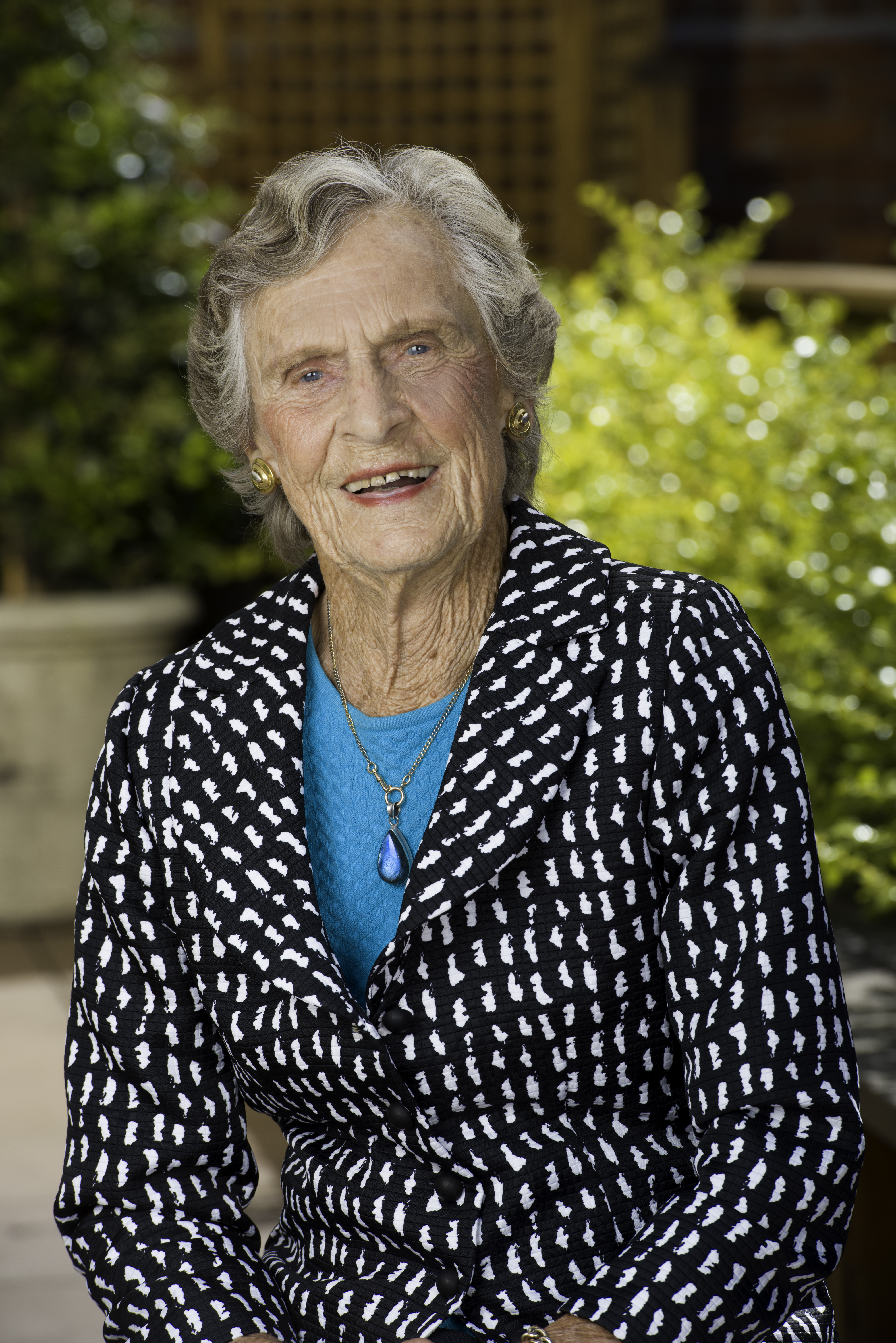
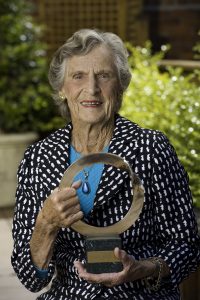
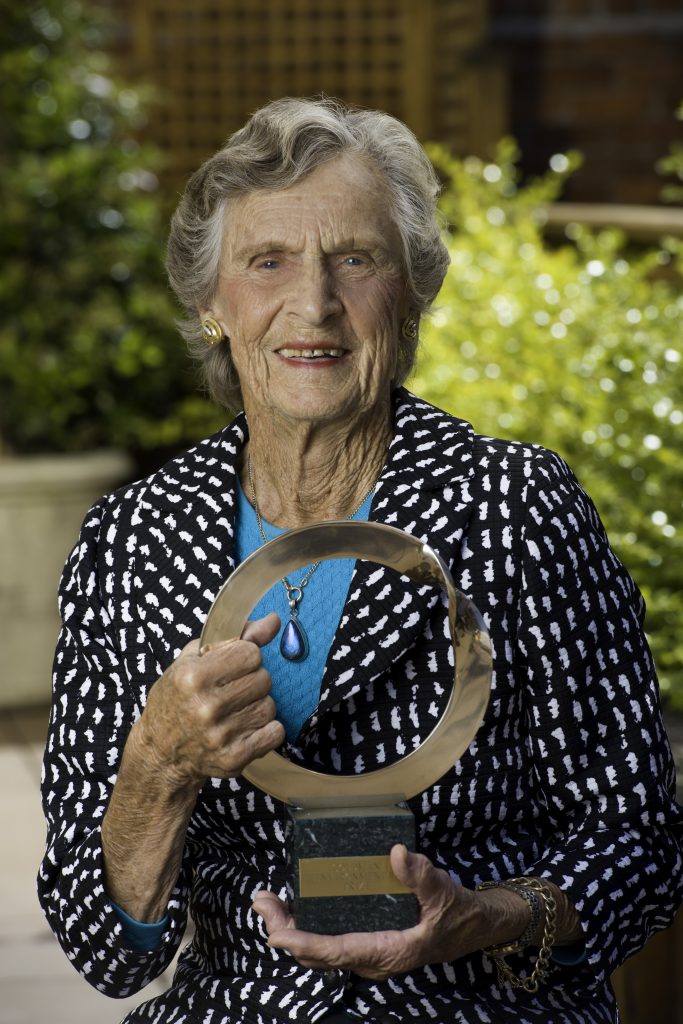
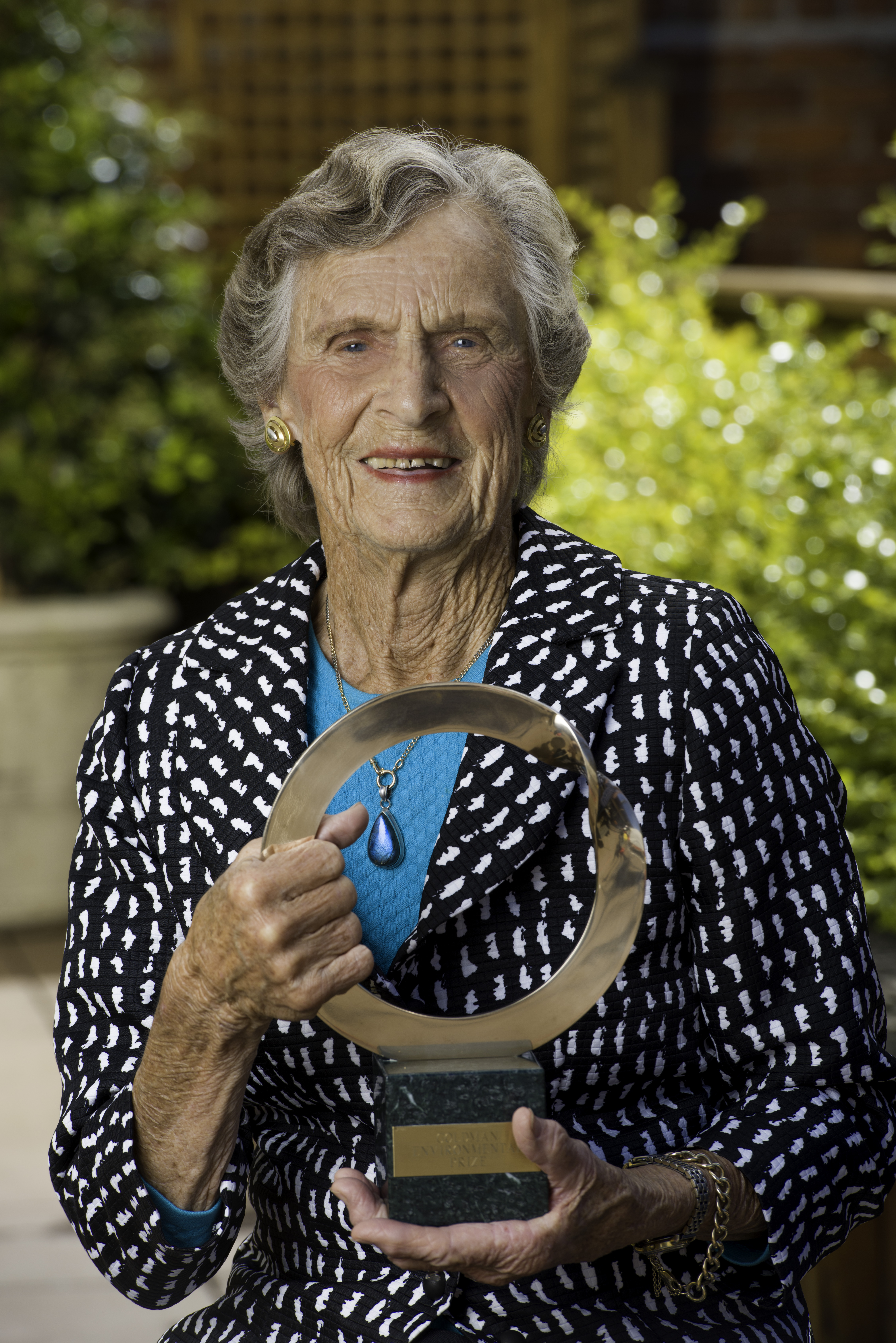
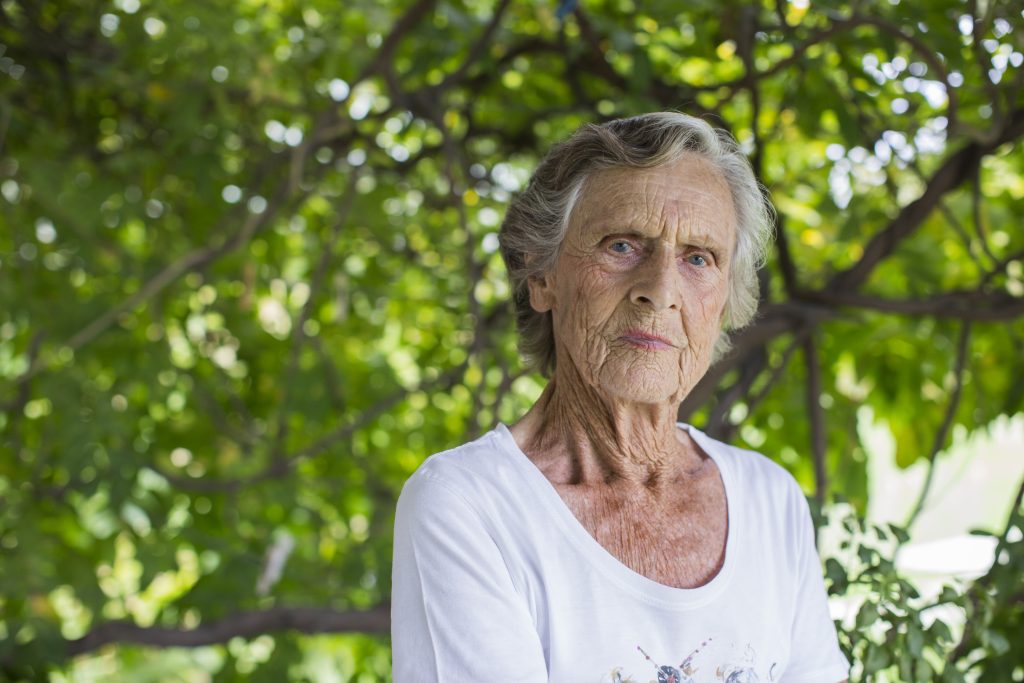
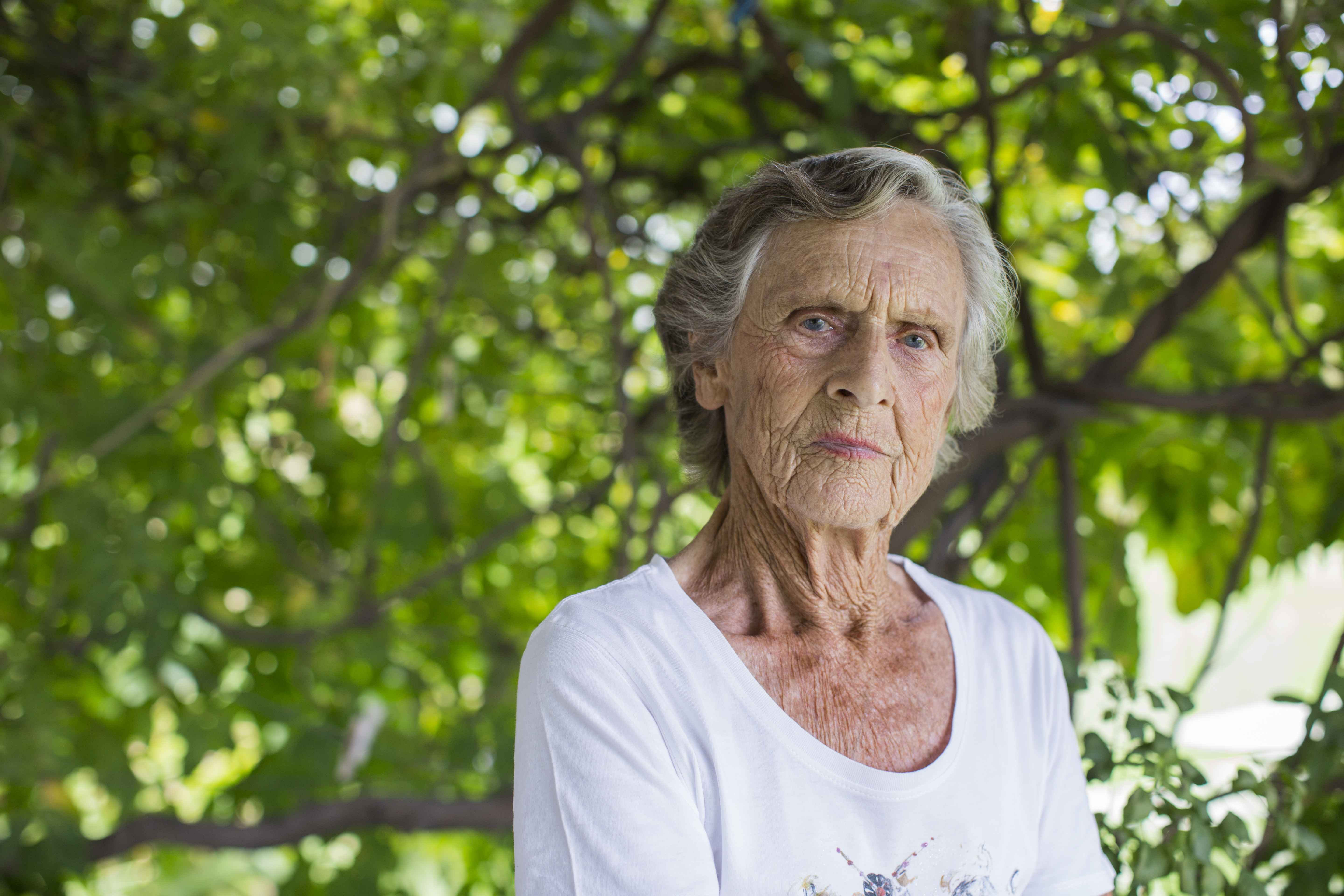
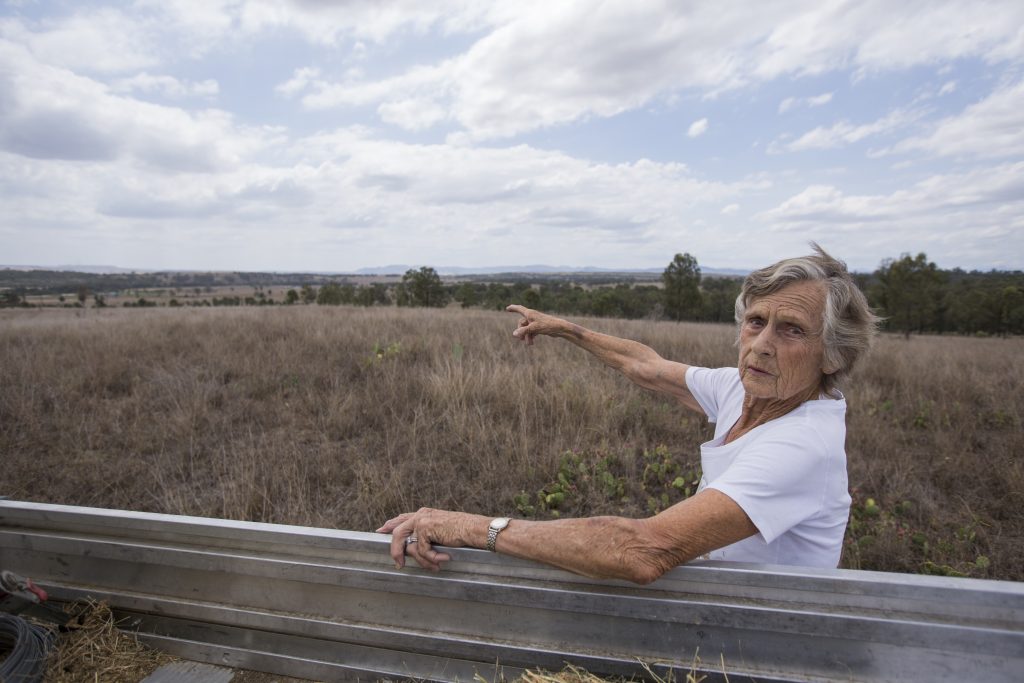
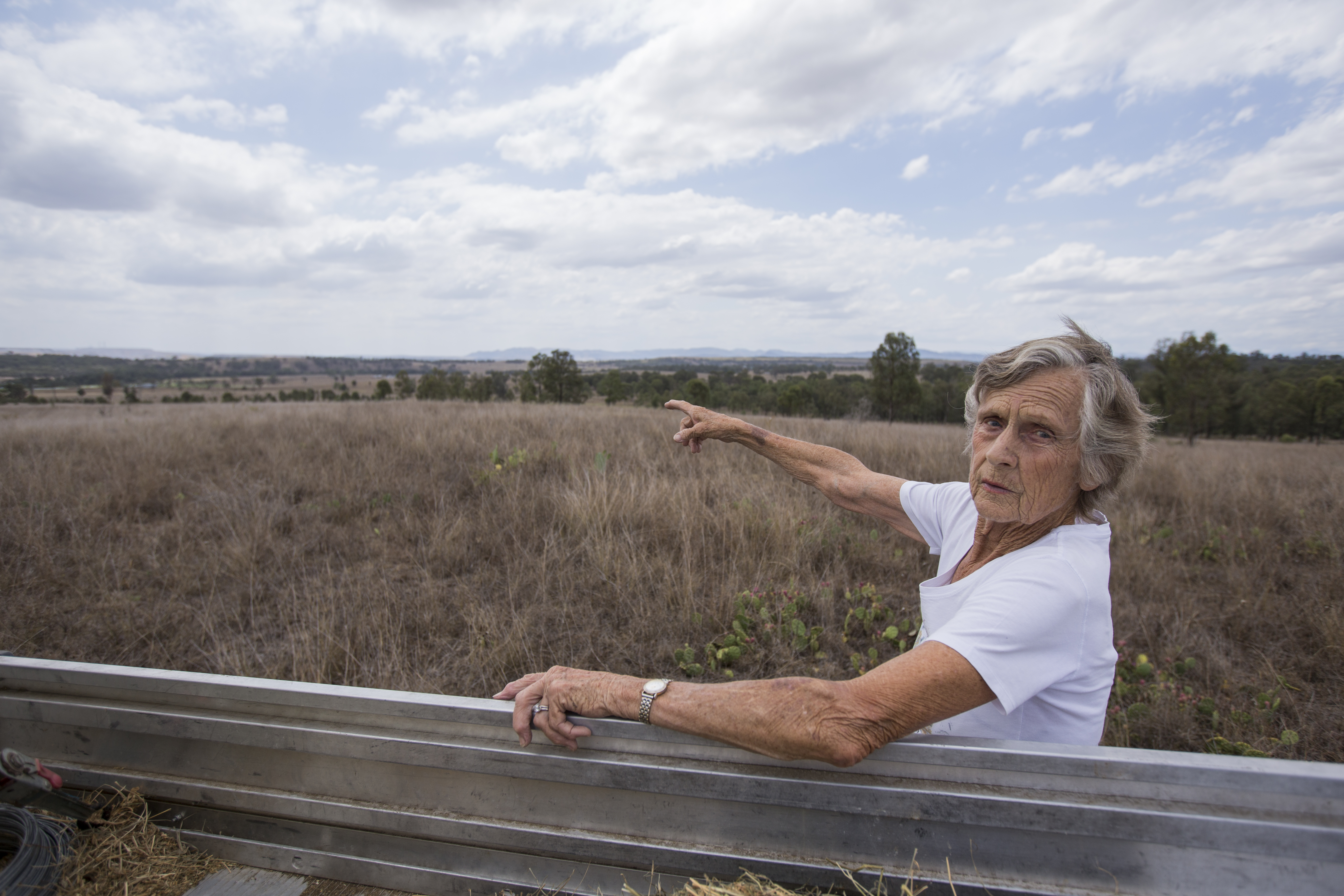
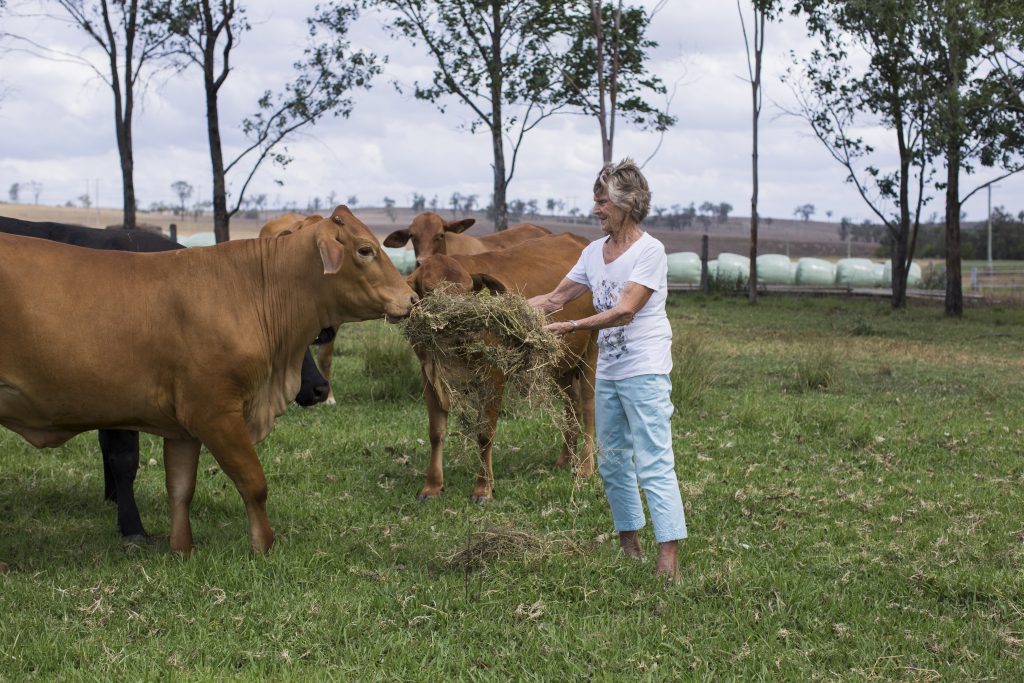
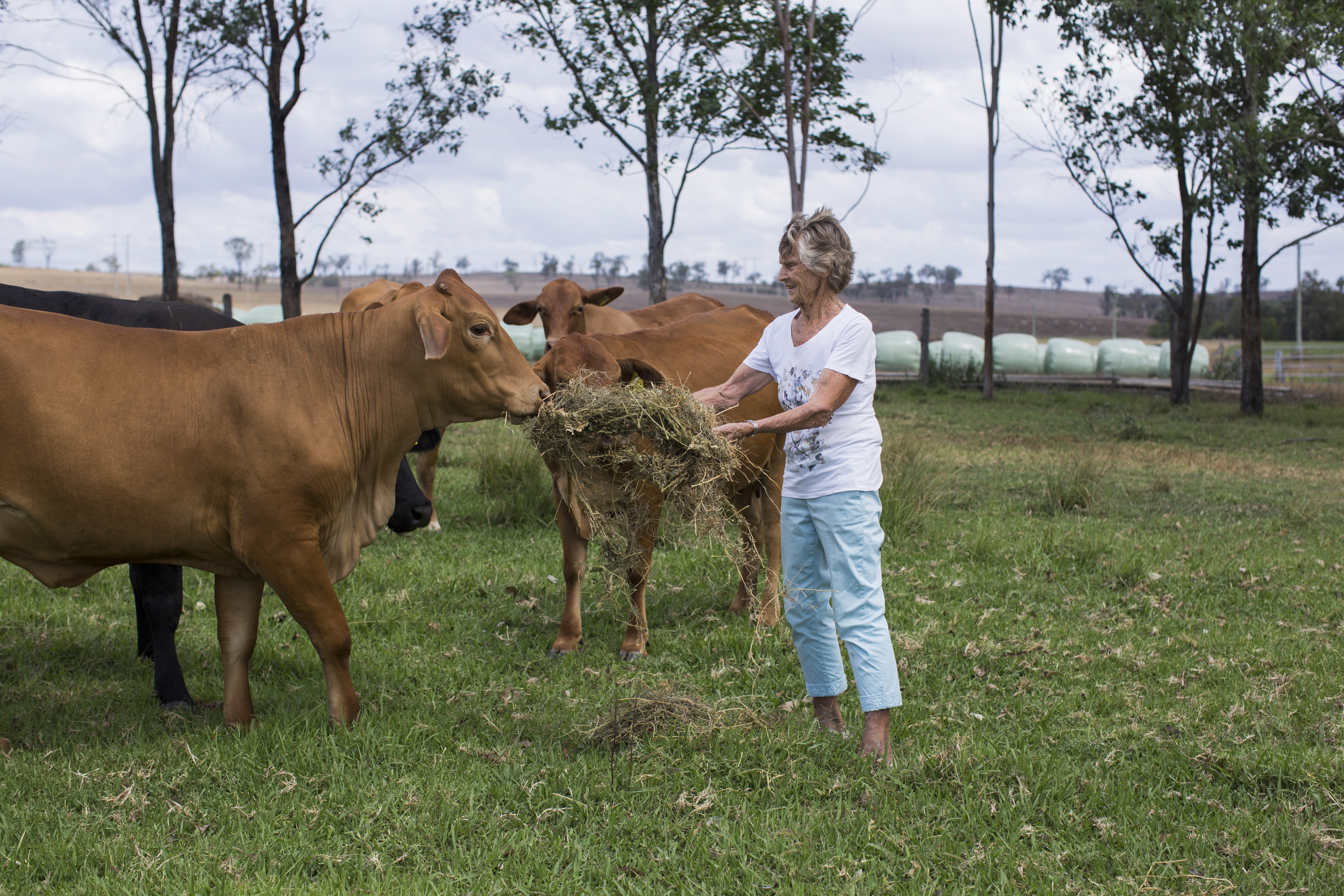
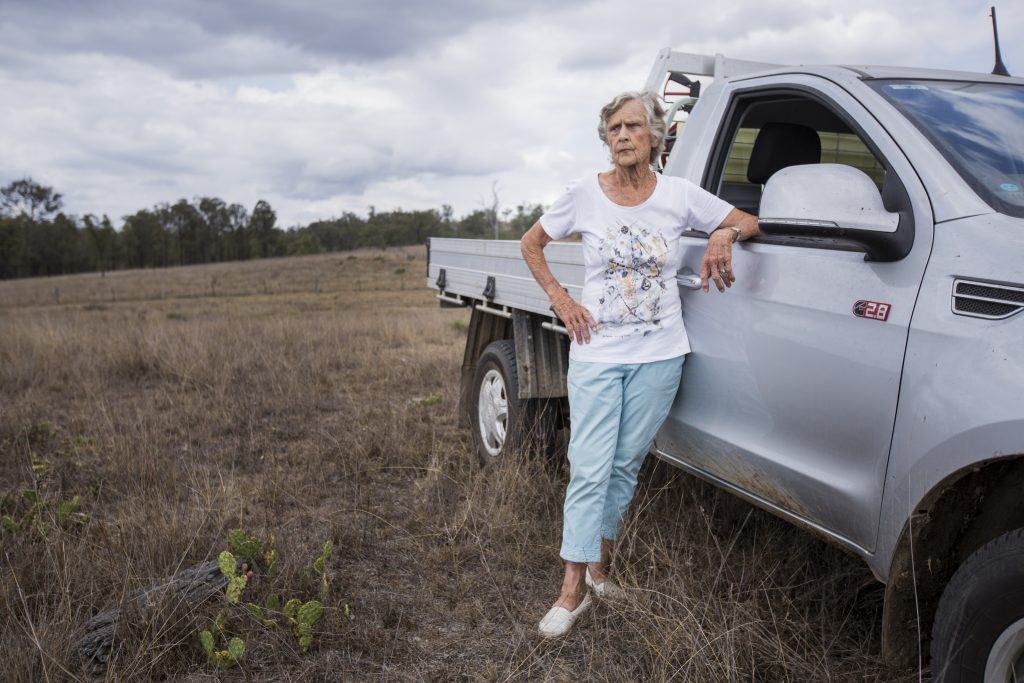
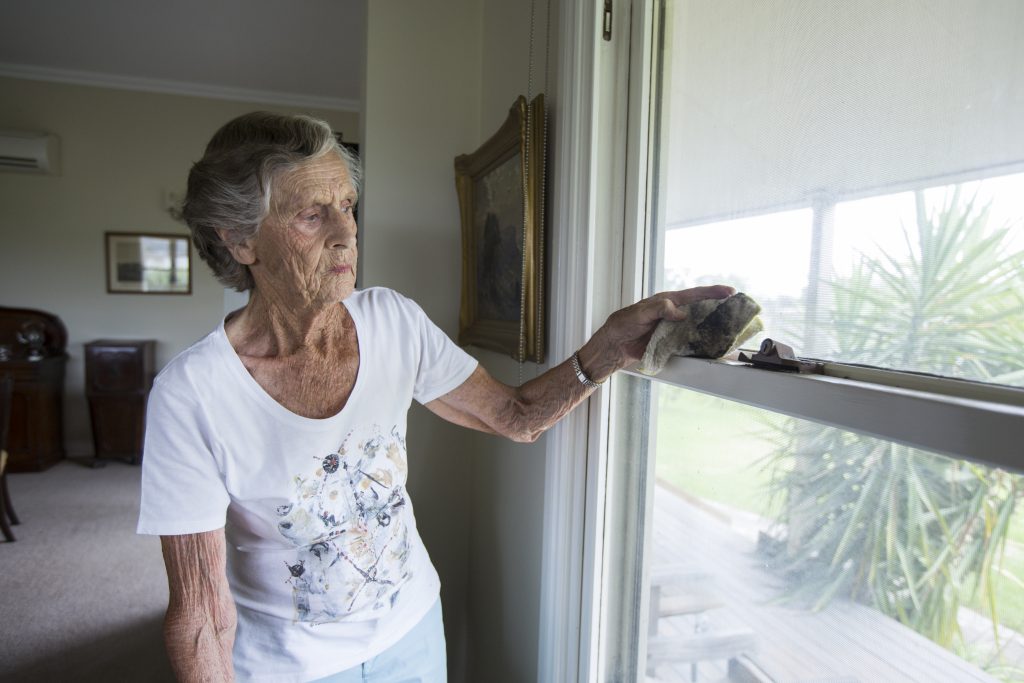
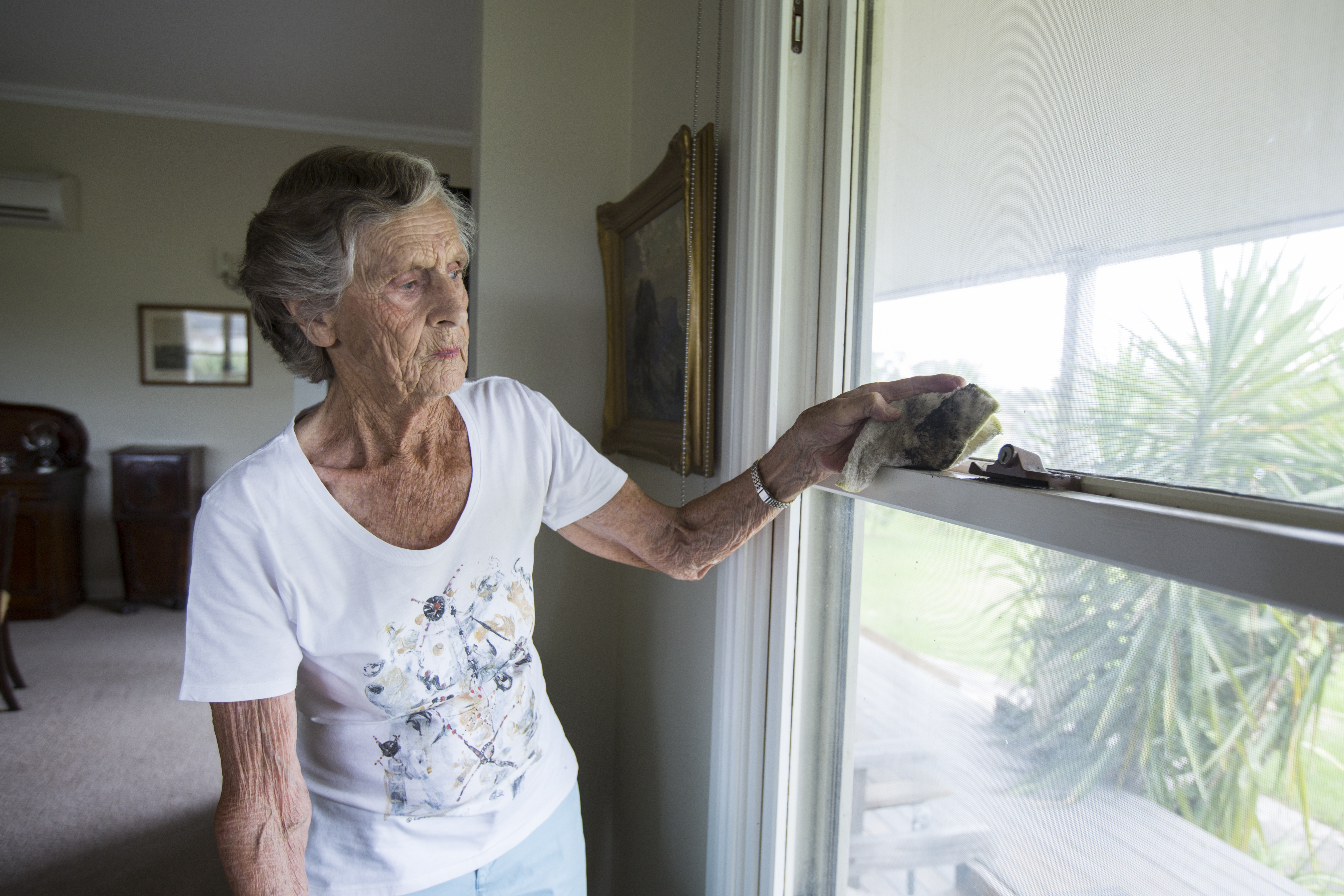
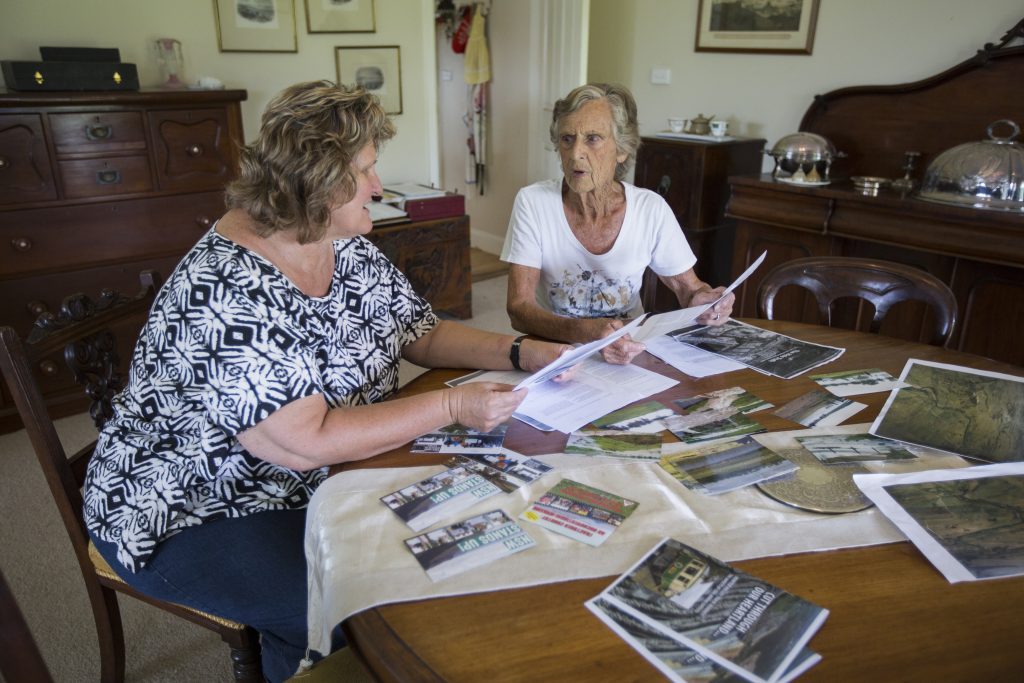
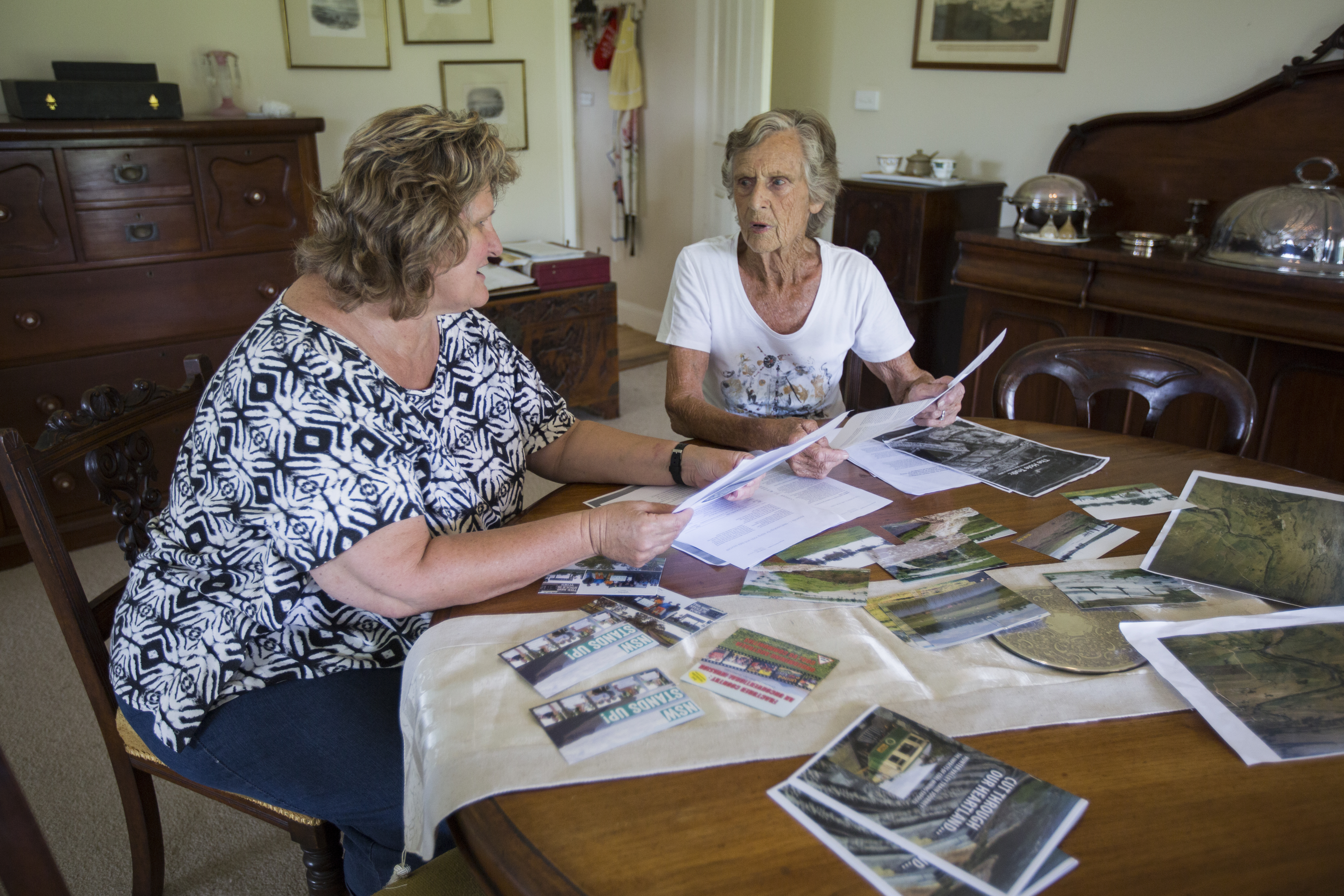
2017 Goldman Environmental Prize winner Wendy Bowman (Photo: Goldman Environmental Prize)

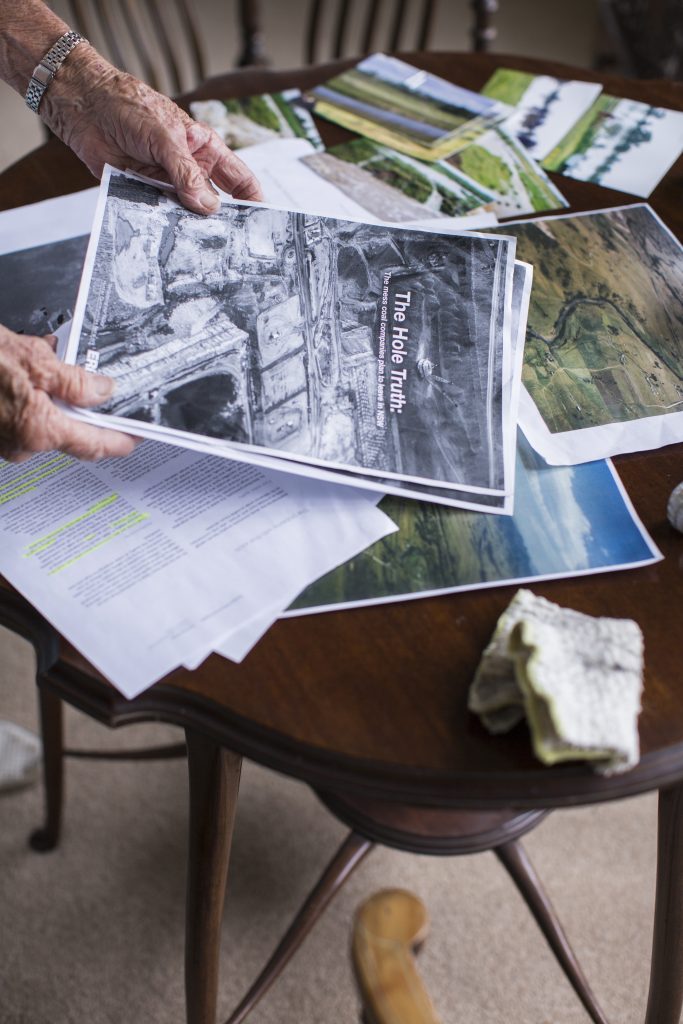
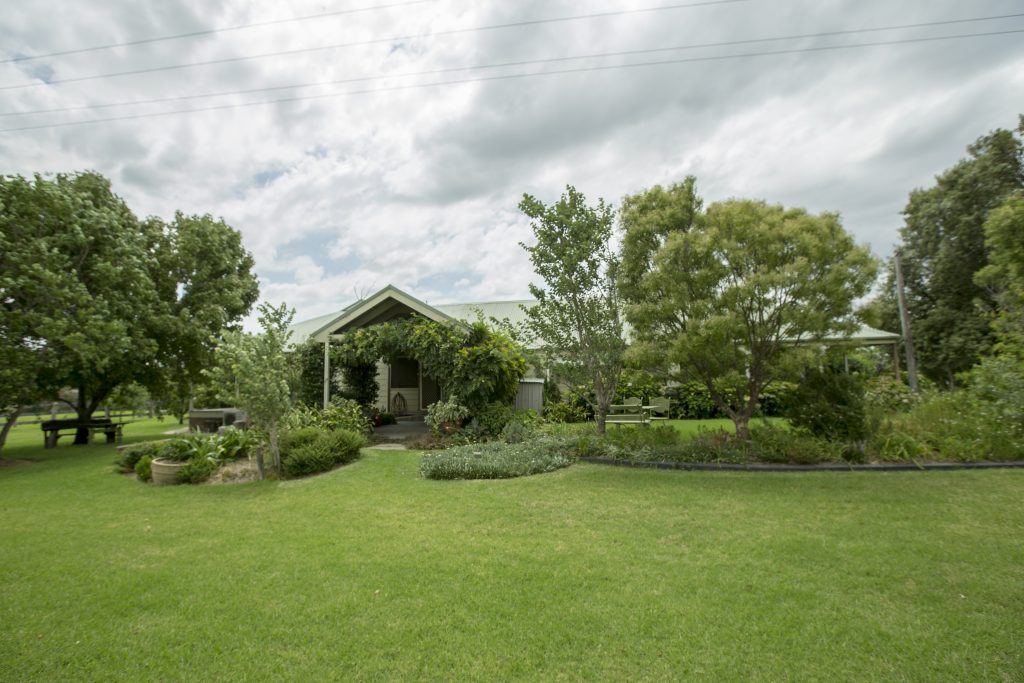
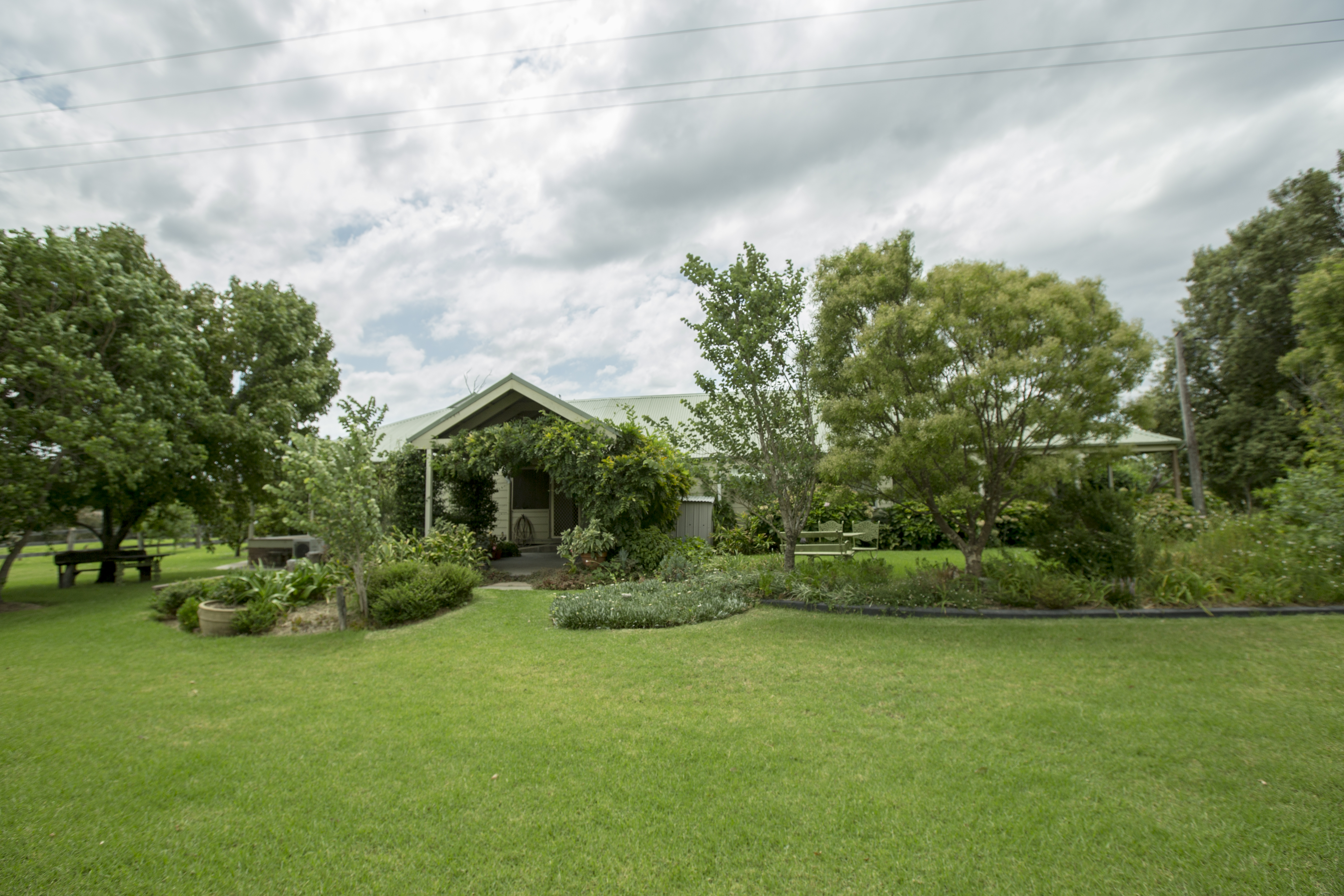
Bowman is one of the last residents left in Camberwell, a small village in Australia's Hunter Valley, New South Wales. (Photo: Goldman Environmental Prize)

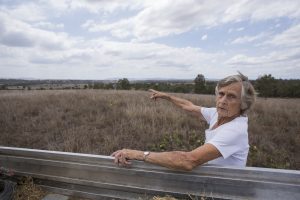
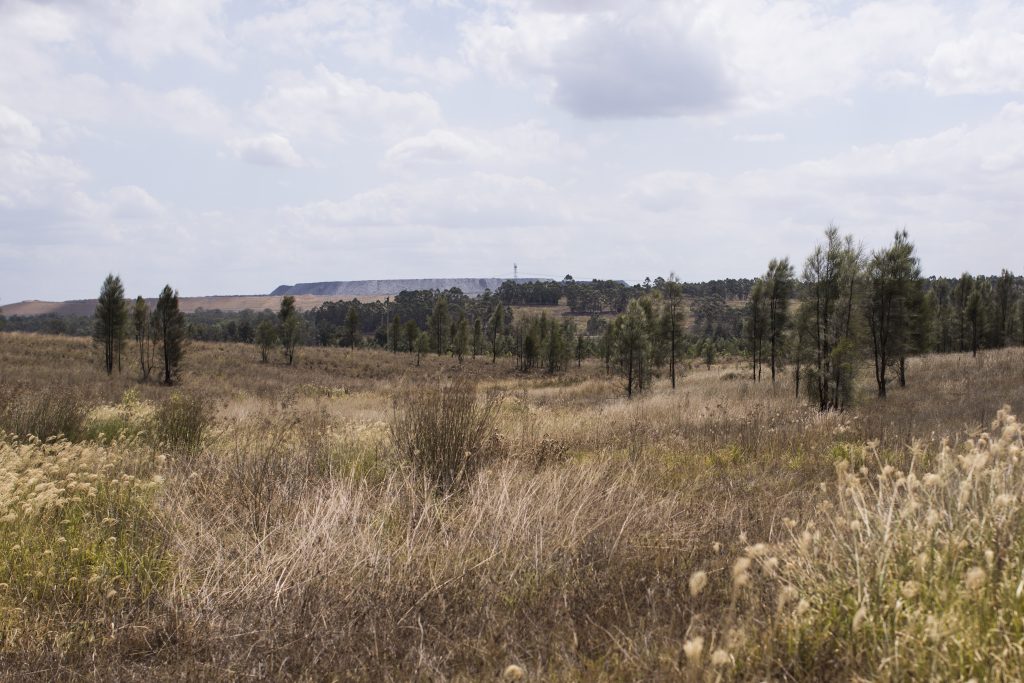
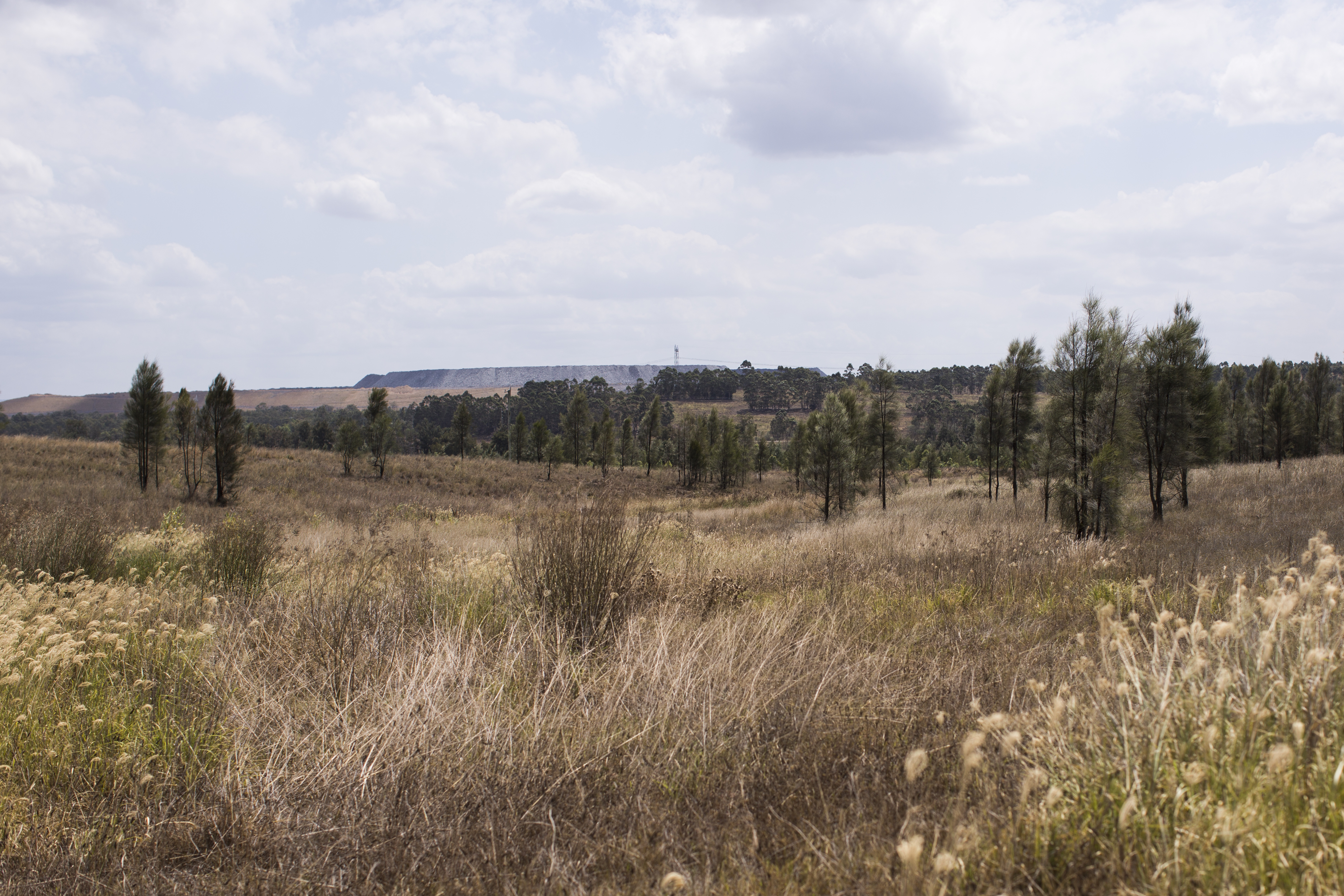
New South Wales is a region with a rich agricultural history. However, in recent years, the region's dairy farms, vineyards, and ranches have become islands surrounded by oceans of open-pit coal mines. (Photo: Goldman Environmental Prize)

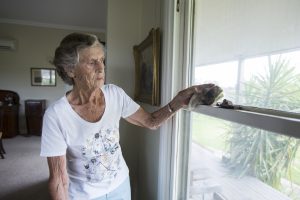
Bowman married a farmer and took over the family business after her husband’s untimely death. (Photo: Goldman Environmental Prize)

Twice displaced by coal mining, Bowman was determined to stay and protect the community’s health, land and water from further destruction. (Photo: Goldman Environmental Prize)

Hunter Valley residents live surrounded by round-the-clock blasting from nearby coal mines. (Photo: Goldman Environmental Prize)

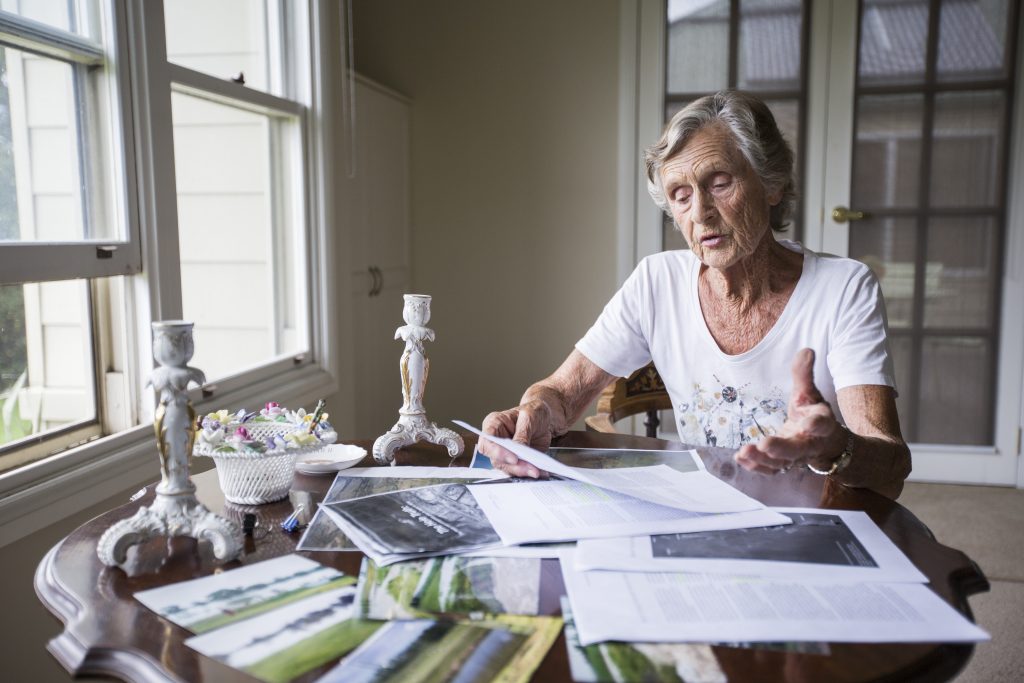
As one of the few landowners left in the area, Bowman became a key plaintiff in a public interest lawsuit to fight back Yancoal's expasion of the Ashton coal mine. (Photo: Goldman Environmental Prize)

Given that more than half of the coal for the proposed mine is under Bowman’s property, her refusal to sell was a significant factor in the case. (Photo: Goldman Environmental Prize)

Bowman remains a strong advocate for the community’s health and environment. (Photo: Goldman Environmental Prize)

Bowman has refused offers of millions from Yancoal, and is now working on a plan to have Rosedale protected in perpetuity. (Photo: Goldman Environmental Prize)

The 2017 Goldman Environmental Prize Winners

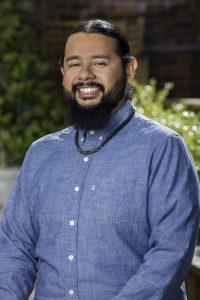
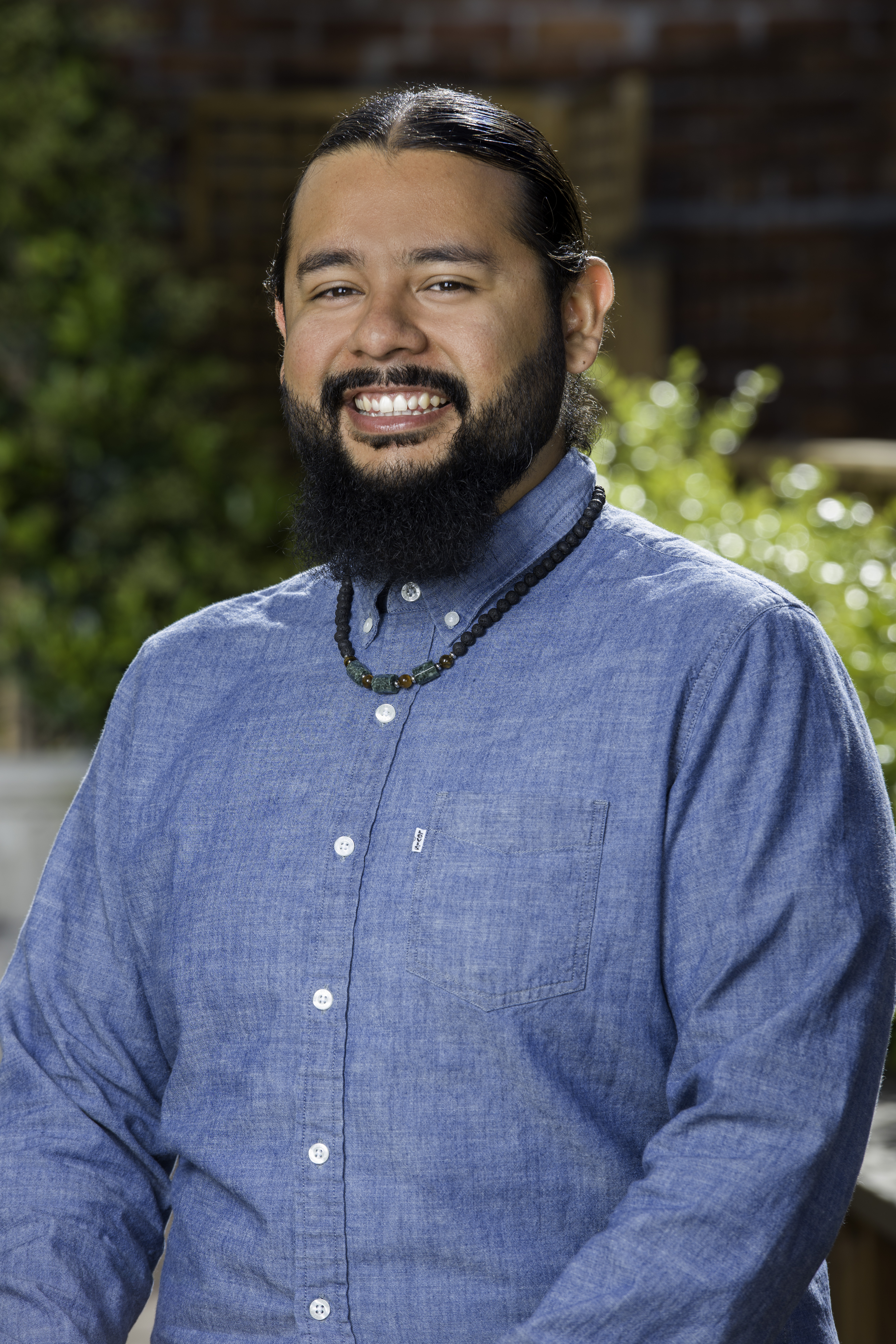
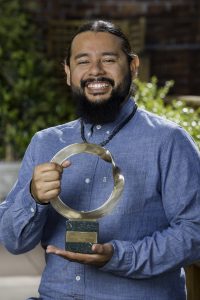
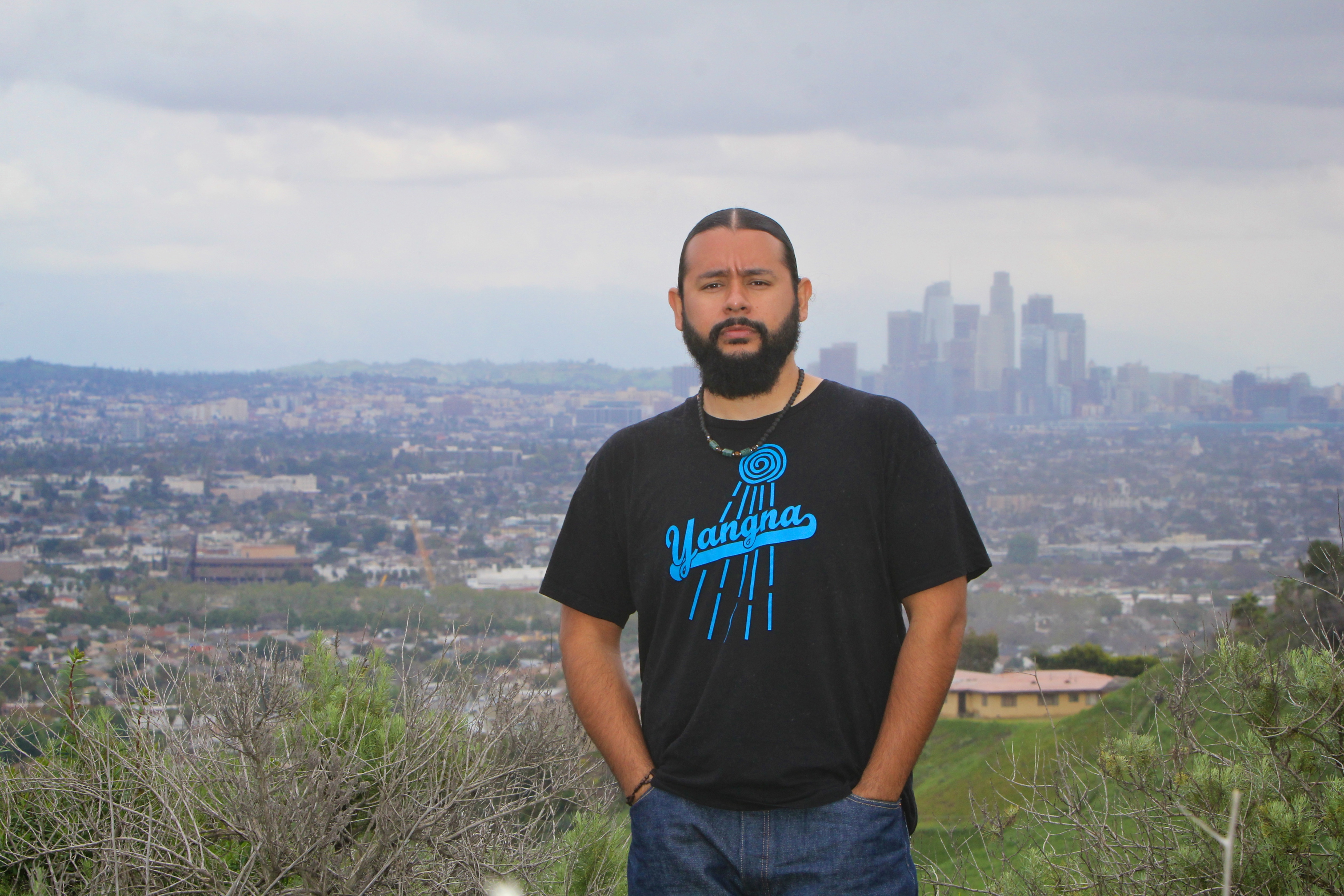
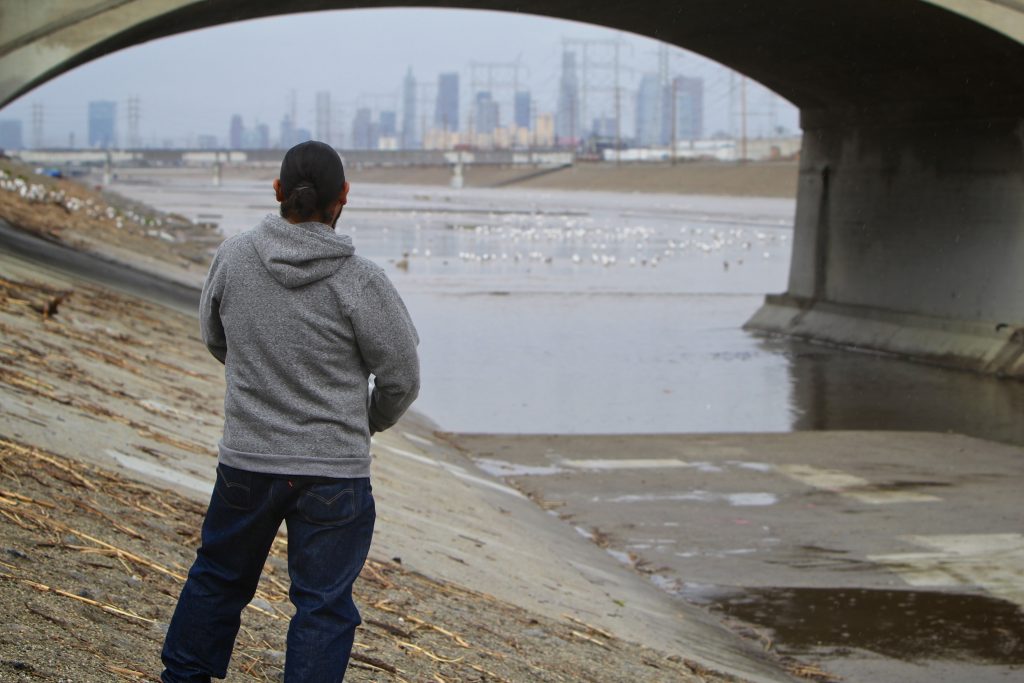
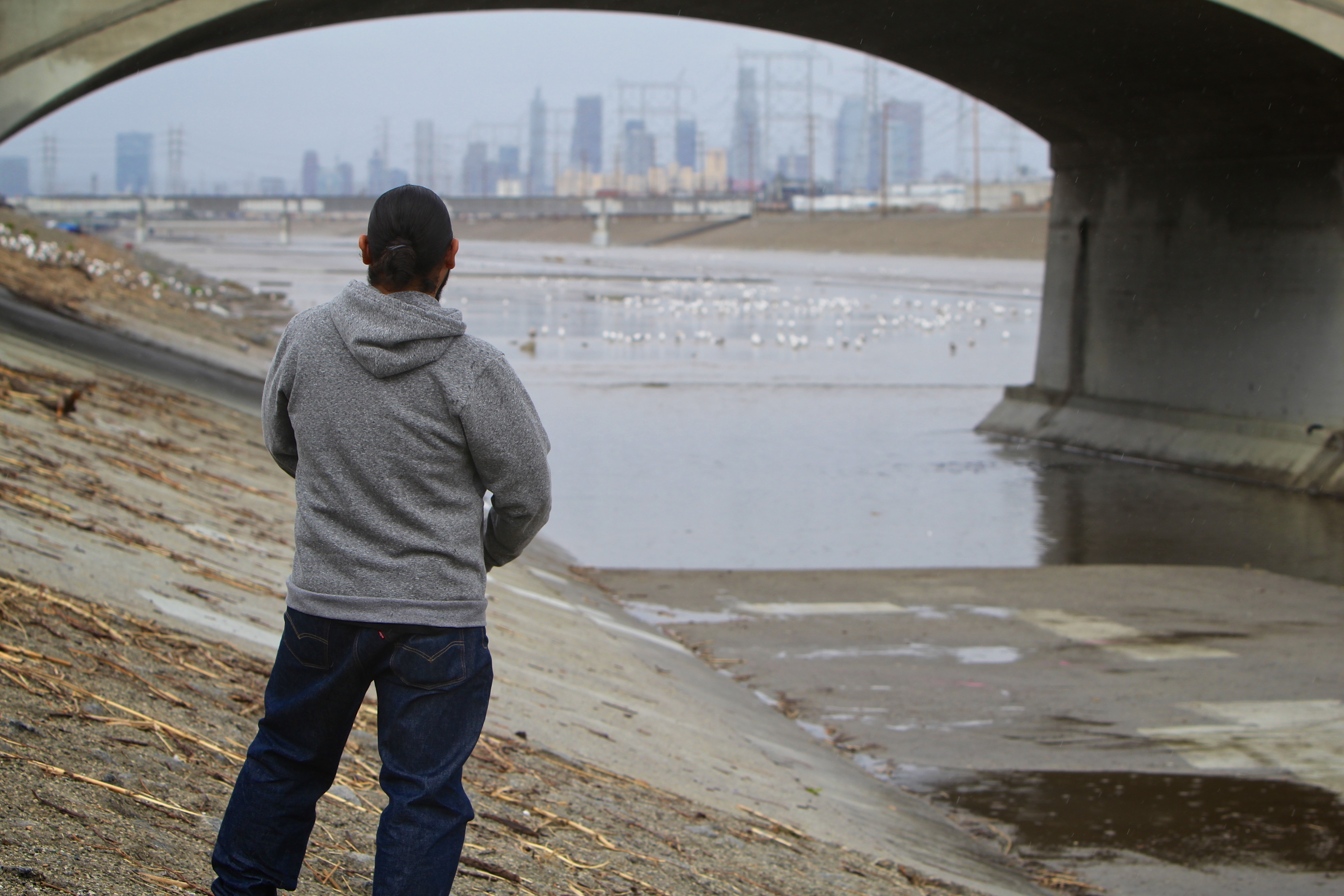
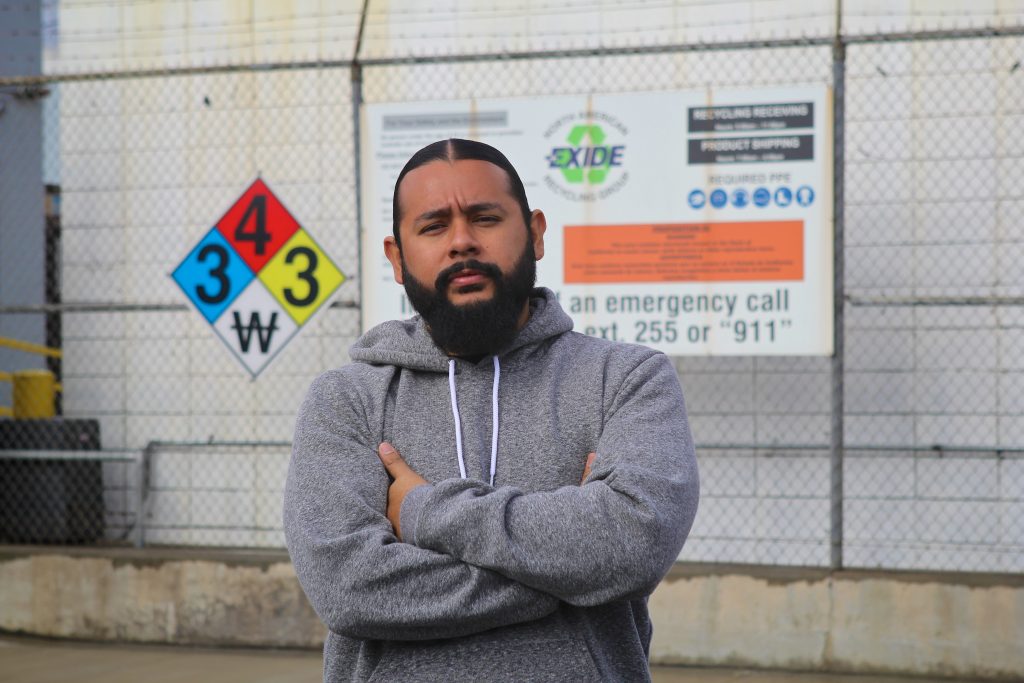
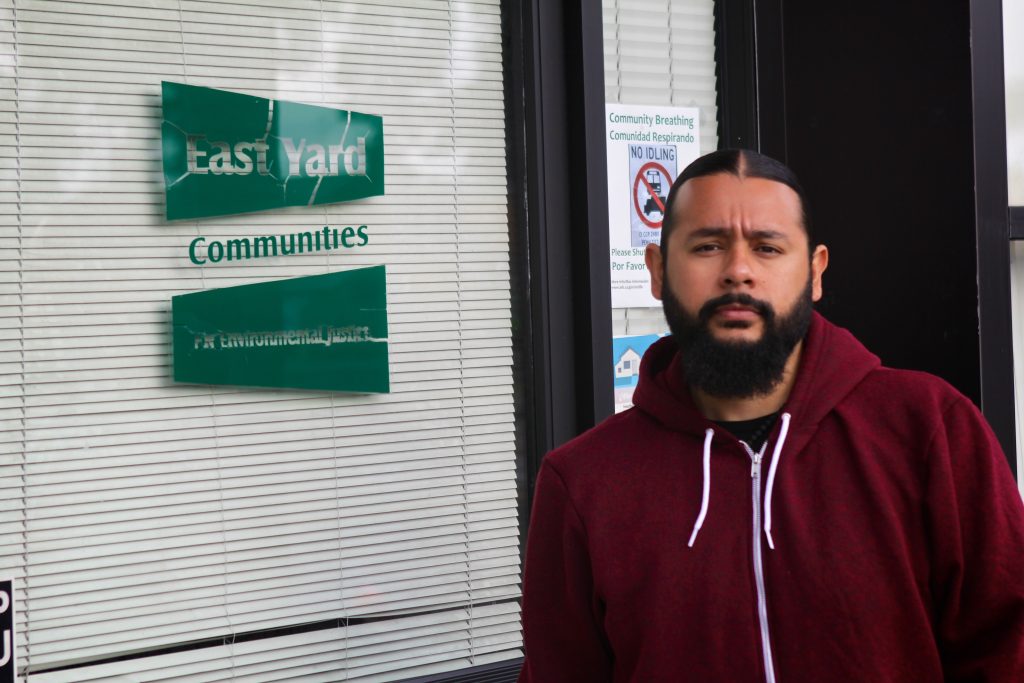
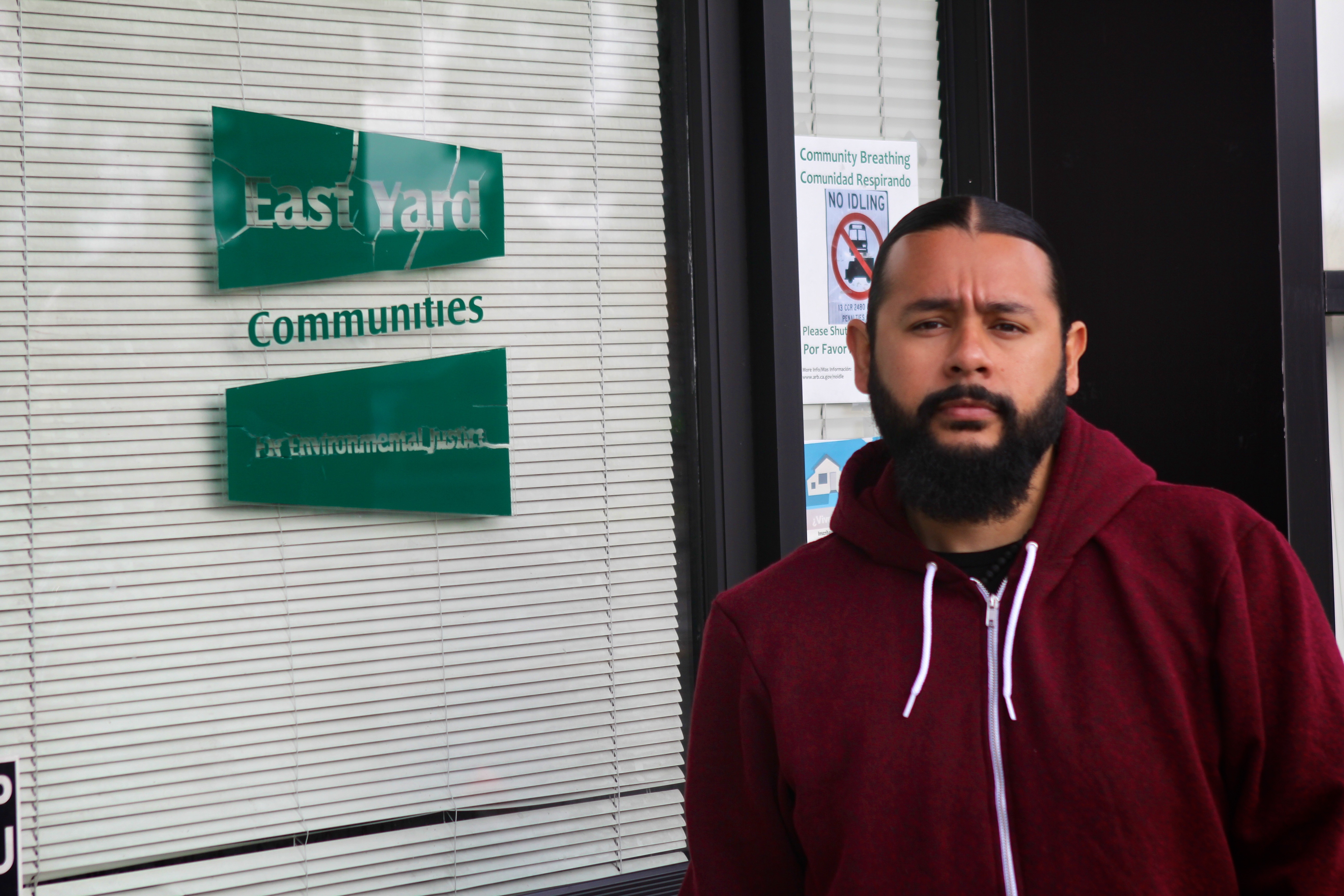
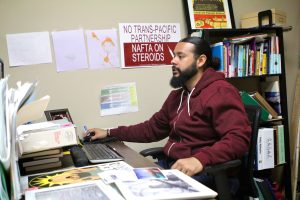
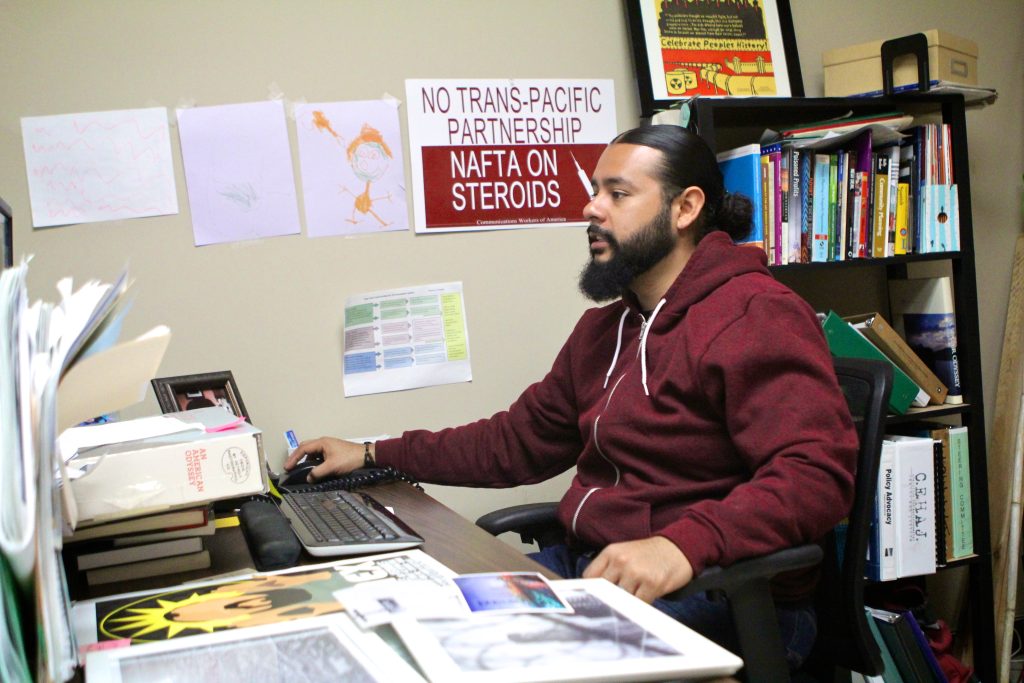
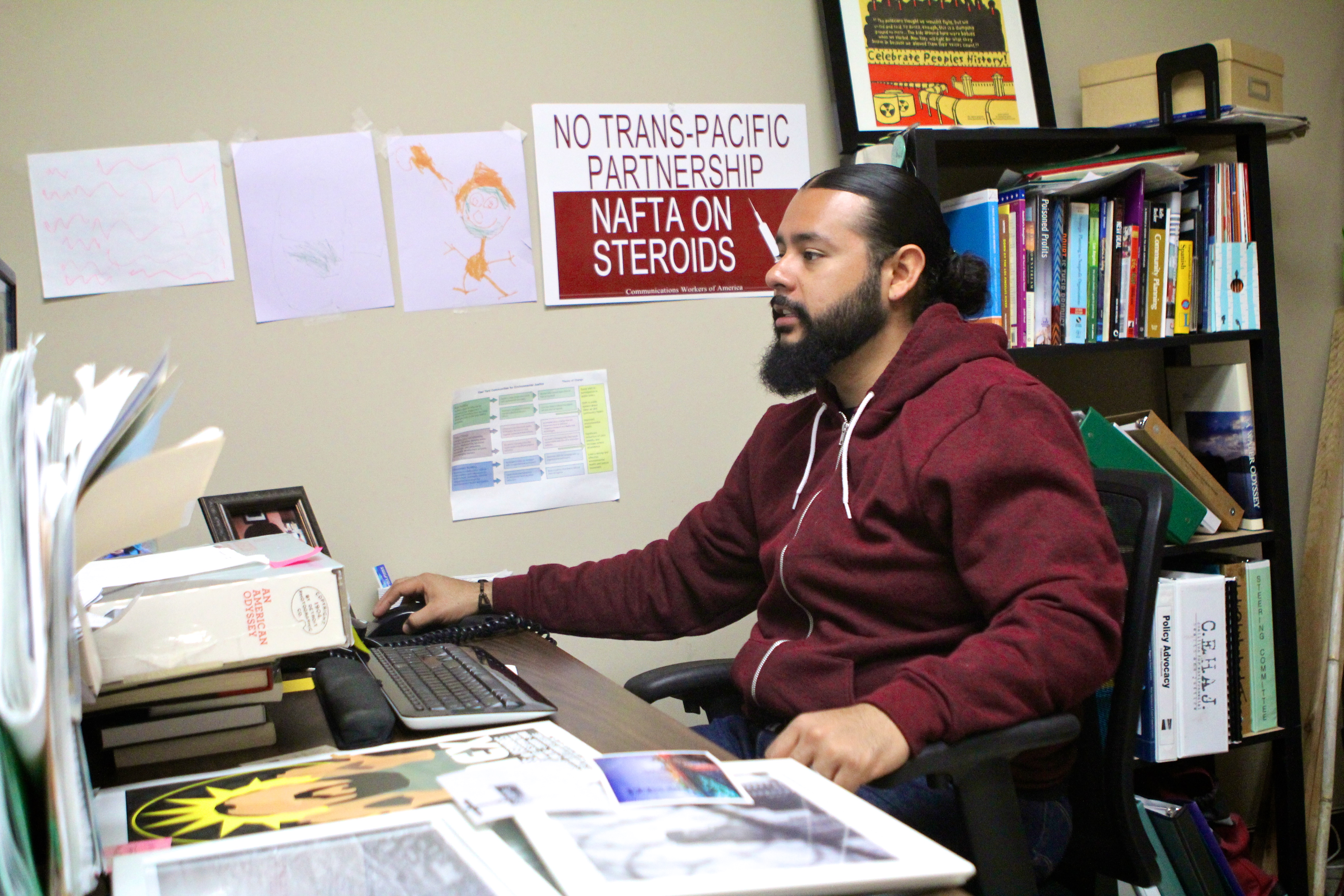
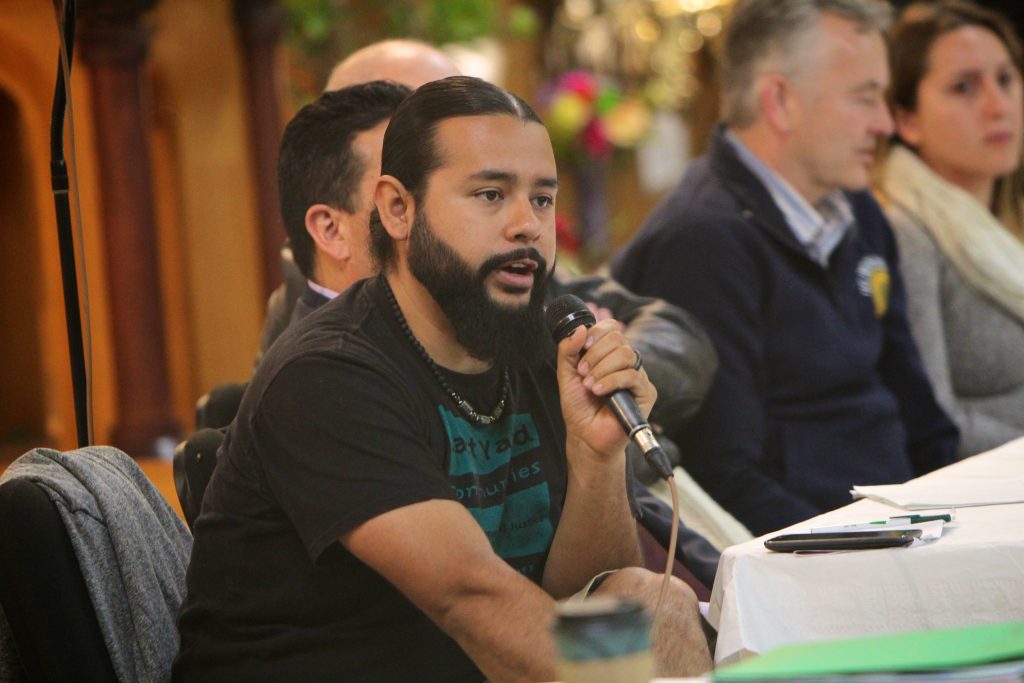
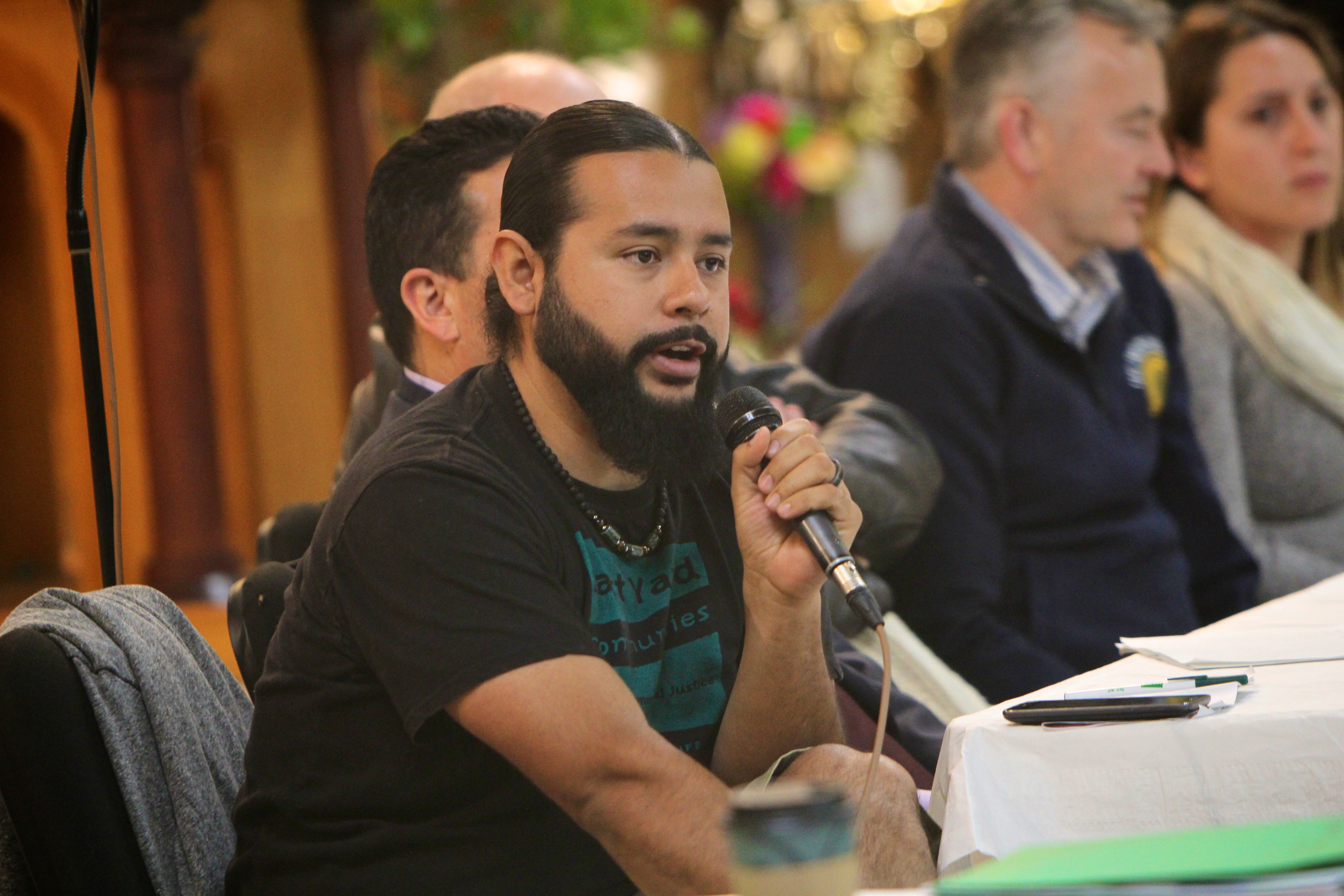
2017 Goldman Environmental Prize winner mark! Lopez (Photo: Goldman Environmental Prize)

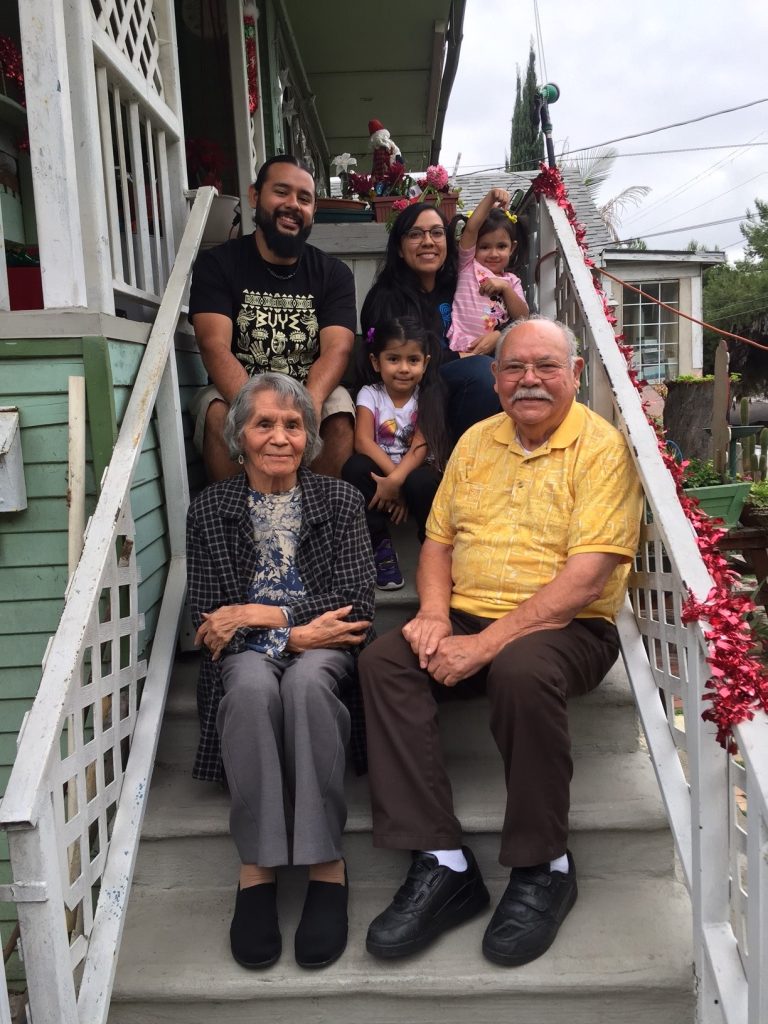
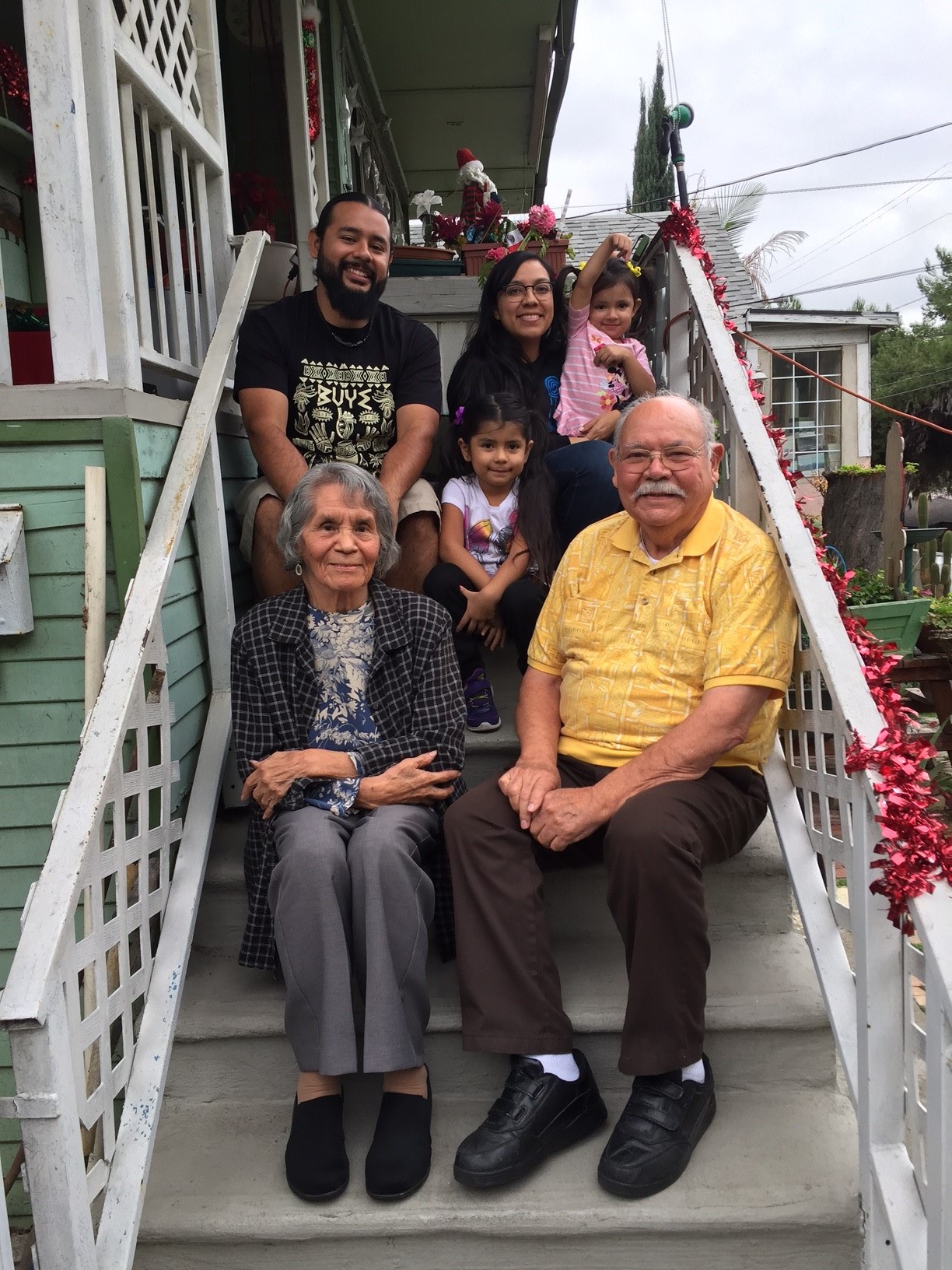
Lopez is the third generation in a family of activists. His grandparents (front row) are well-respected community activists in East Los Angeles. (Photo: Goldman Environmental Prize)

Bordered by the LA River and crisscrossed by congested freeways, LA’s Eastside is home to the densest population of working-class Latino communities in the country. (Photo: Goldman Environmental Prize)

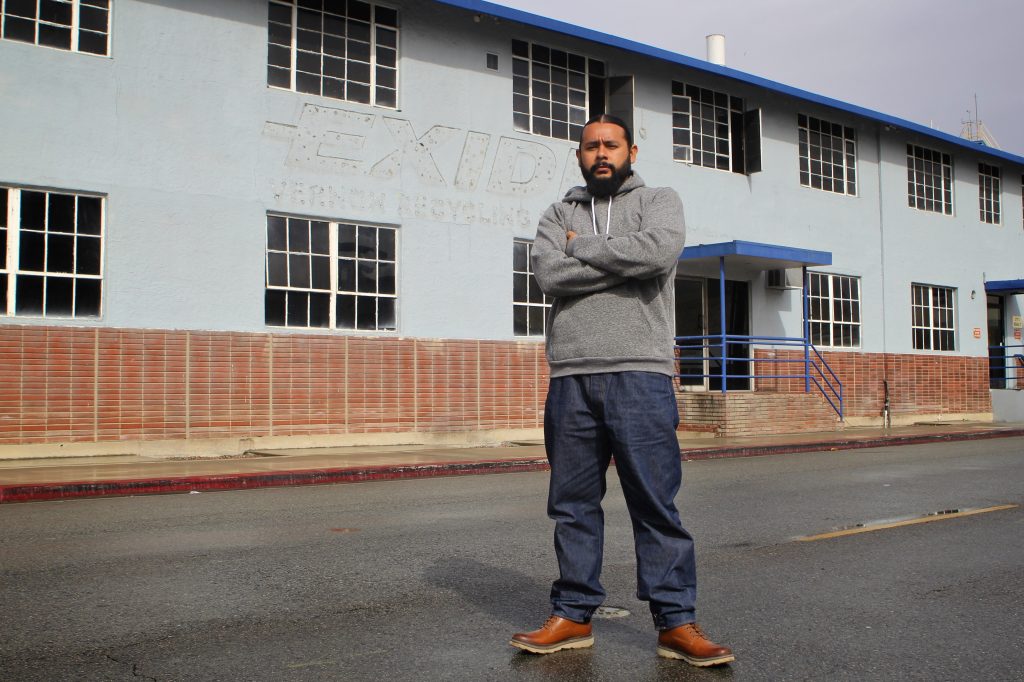
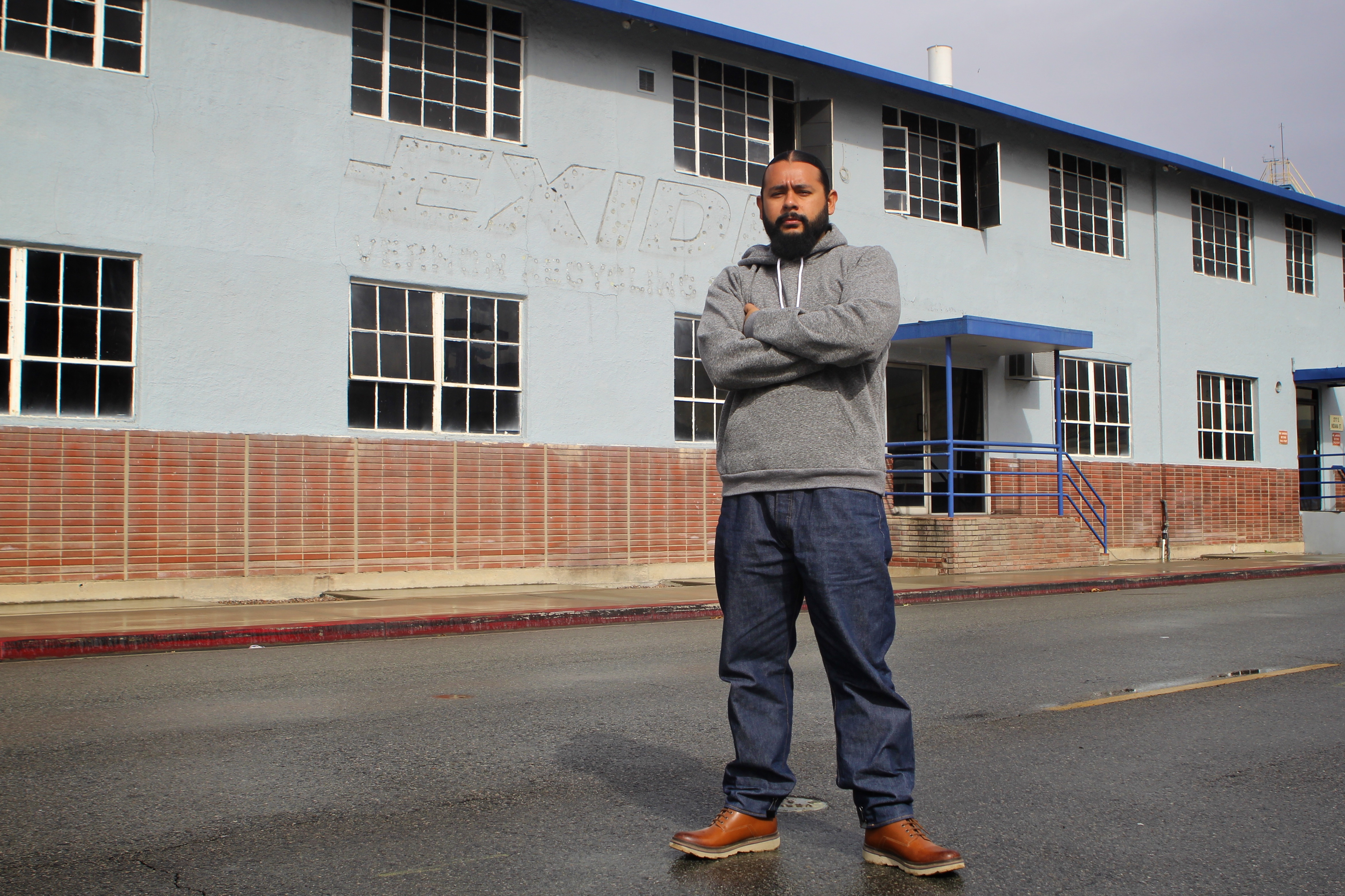
In 2000, Georgia-based Exide took over an aging battery recycling plant in Vernon. The smelter had been in operation since 1922 with minimal updates and repairs. (Photo: Goldman Environmental Prize)

Lopez and his team at East Yard Communities for Environmental Justice led a community outreach campaign to inform residents about the dangers of lead contamination. (Photo: Goldman Environmental Prize)

A test of 200 homes found that all but three of the sampled homes required lead cleanup, a strong indication that the testing area needed to be expanded. (Photo: Goldman Environmental Prize)

Following a federal investigation about its operations, Exide agreed to shut down the plant in March 2015. (Photo: Goldman Environmental Prize)

To secure funds to comprehensively test and clean up the contaminated homes, Lopez turned his attention to Sacramento. (Photo: Goldman Environmental Prize)

Lopez boldly called out state leaders’ sluggish response to the Exide cleanup, a sharp contrast to their swift reaction to the Porter Ranch gas leak. (Photo: Goldman Environmental Prize)

Despite their initial fears about lead, residents grew to trust Lopez, who shared their dreams—and fears—about raising their families in the Eastside. (Photo: Goldman Environmental Prize)

The 2017 Goldman Environmental Prize Winners

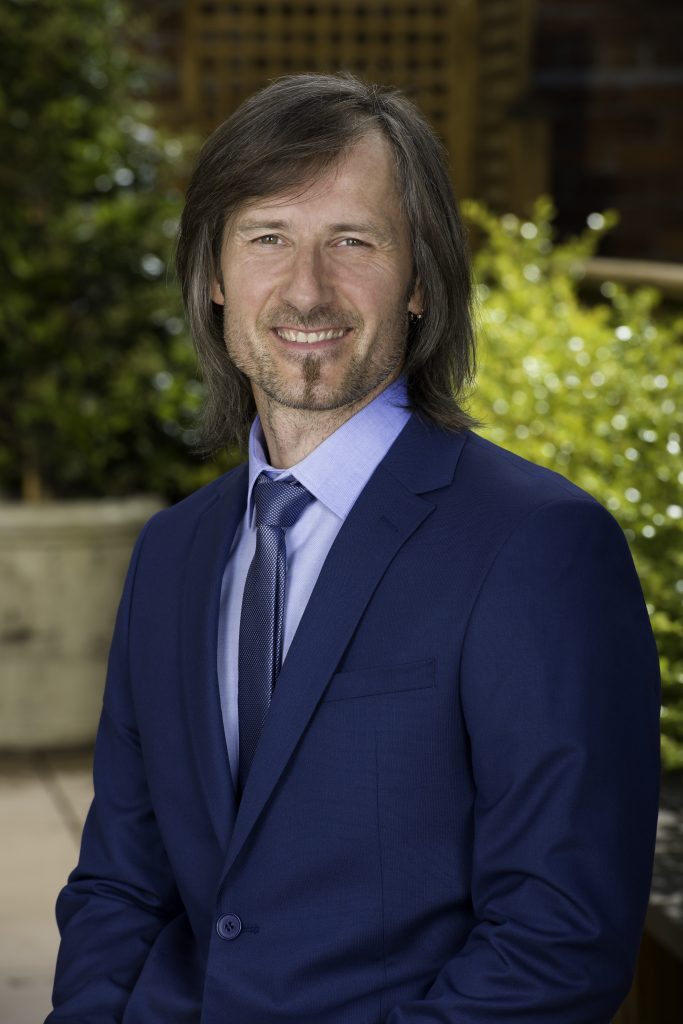
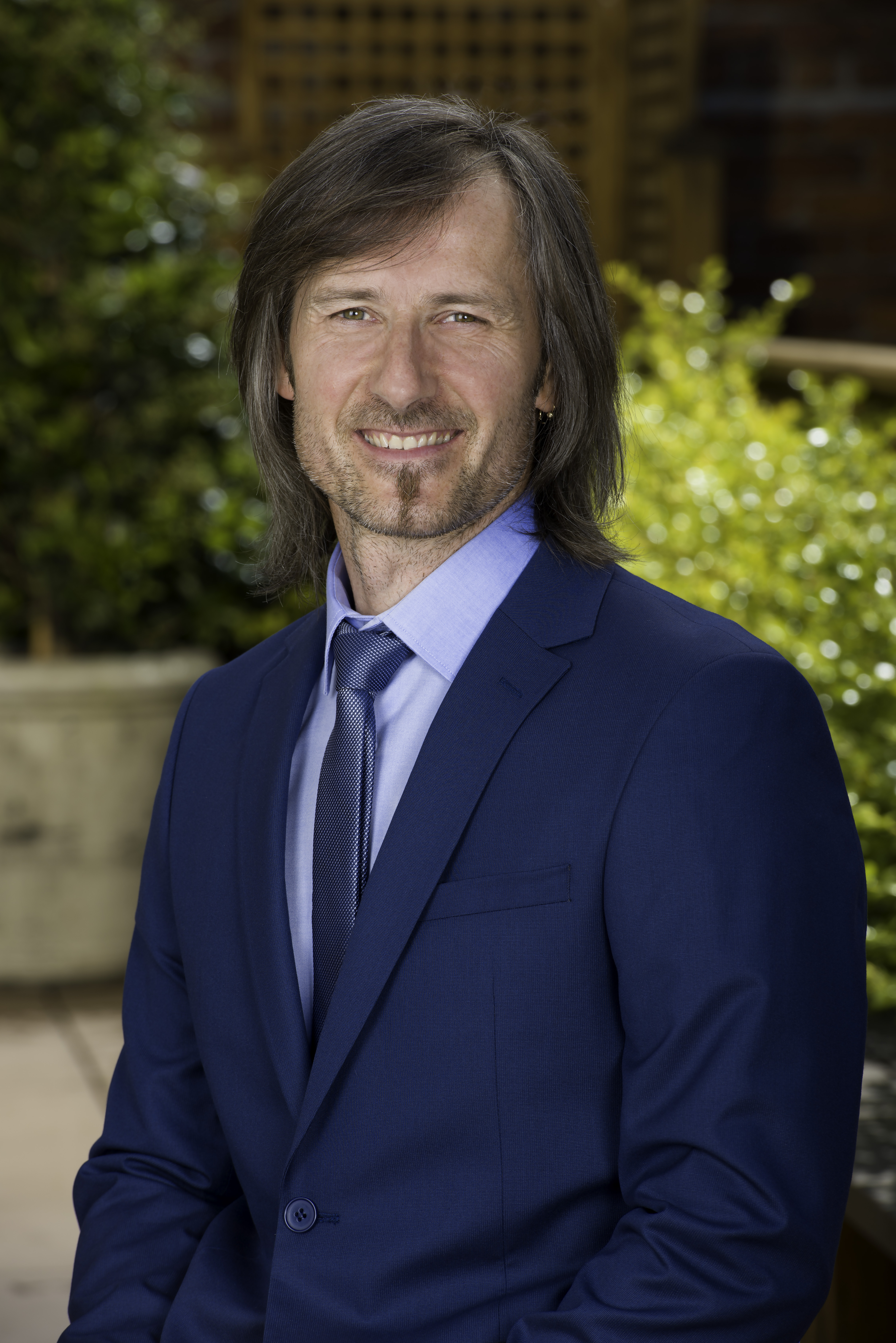
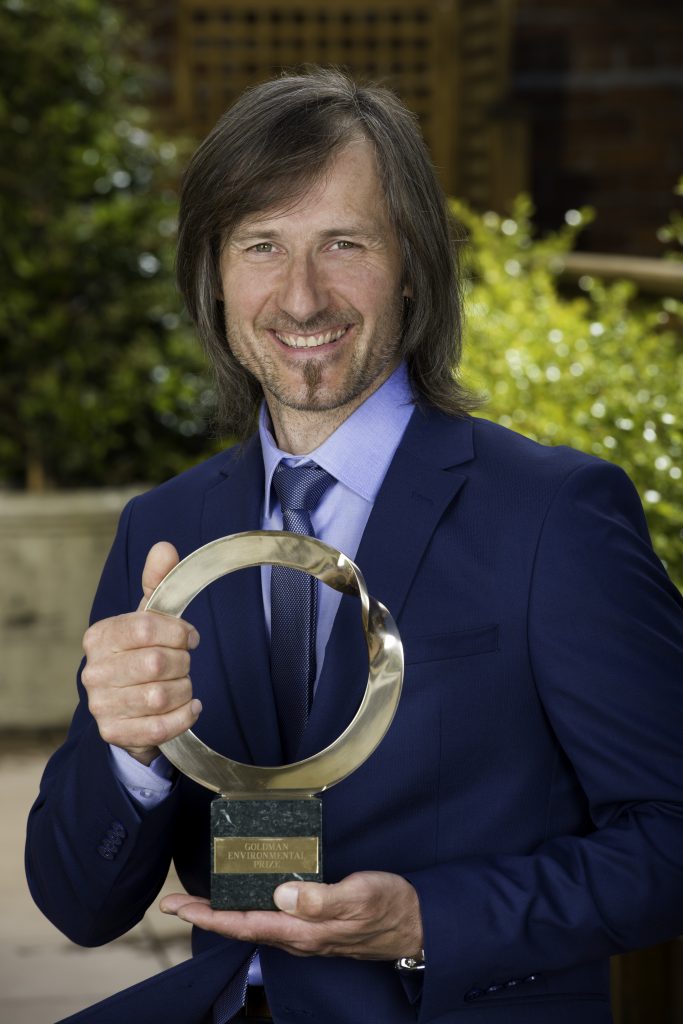
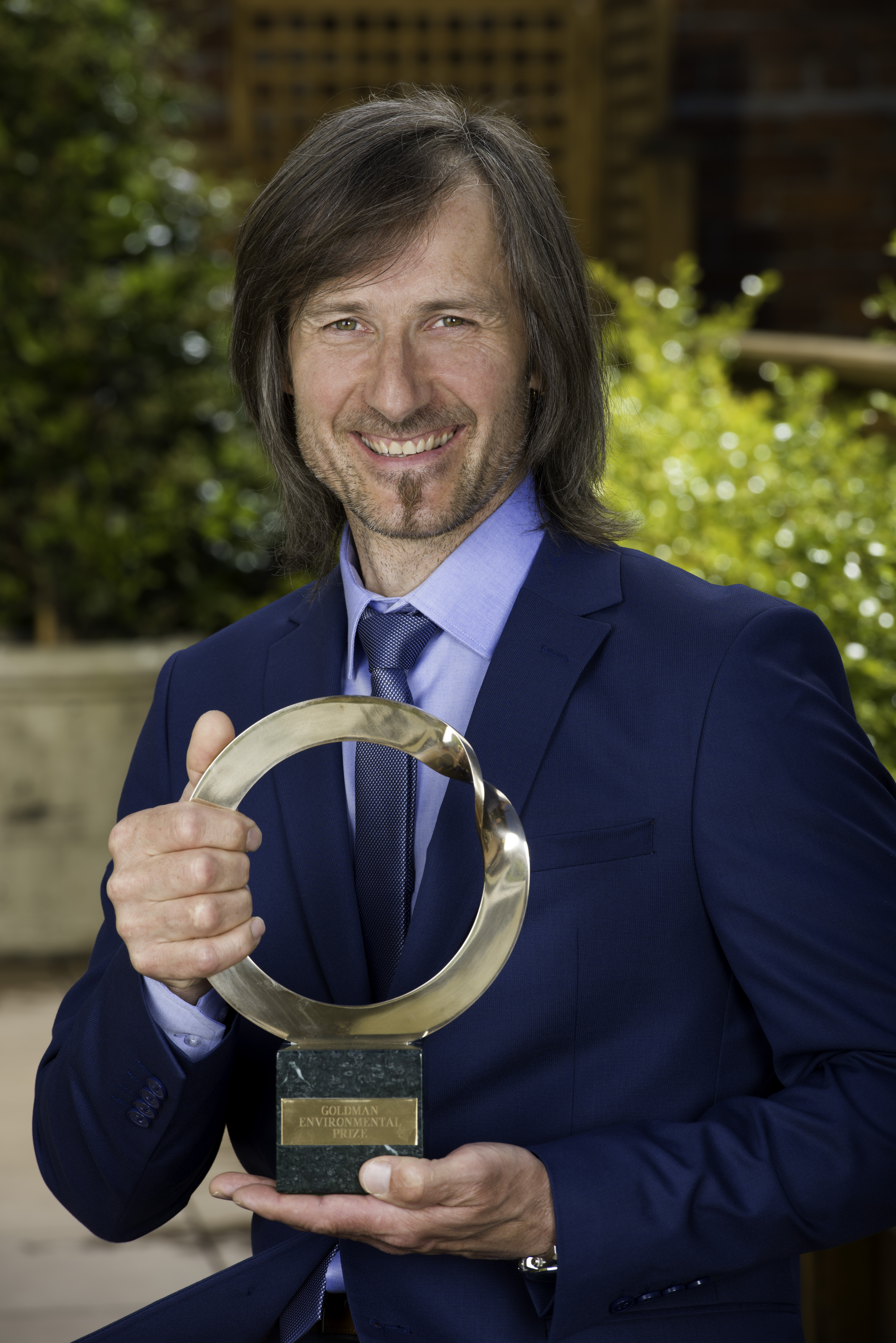
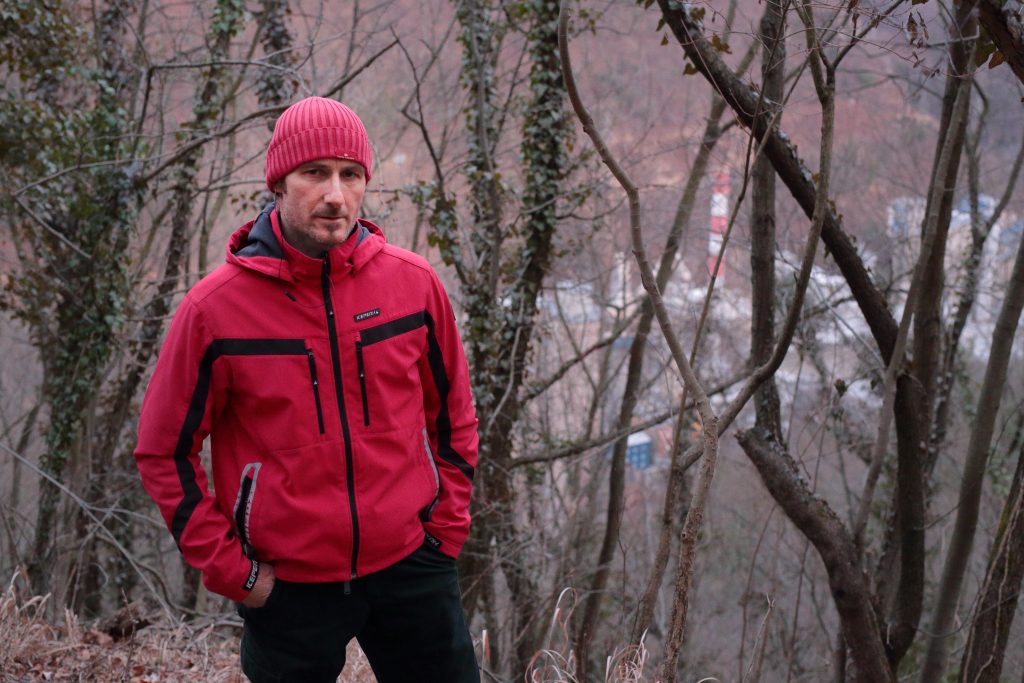
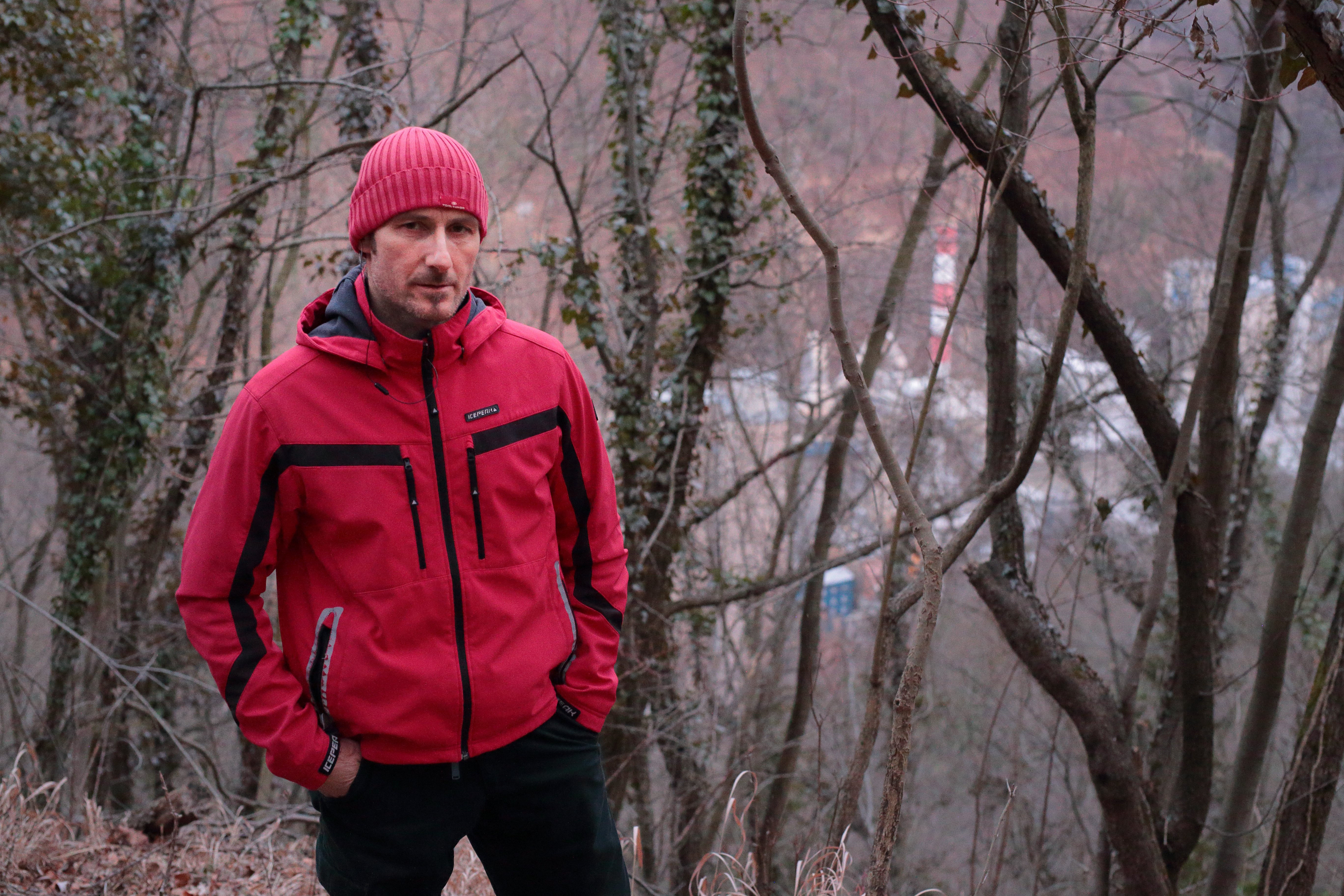
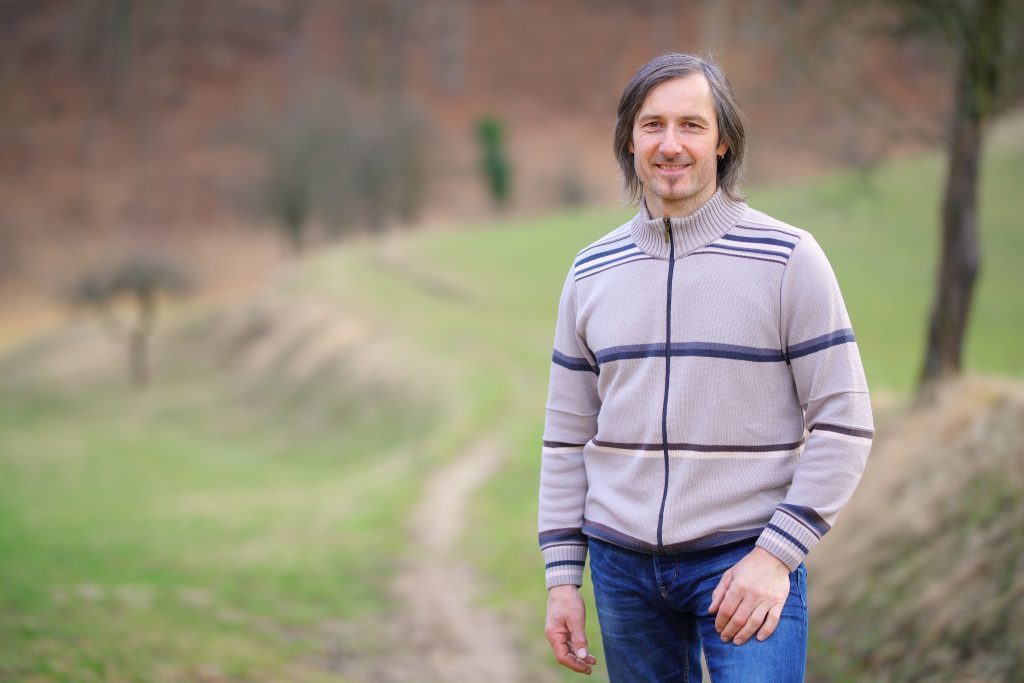
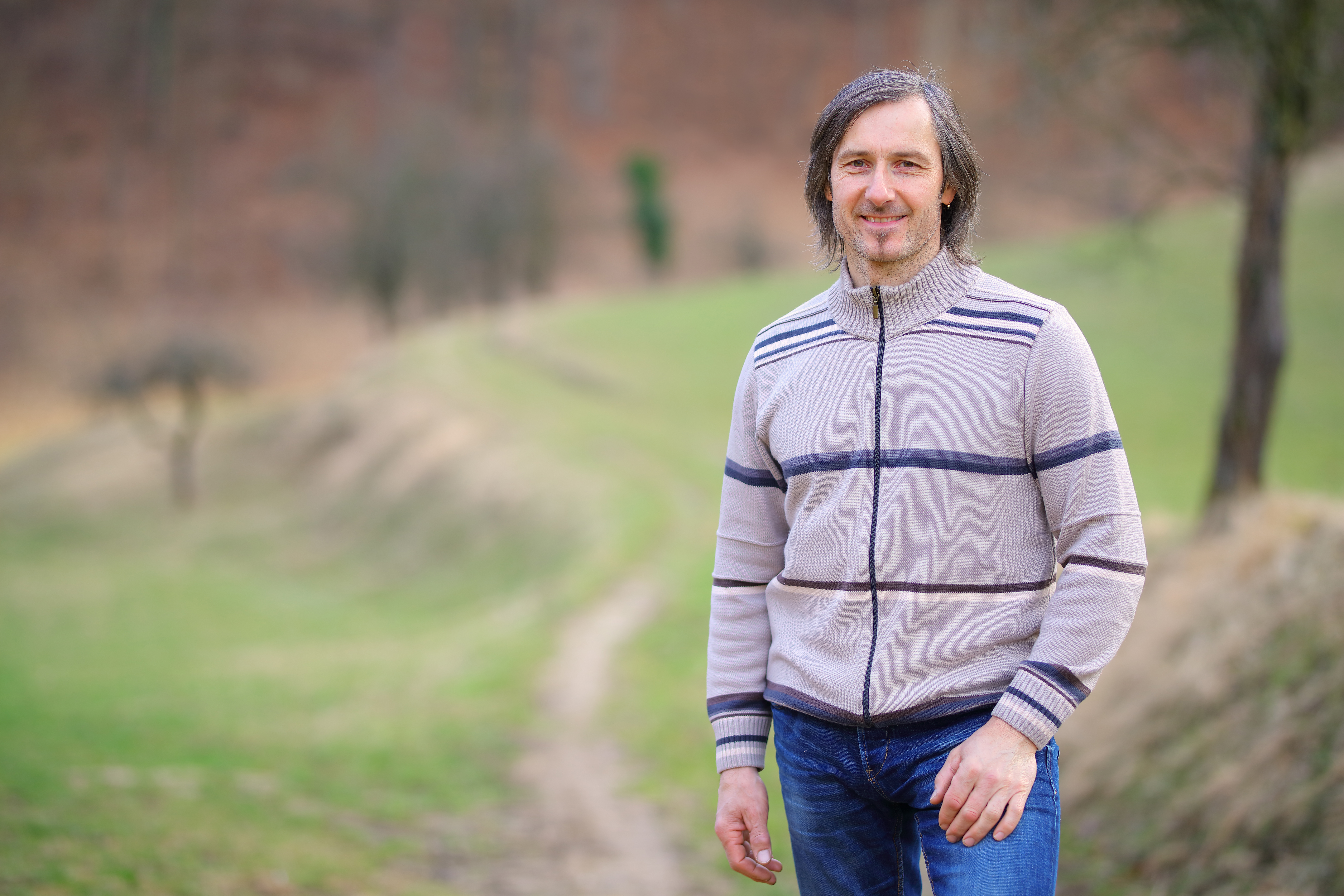
2017 Goldman Environmental Prize winner Uroš Macerl (Photo: Goldman Environmental Prize)

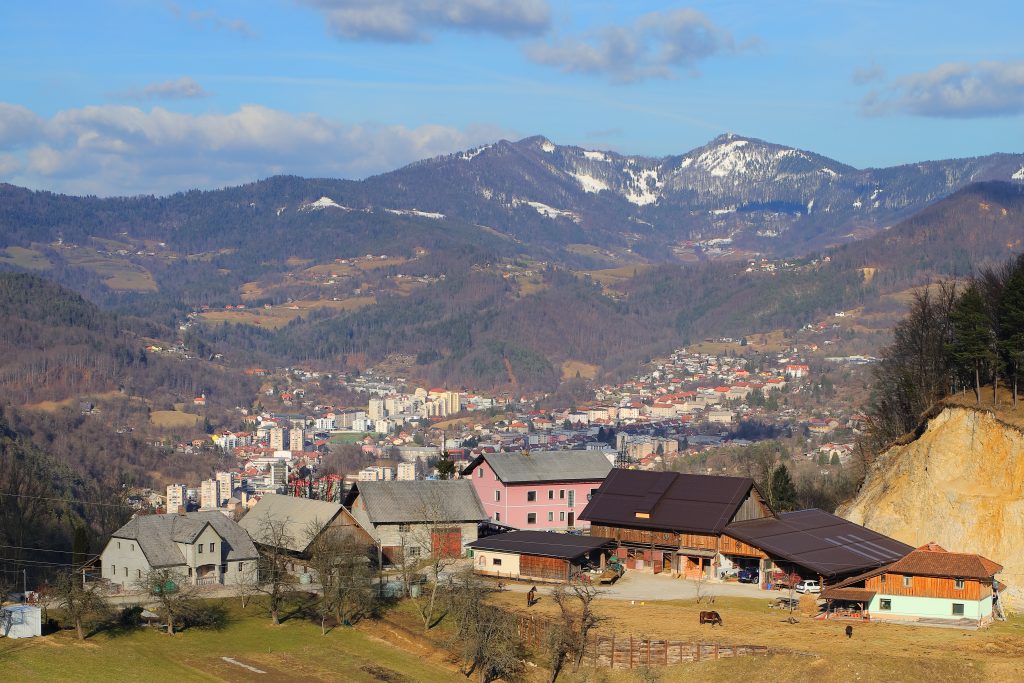
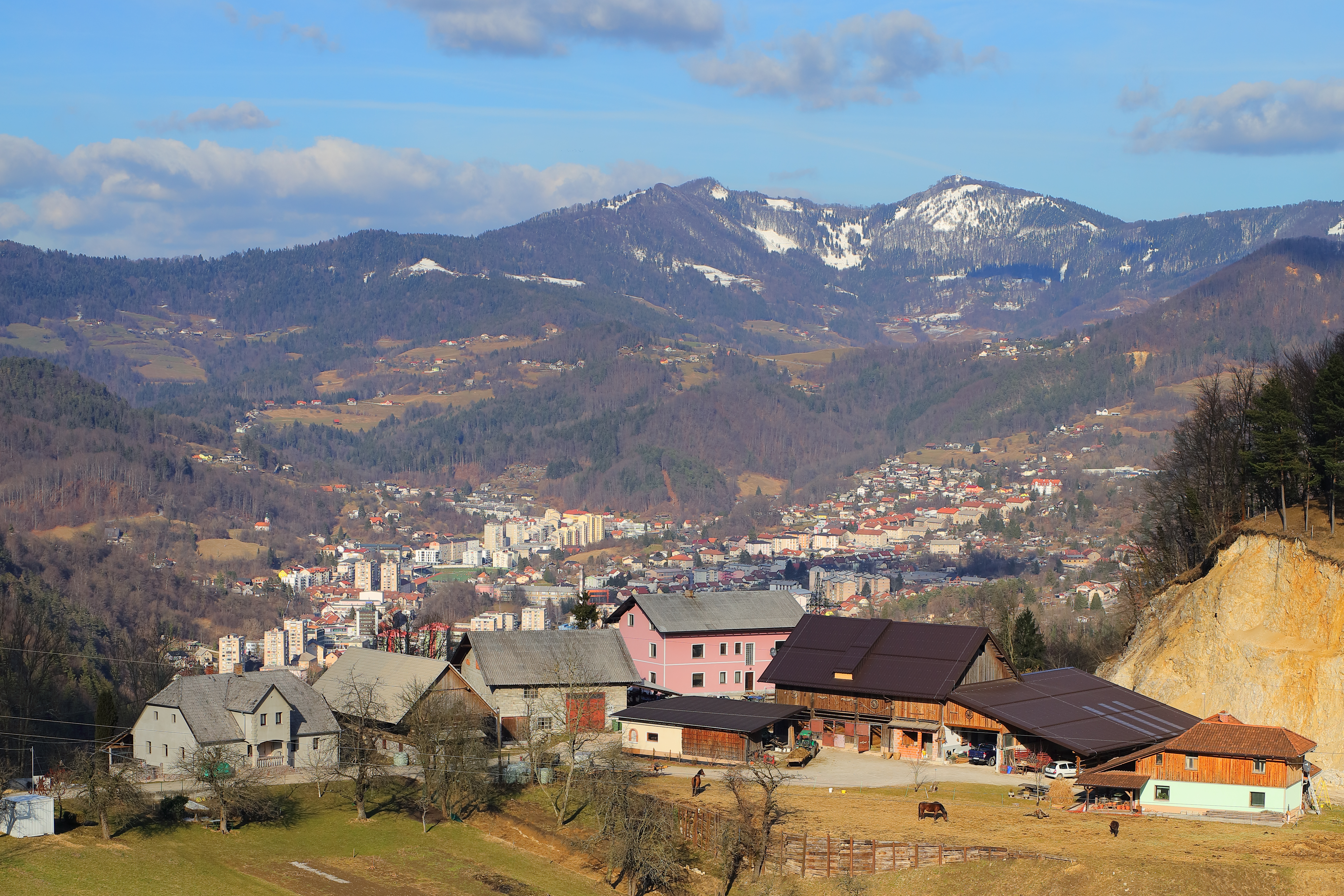

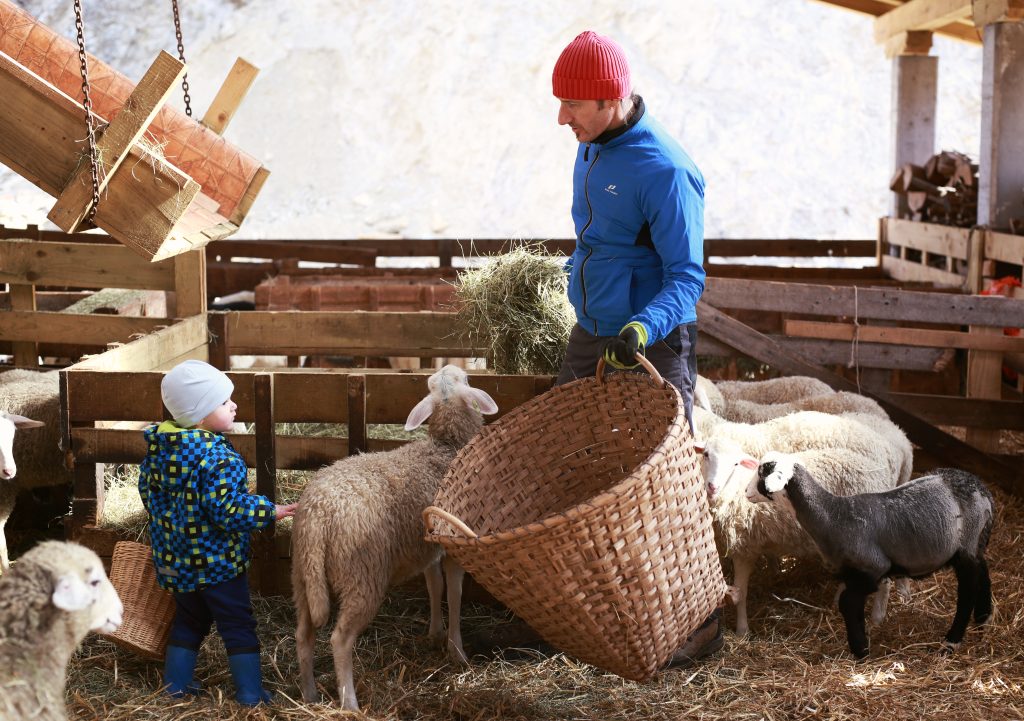
Macerl is a third-generation organic farmer whose family farm sits on the outskirts of the Slovenian industrial town of Trbovlje. (Photo: Goldman Environmental Prize)

Macerl's farm sits on a hill overlooking Trbovlje, where air pollution from local factories have long affected the town's farms, wildlife, and people. (Photo: Goldman Environmental Prize)

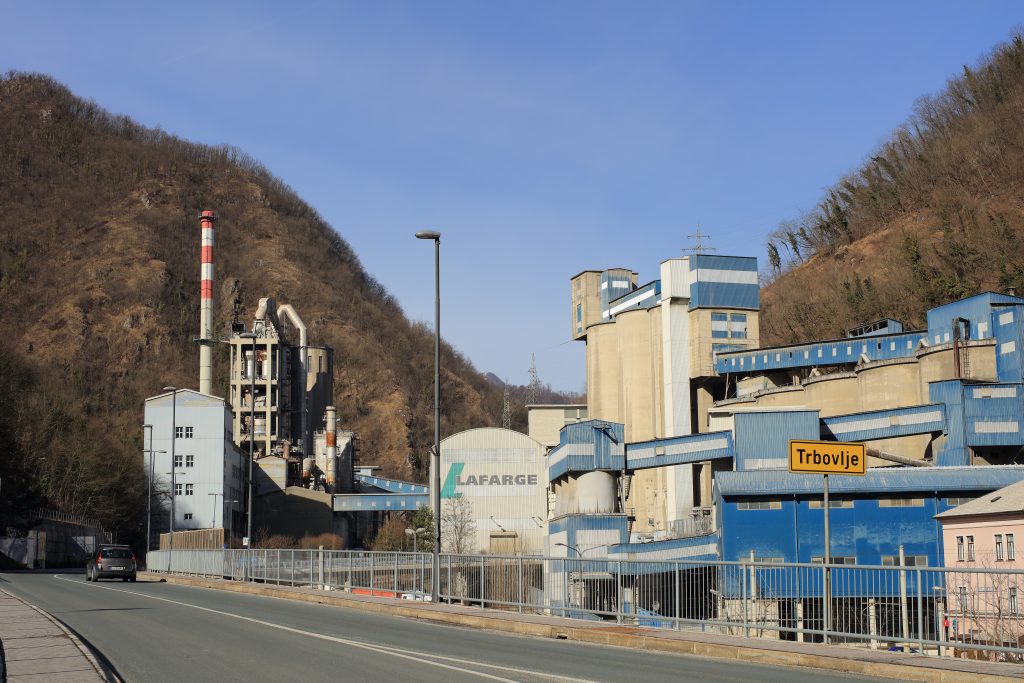
In 2003, Lafarge Cement took over a 130-year-old cement plant in Trbovlje and began burning petcoke. (Photo: Goldman Environmental Prize)

Many farmers suffered huge losses as industrial pollution wiped out the three most vital elements of their livelihood: clean air, soil, and water. (Photo: Goldman Environmental Prize)

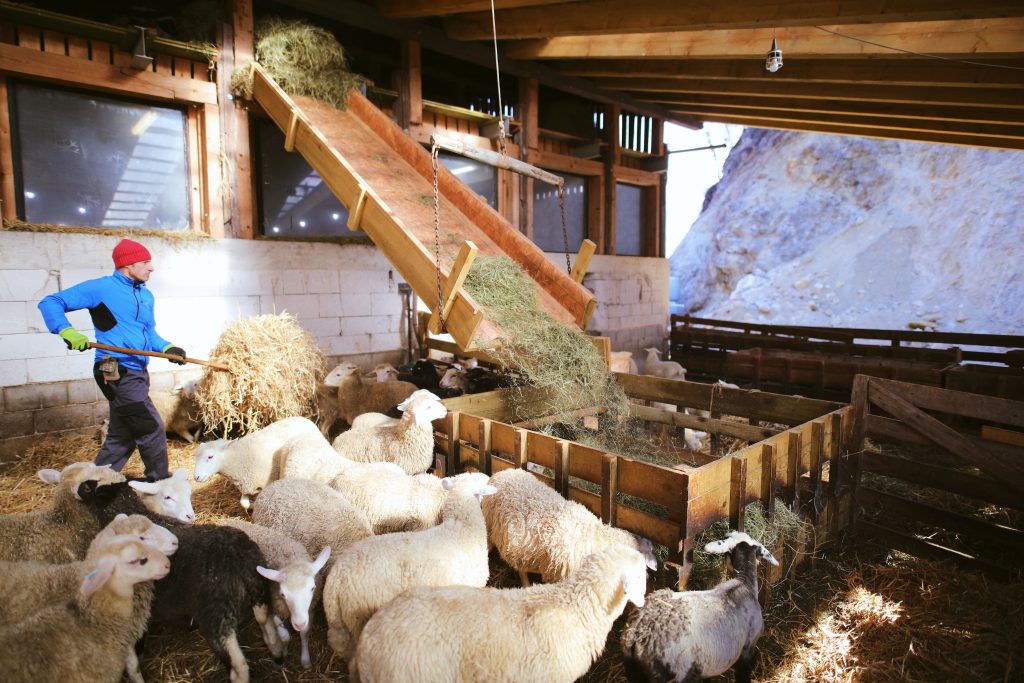
Macerl took over his family’s farm, but began raising sheep when air pollution made growing crops impossible. (Photo: Goldman Environmental Prize)

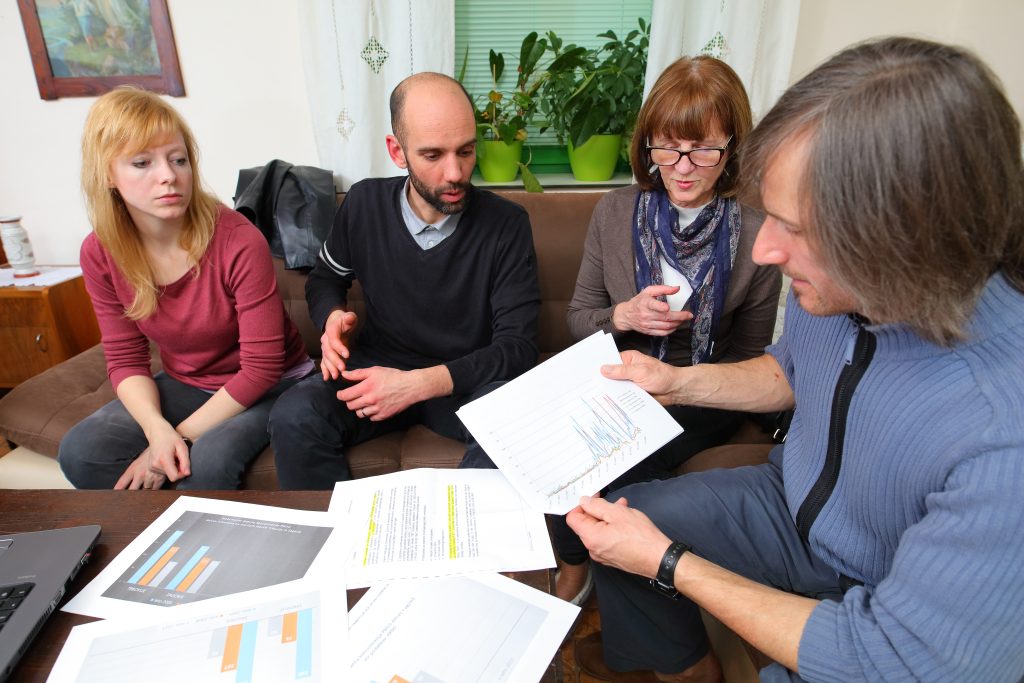
With help from legal experts at Eko Krog, a local environmental group, Macerl challenged Lafarge in Slovenian and European courts. (Photo: Goldman Environmental Prize)

Since the plant’s shutdown, the region has seen visible improvements in air quality. (Photo: Goldman Environmental Prize)

Macerl was driven to protect the health of his children, who often work alongside their father at the family farm. (Photo: Goldman Environmental Prize)

The 2017 Goldman Environmental Prize Winners

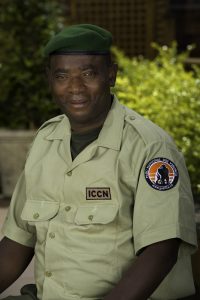
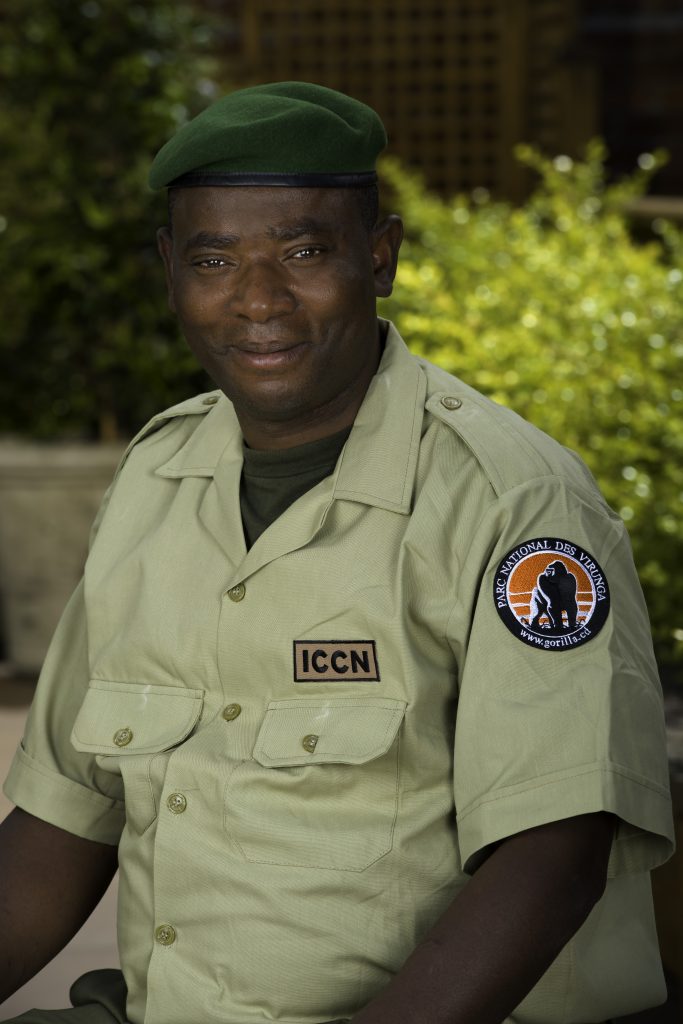
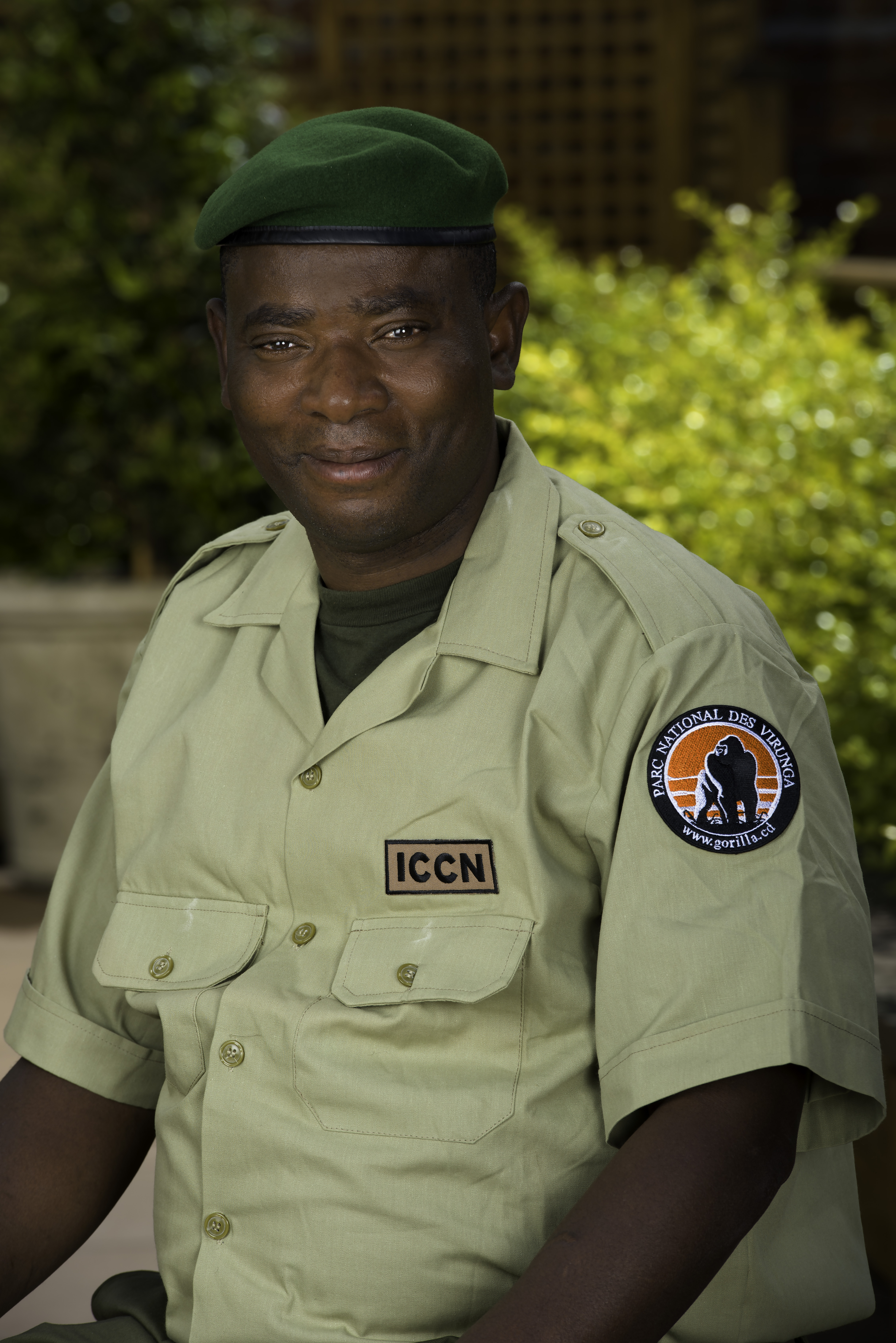
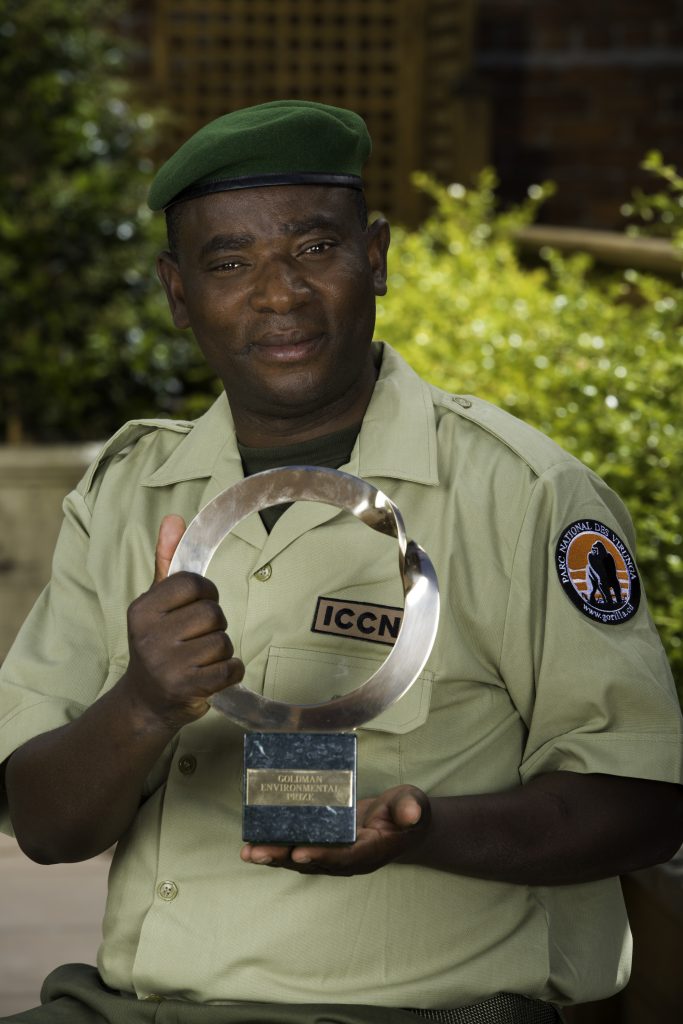
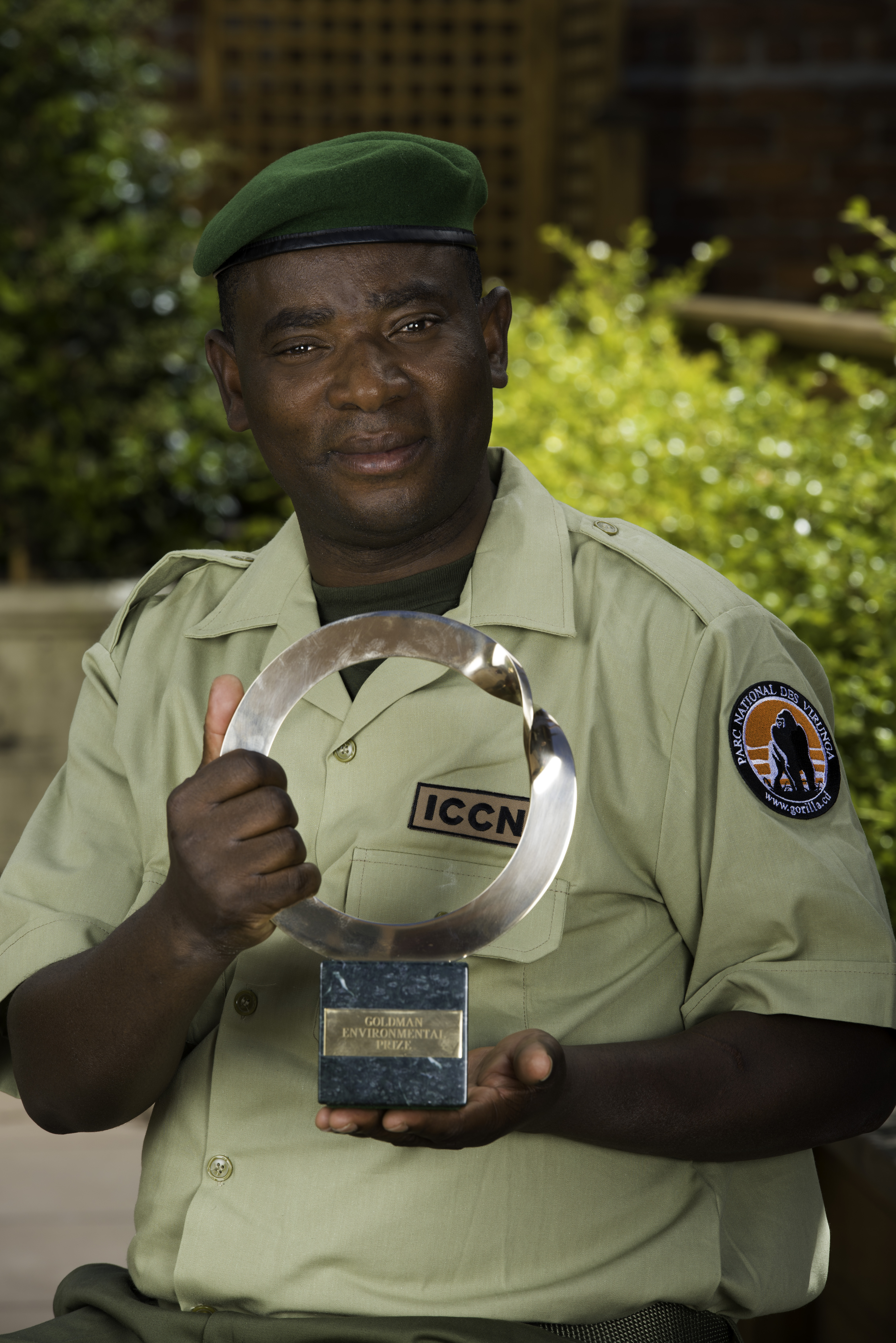
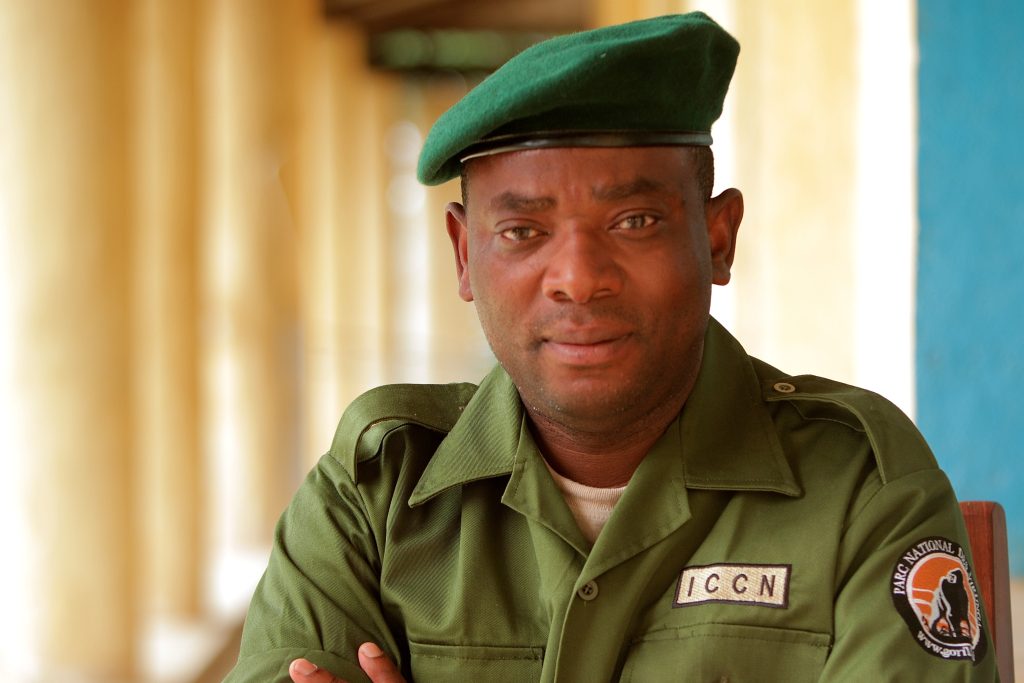
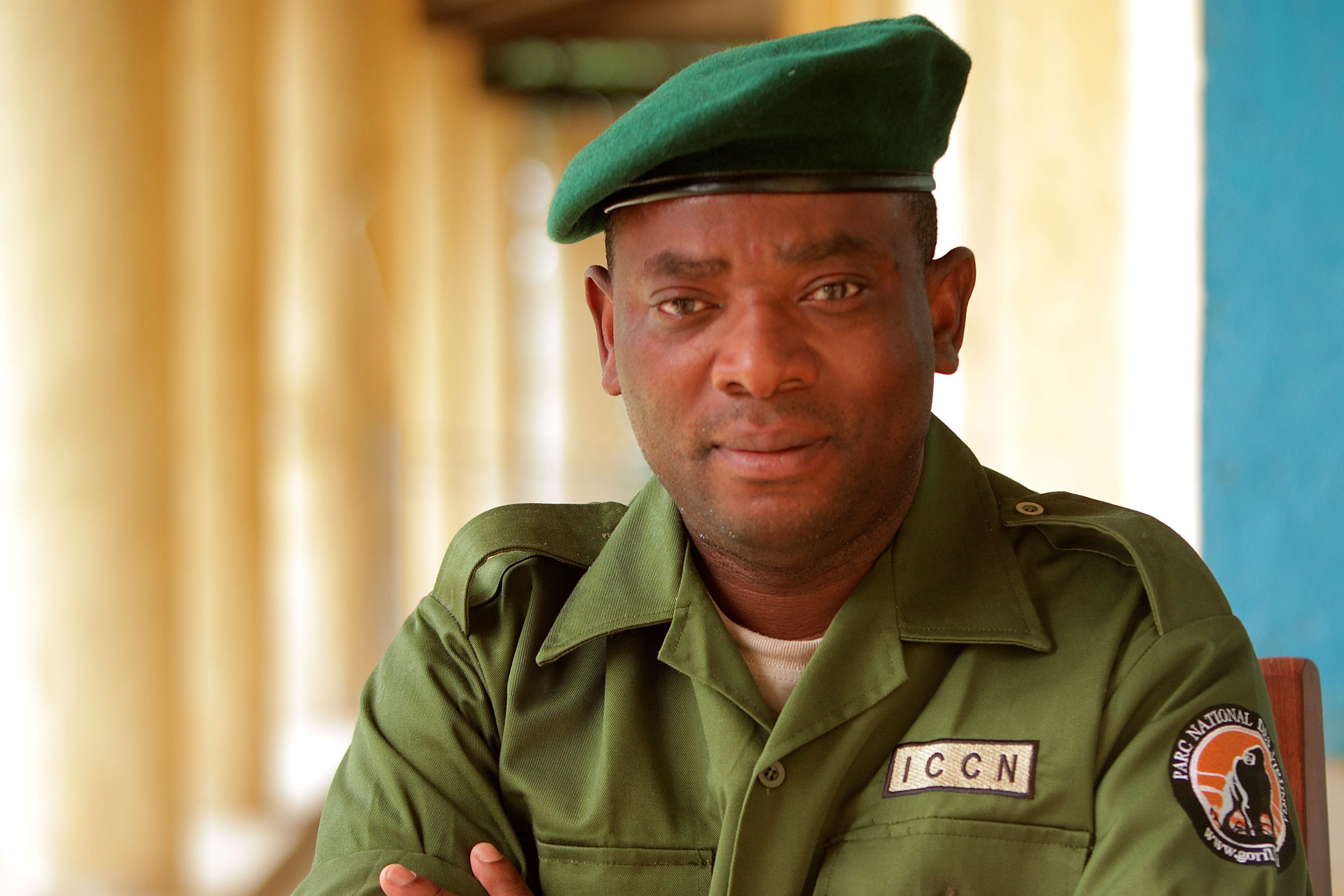
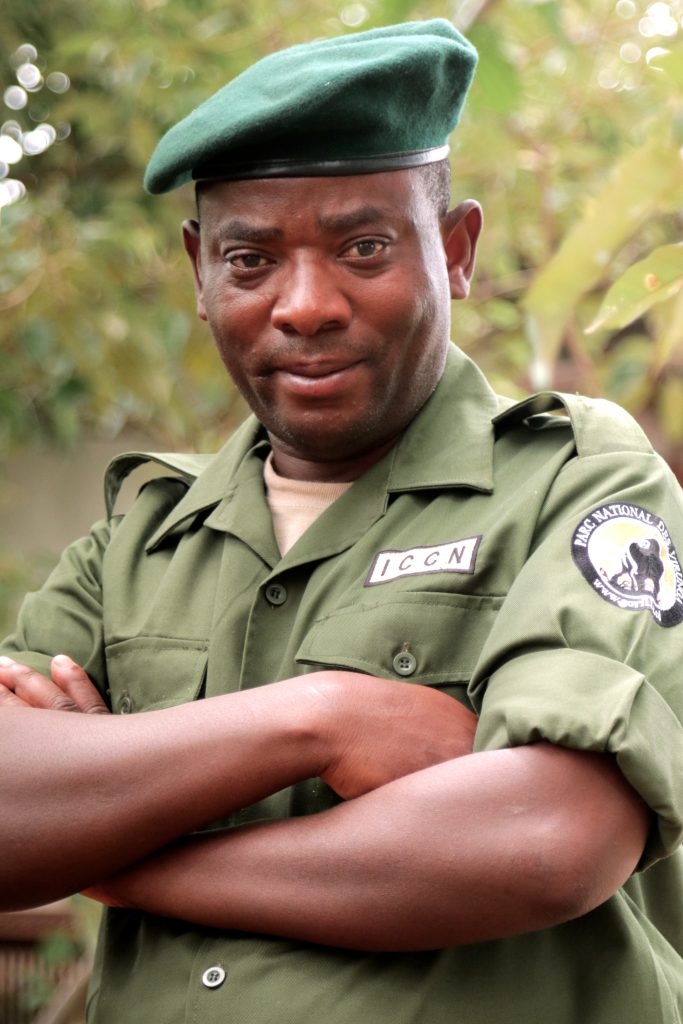
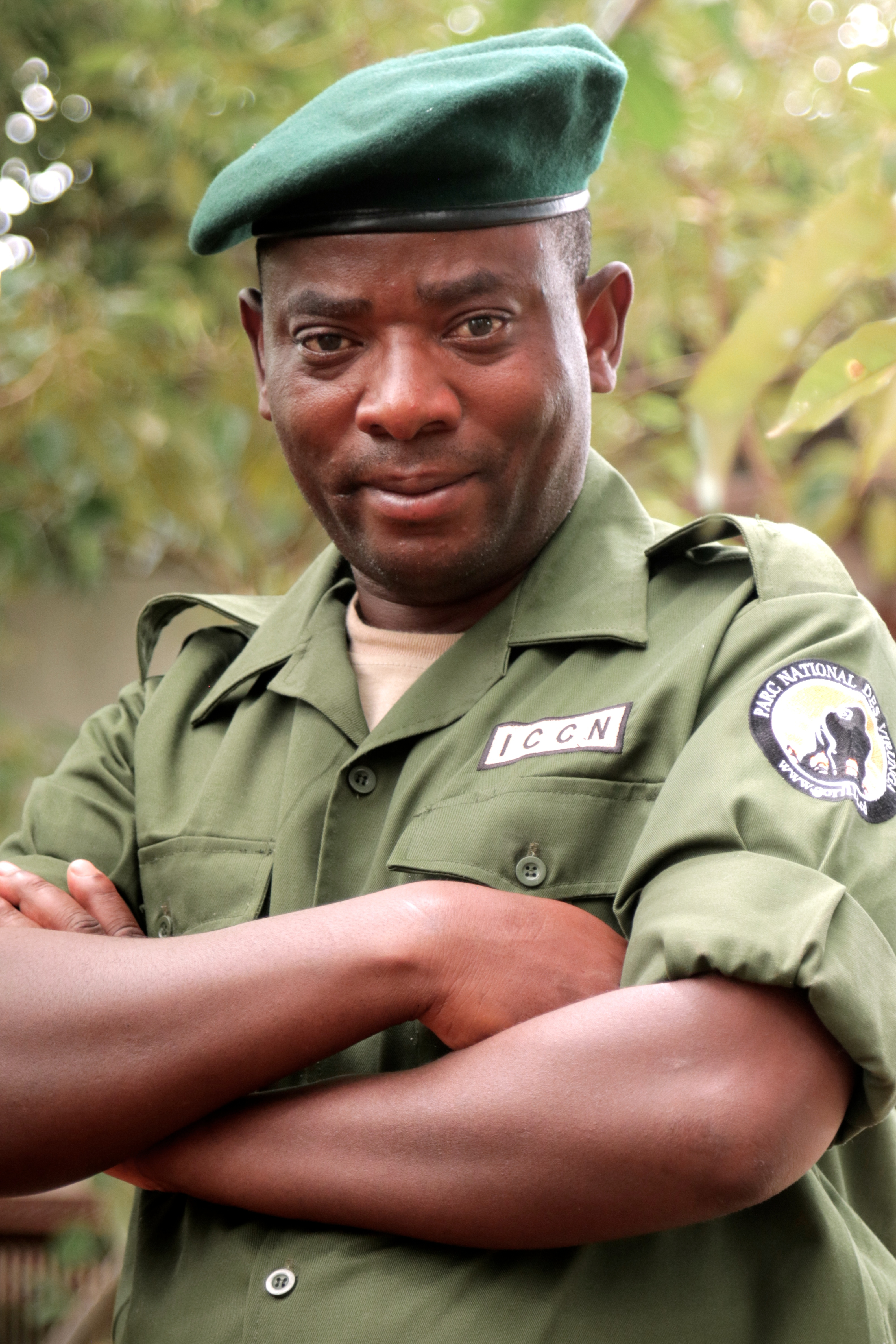
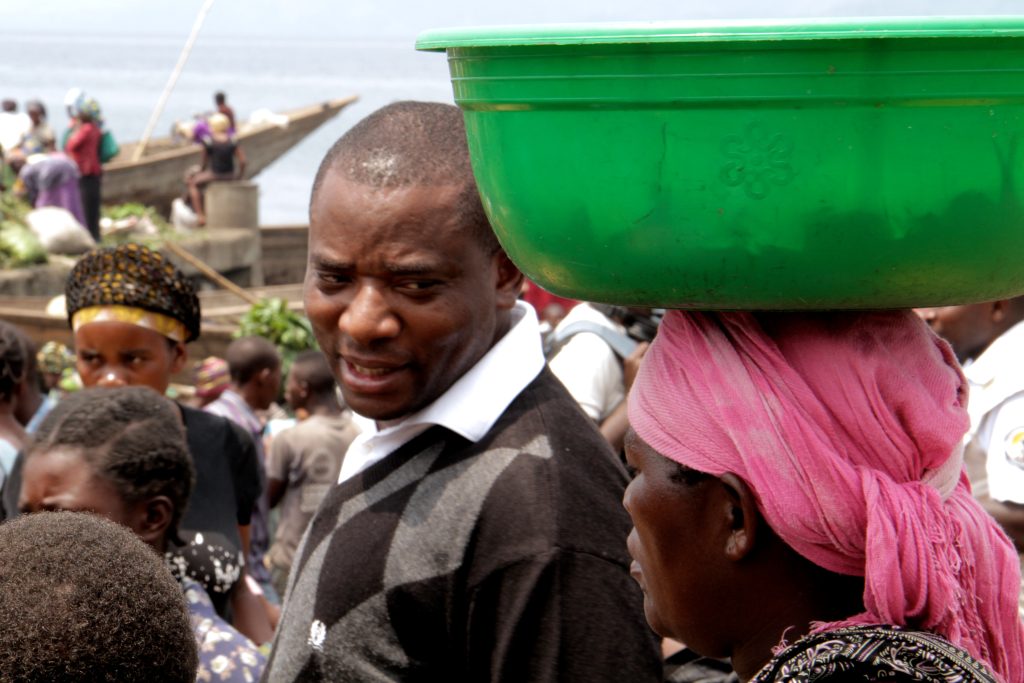
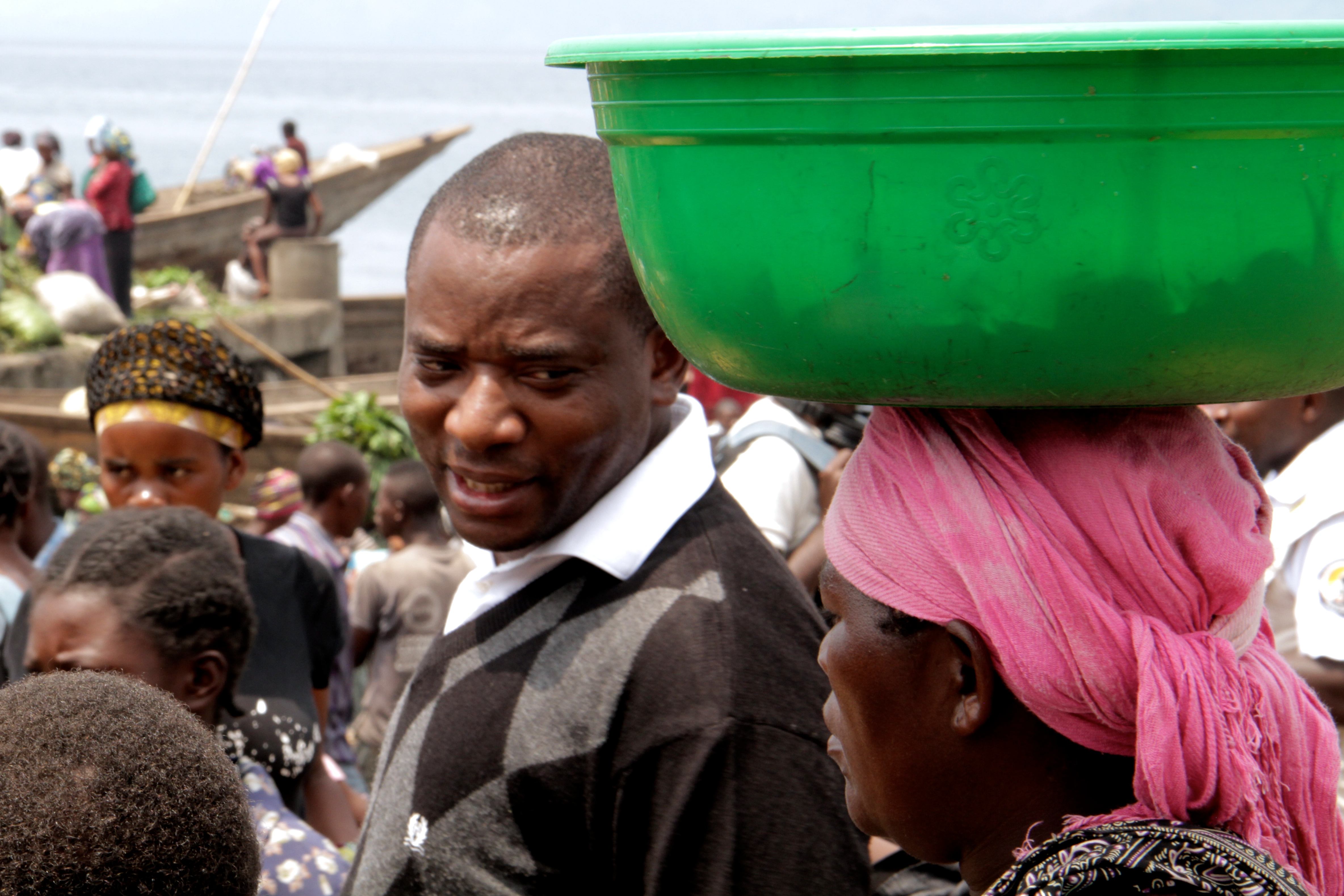
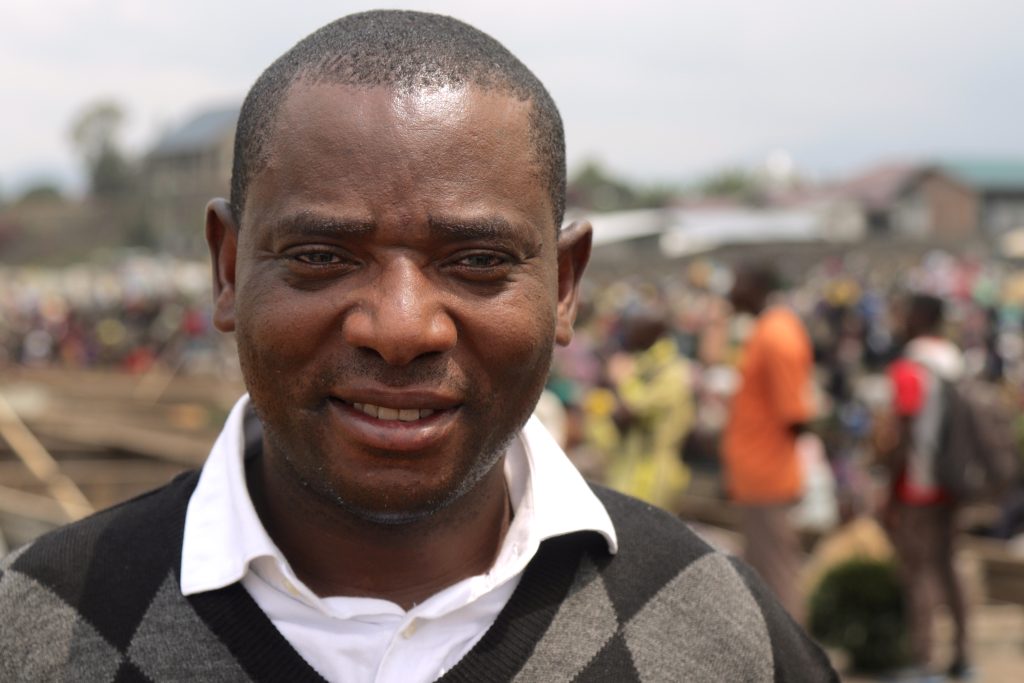
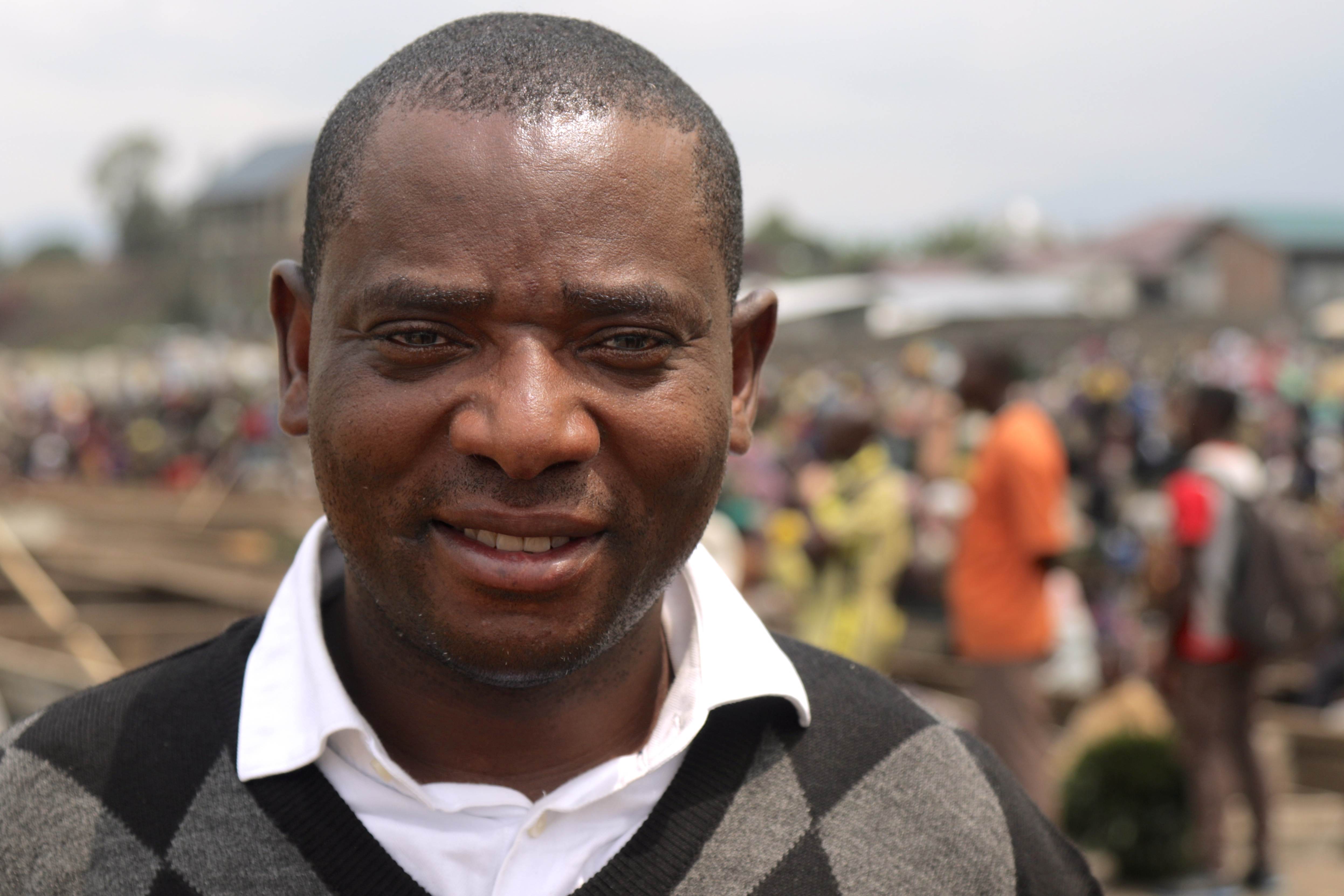
2017 Goldman Environmental Prize winner Rodrigue Mugaruka Katembo (Photo: Goldman Environmental Prize)

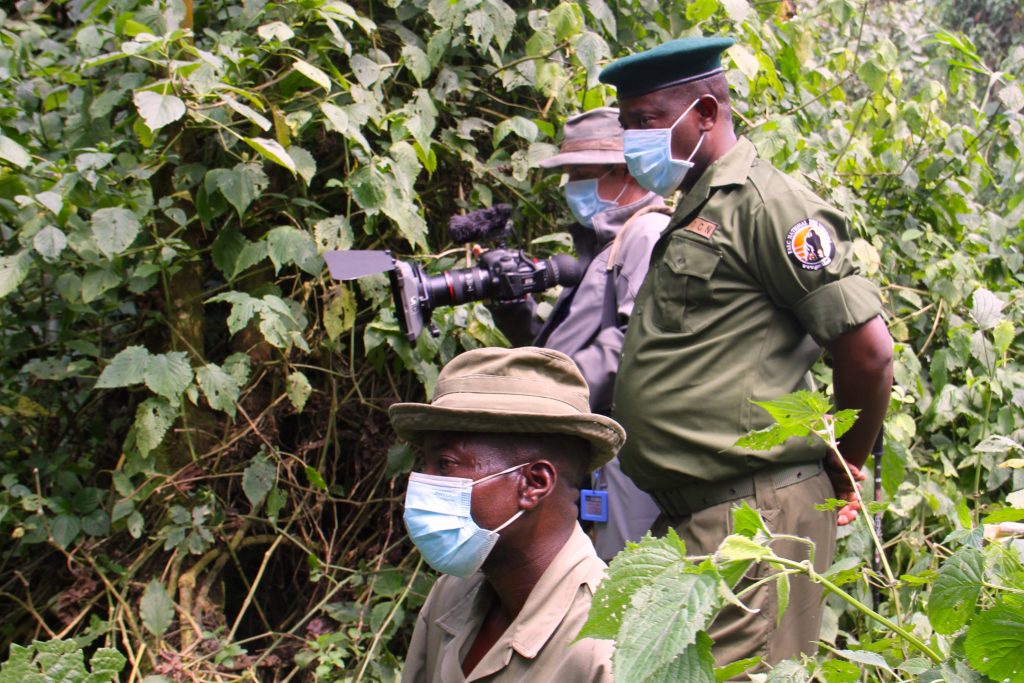
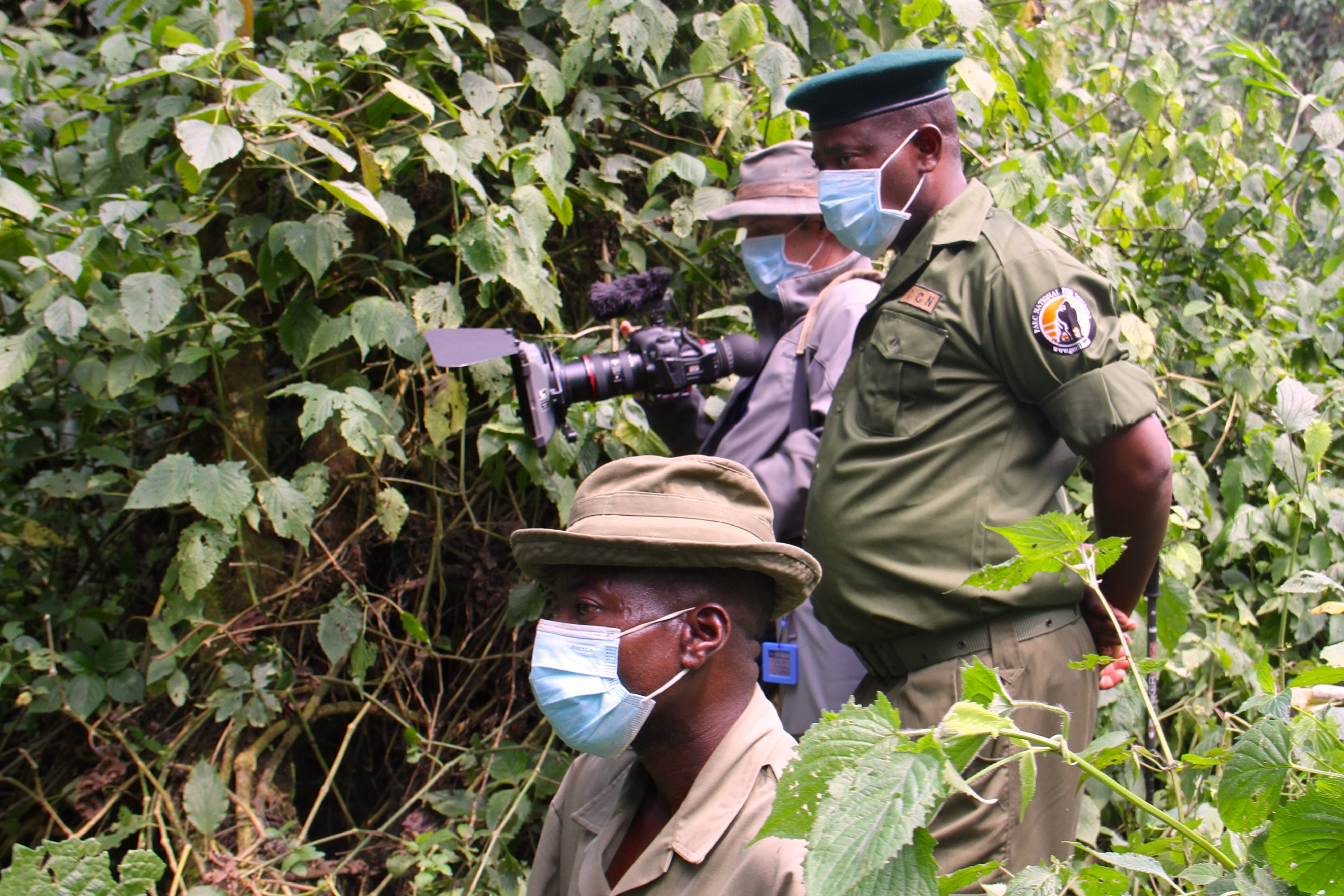
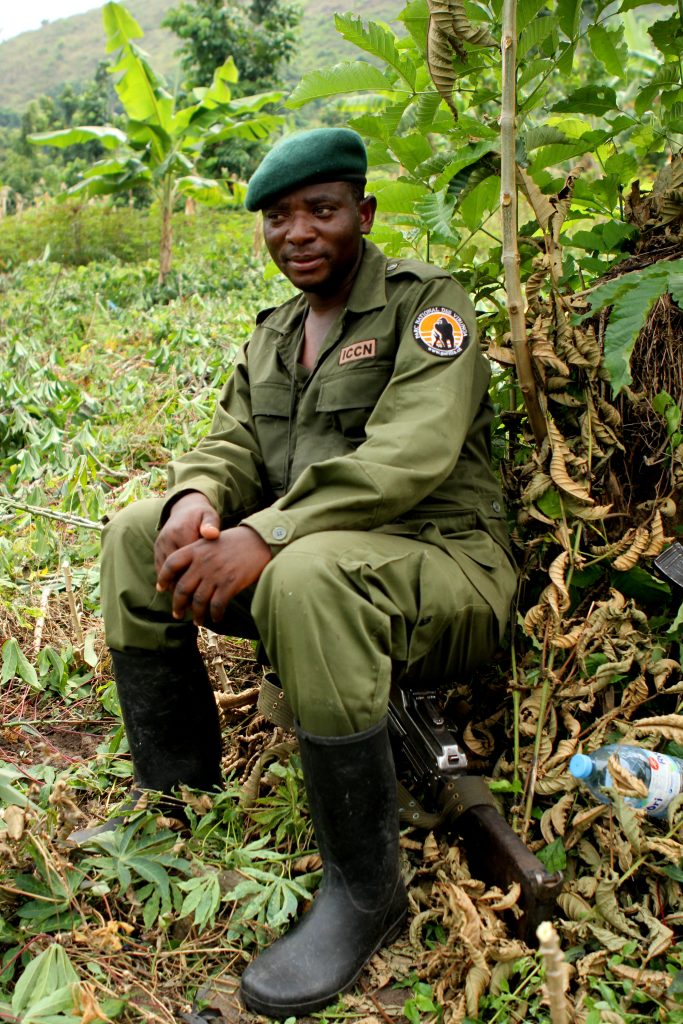
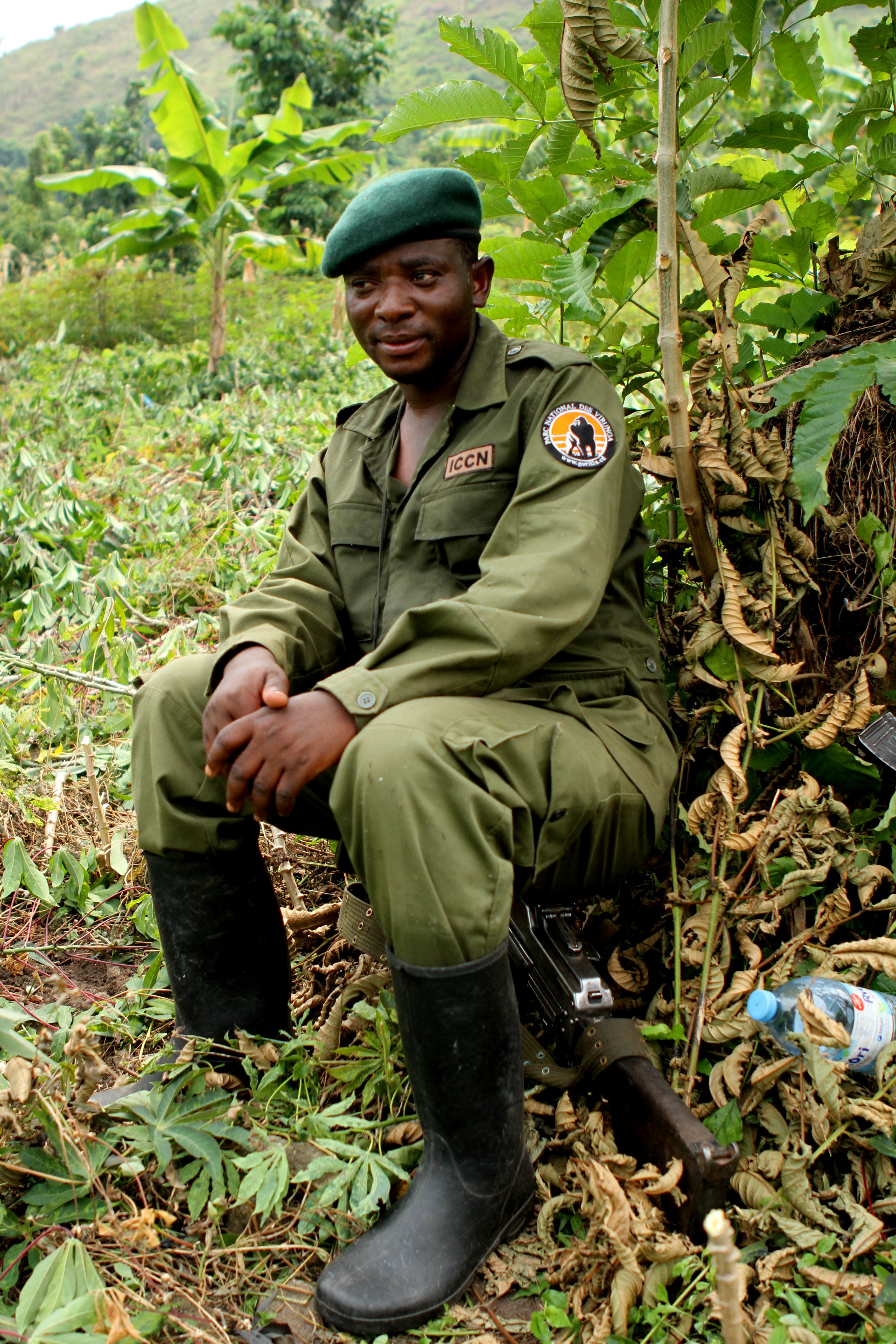
In 2003, Katembo became a ranger at Virunga National Park and developed a reputation for high integrity and exceptional leadership. (Photo: Goldman Environmental Prize)

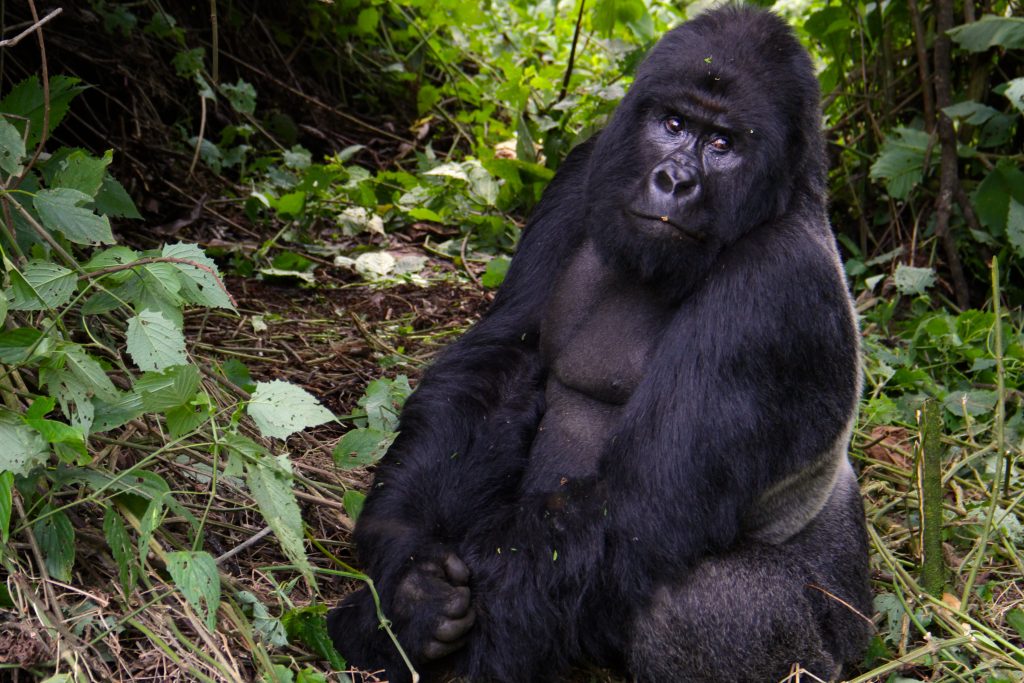
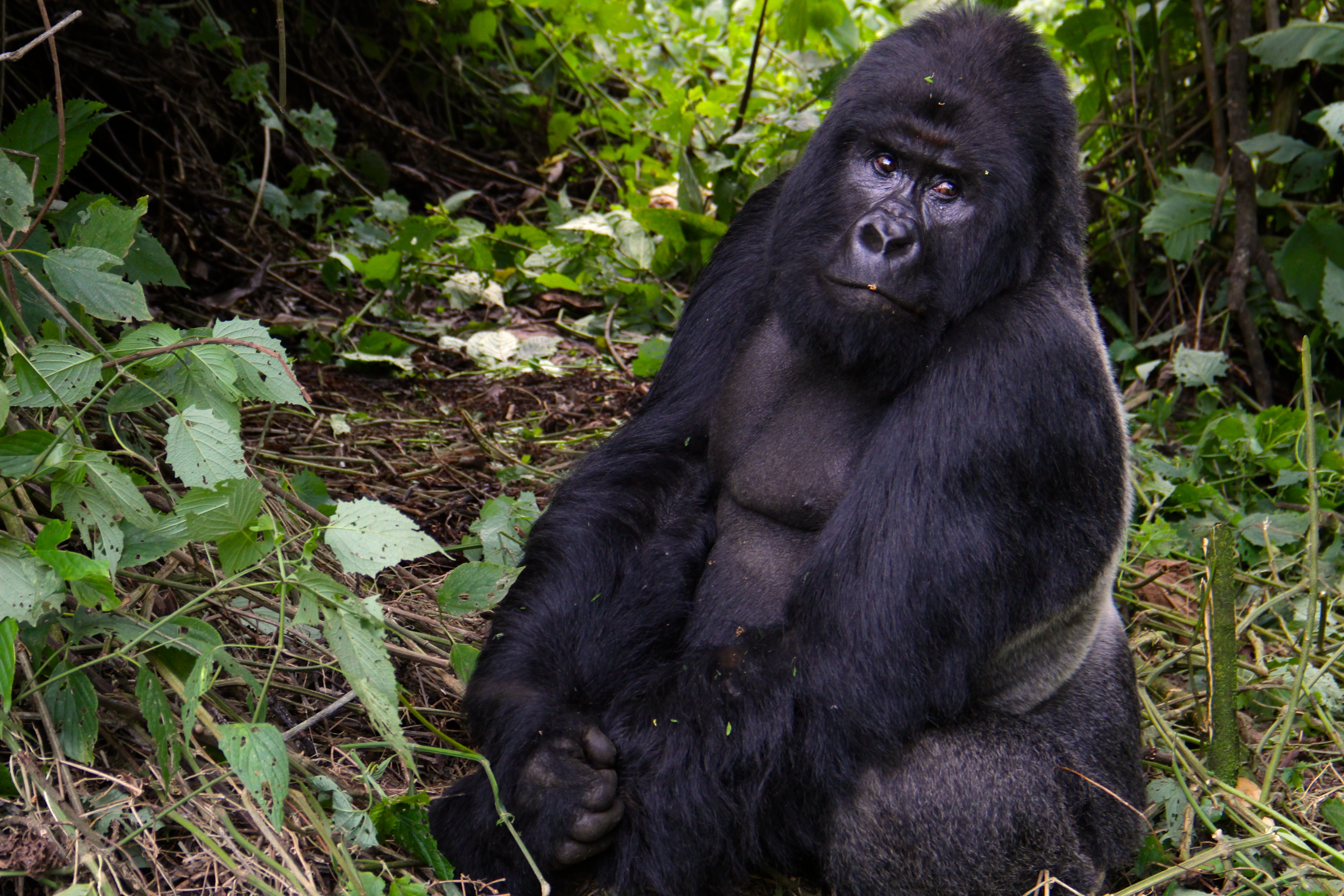
Virunga, the oldest national park in Africa and the crown jewel of Congo’s ecotourism, is an area of extraordinary biodiversity and an important habitat for mountain gorillas. (Photo: Goldman Environmental Prize)

Katembo observes a band of mountain gorillas in Virunga National Park. (Photo: Goldman Environmental Prize)

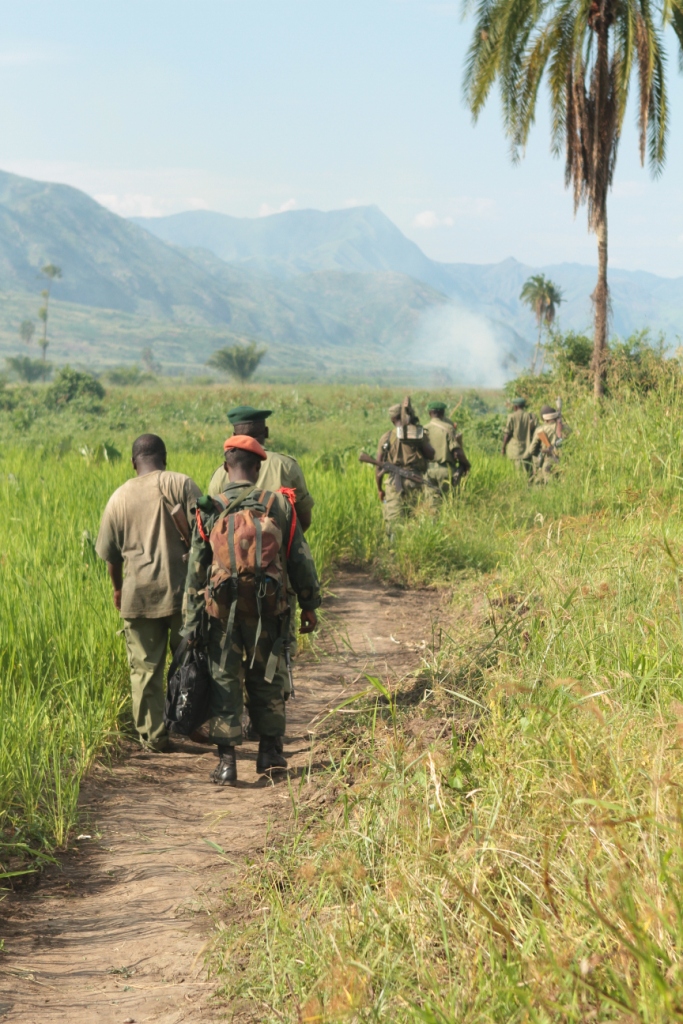
Katebmo during an anti-poaching operation in Virunga National Park (Photo by Emmanuel Kataya, courtesy of Rodrigue Katembo)

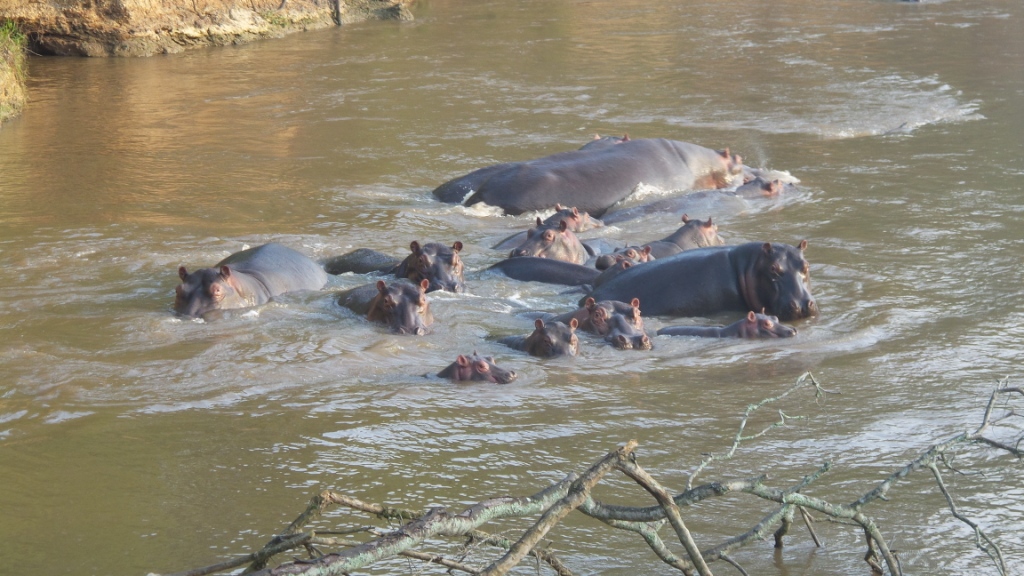
A pod of hippopotamus spotted during a wildlife patrol in Virunga National Park (Photo by Xavier Gilbert, courtesy of Rodrigue Katembo)

Katembo leads a counter-poaching operation in Virunga National Park's central sector (Photo by Emmanuel Kataya, courtesy of Rodrigue Katembo)

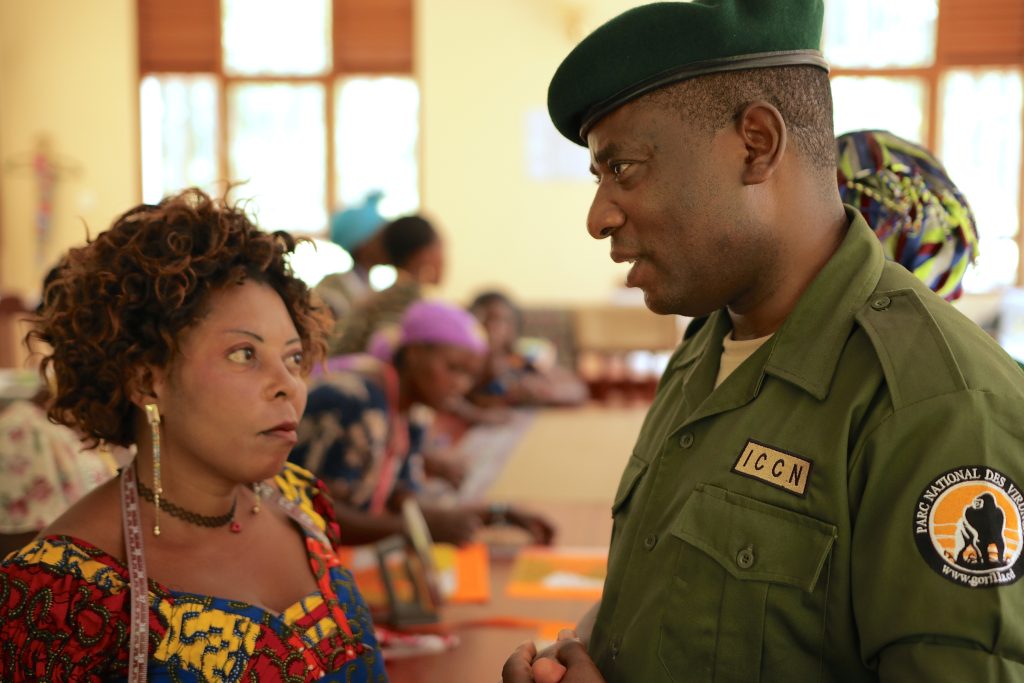
Katembo meets with a group of widows whose husbands are among the over 140 Virunga park rangers killed in the line of duty, often at the hands of armed rebels and poachers. (Photo: Goldman Environmental Prize)

At great risk to his life, Katembo went undercover to document and release information about bribery and corruption in the quest to drill for oil in Virunga National Park. (Photo: Goldman Environmental Prize)

Following international outrage at the company's conduct, Soco International announced it was giving up its oil license in Virunga National Park. (Photo: Goldman Environmental Prize)

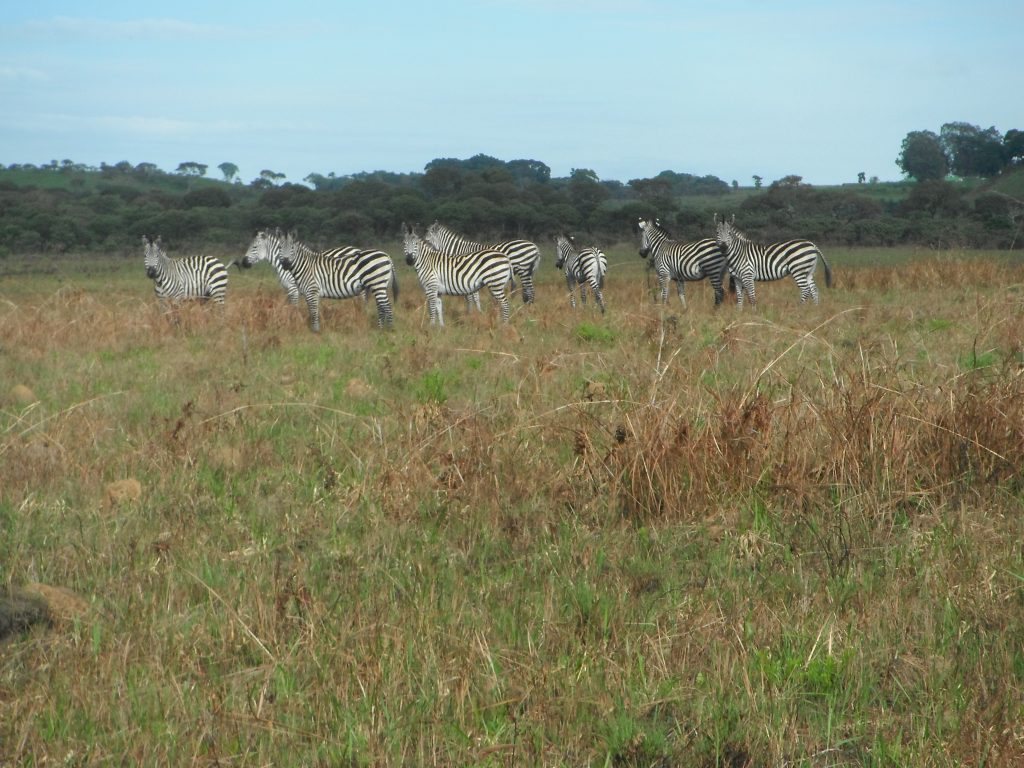
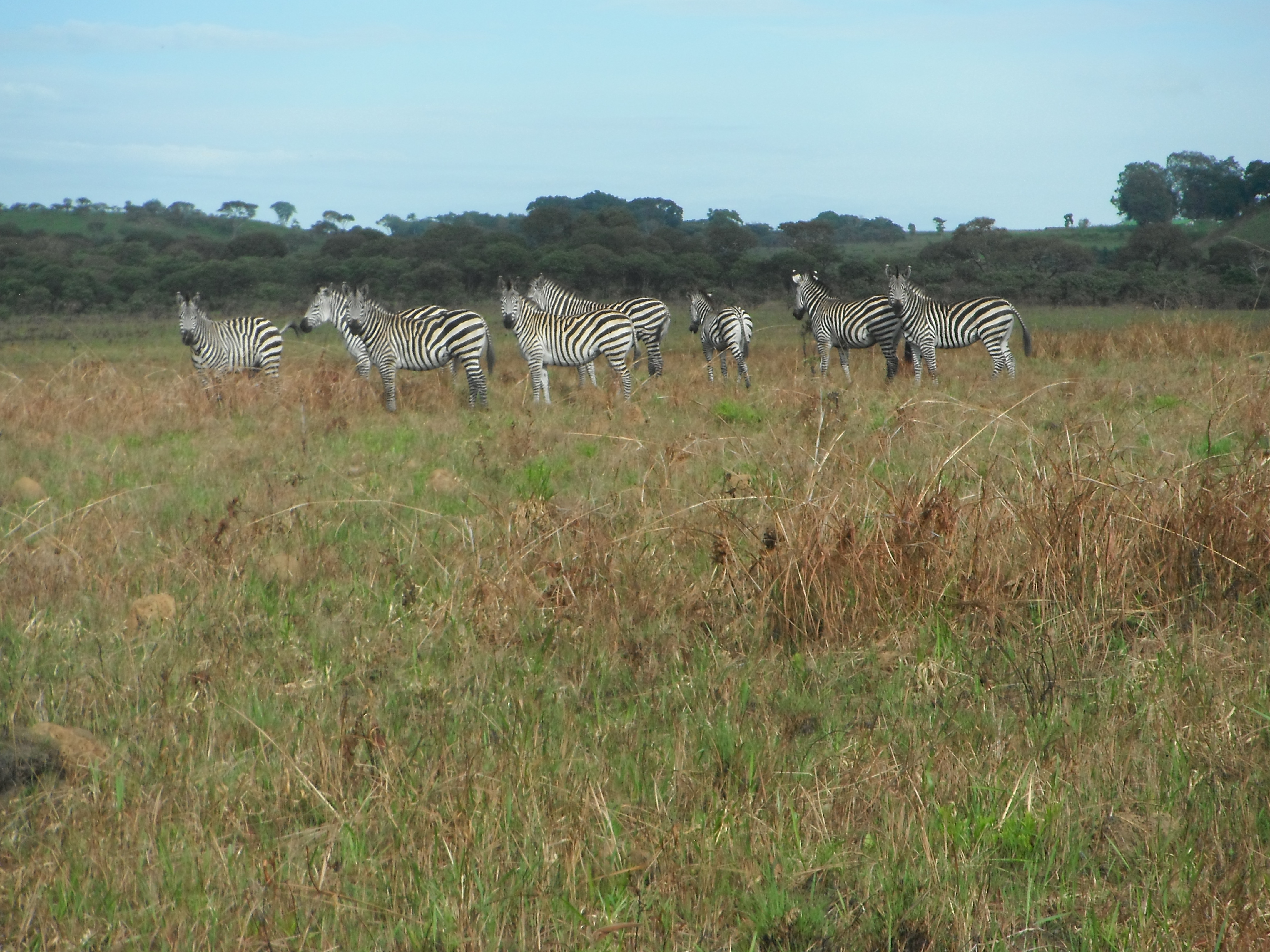
Katembo has been promoted to director of Upemba National Park, the only place with zebras in Congo. Wildlife is stabilizing thanks to his leadership, but extractive industries, poachers, and armed rebels remain a serious threat to the understaffed and under-resourced park. (Photo courtesy Rodrigue Katembo)

The 2017 Goldman Environmental Prize Winners

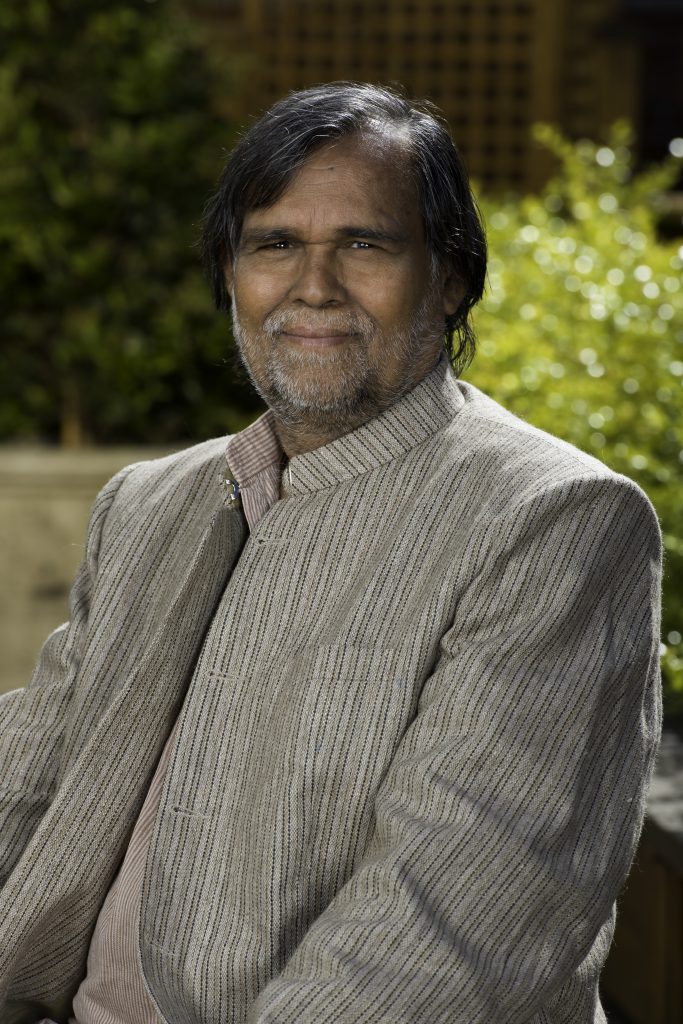
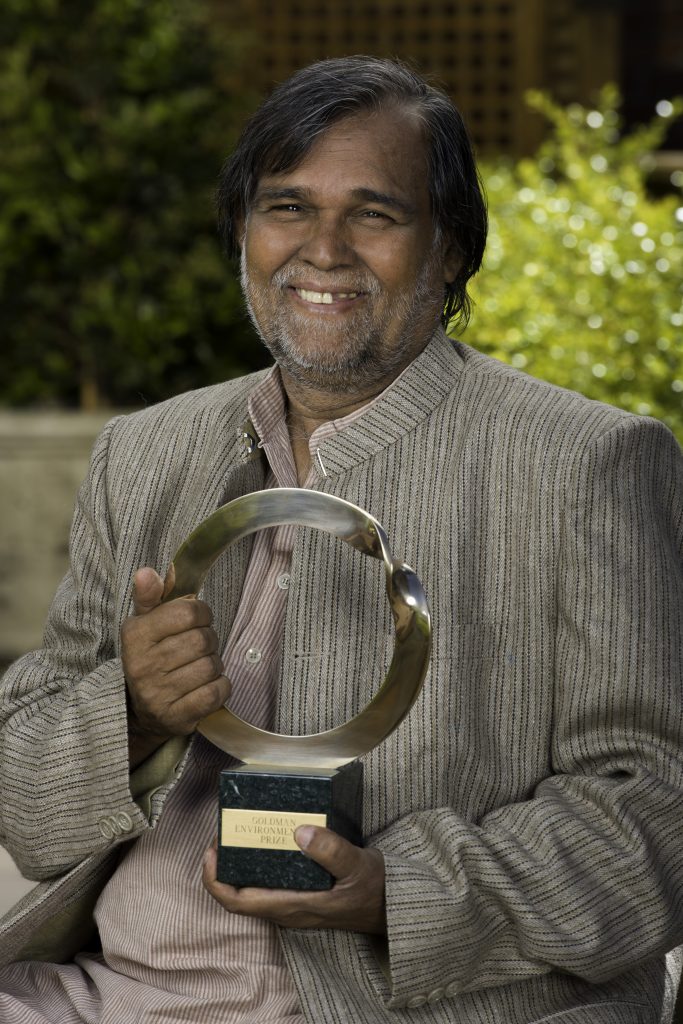
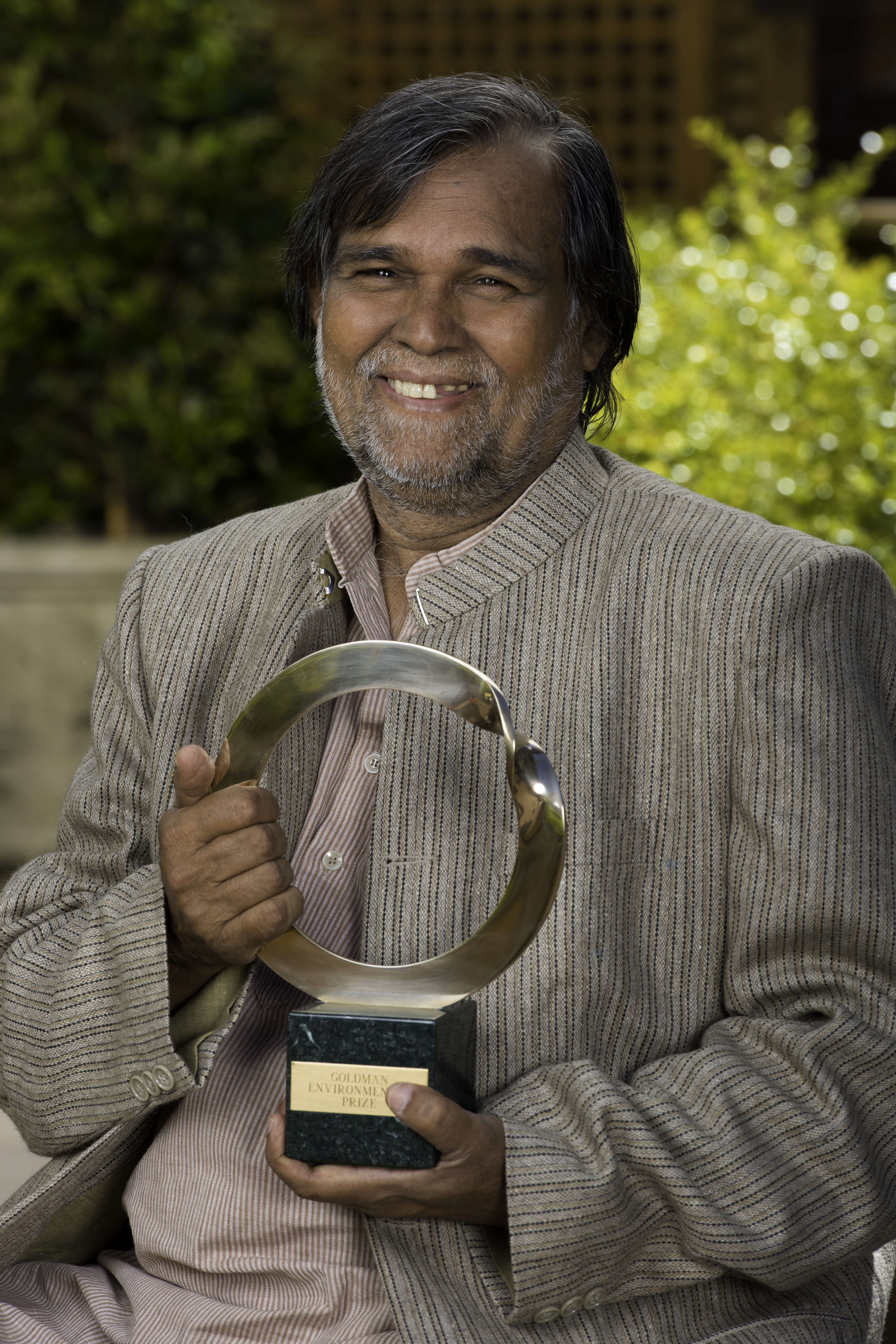
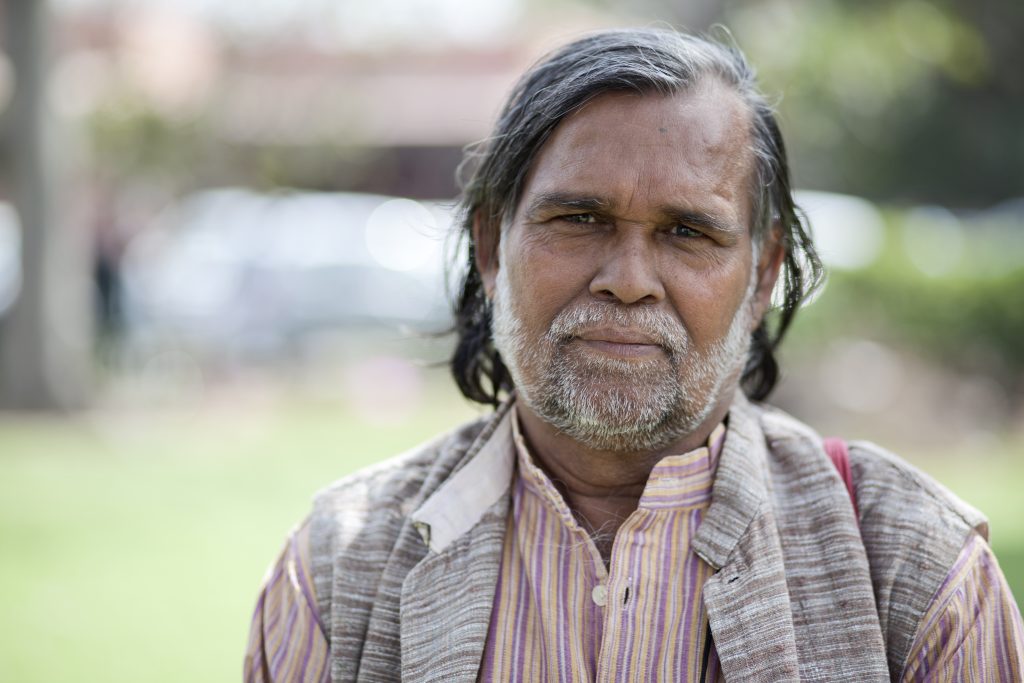
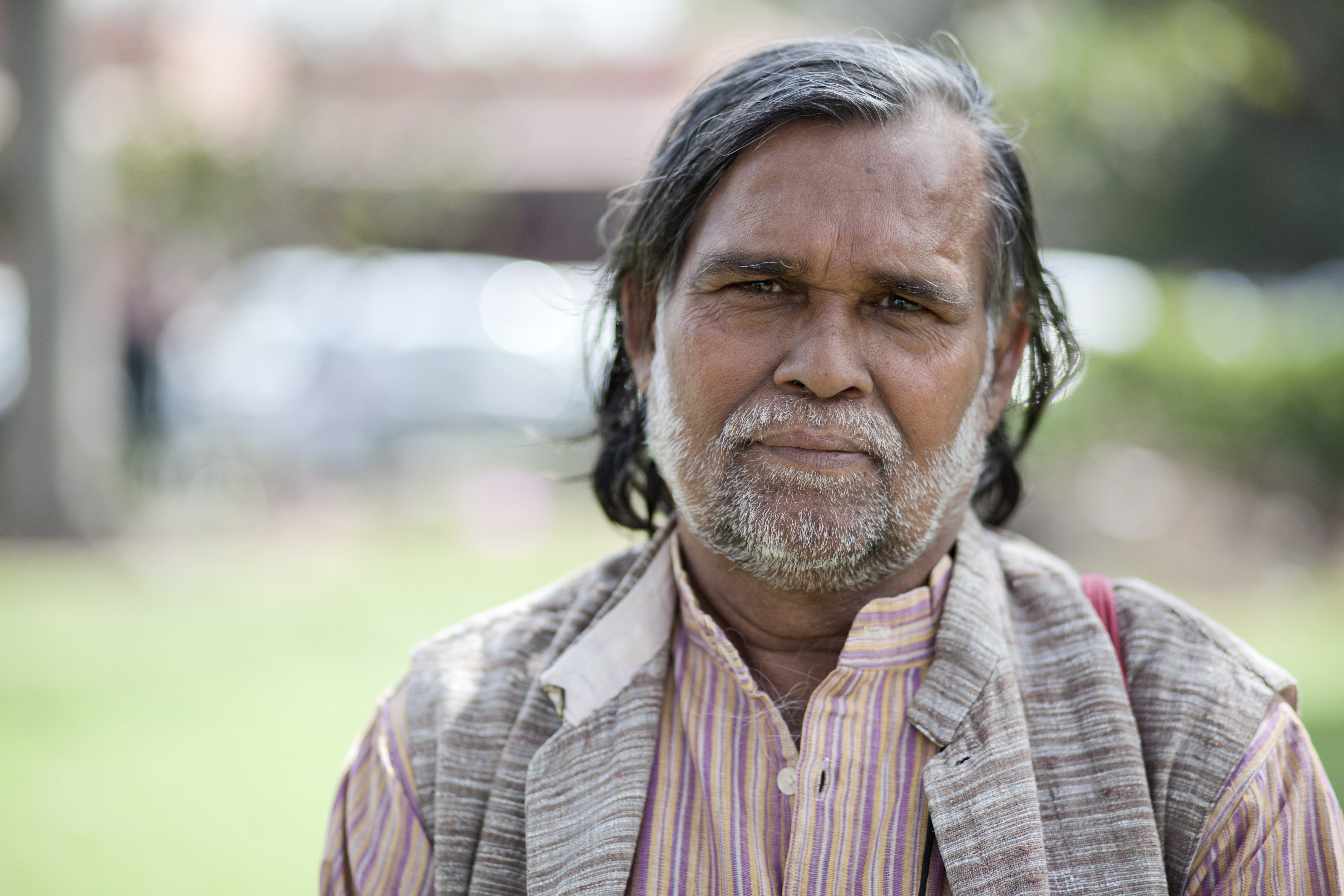
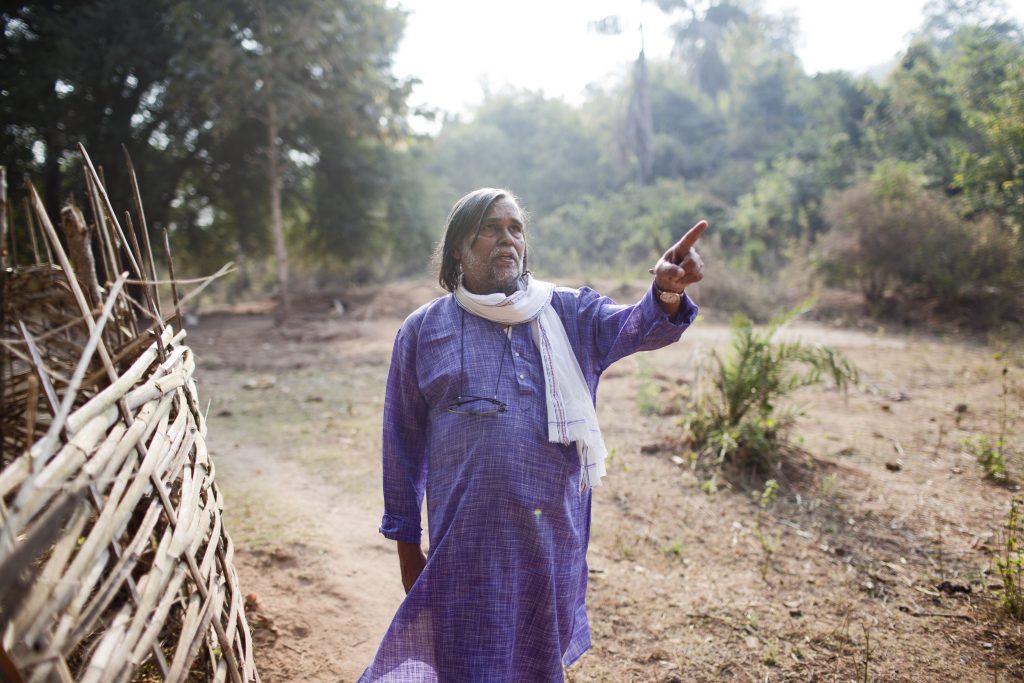
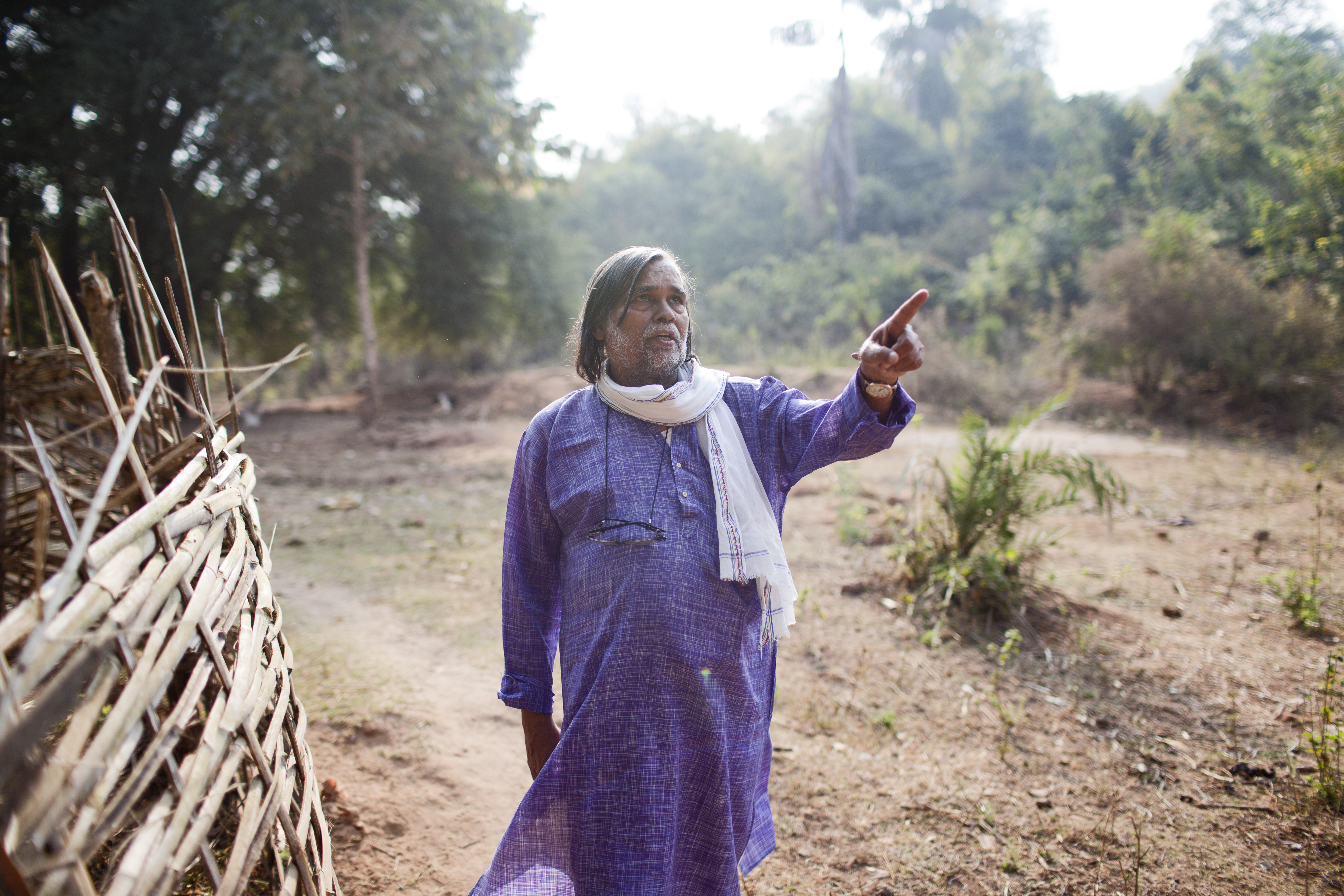
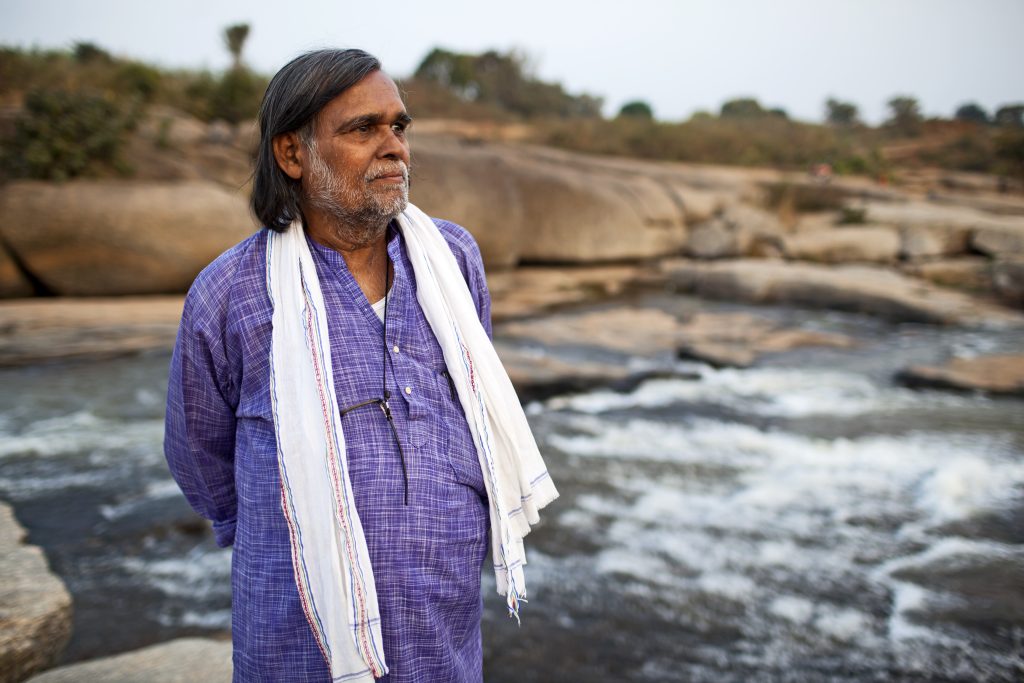
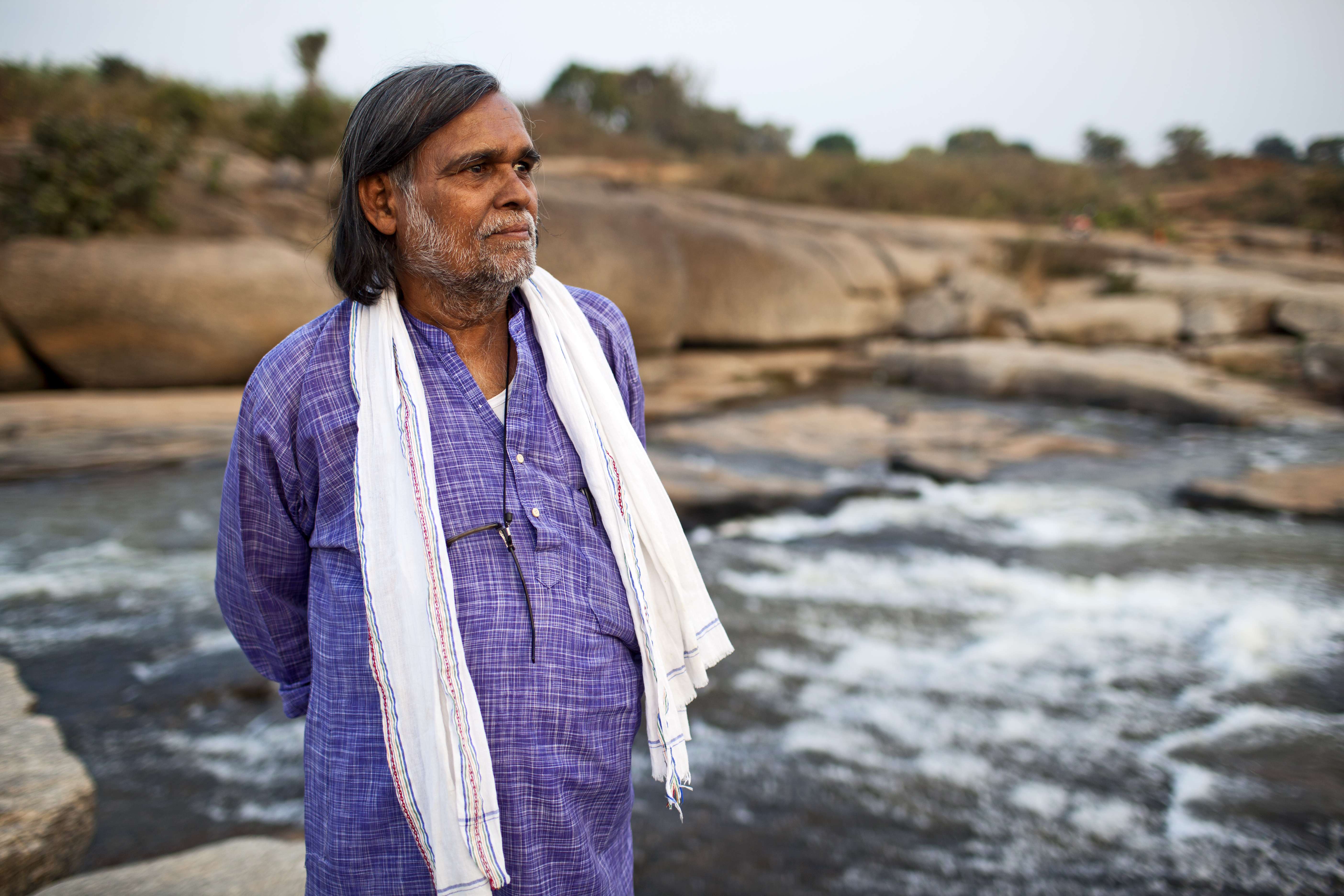
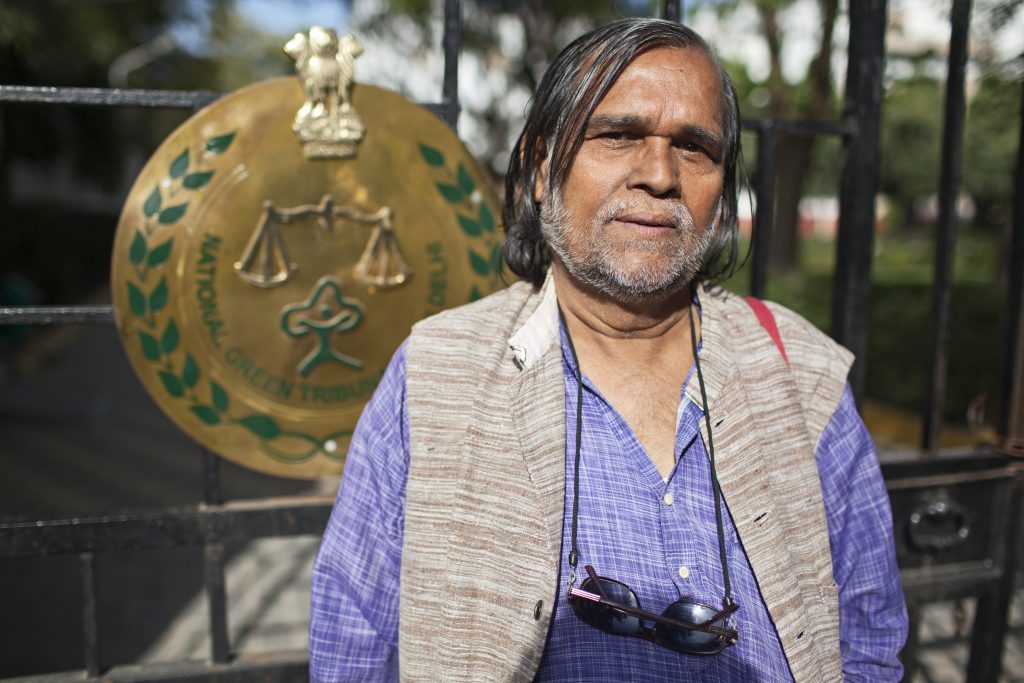
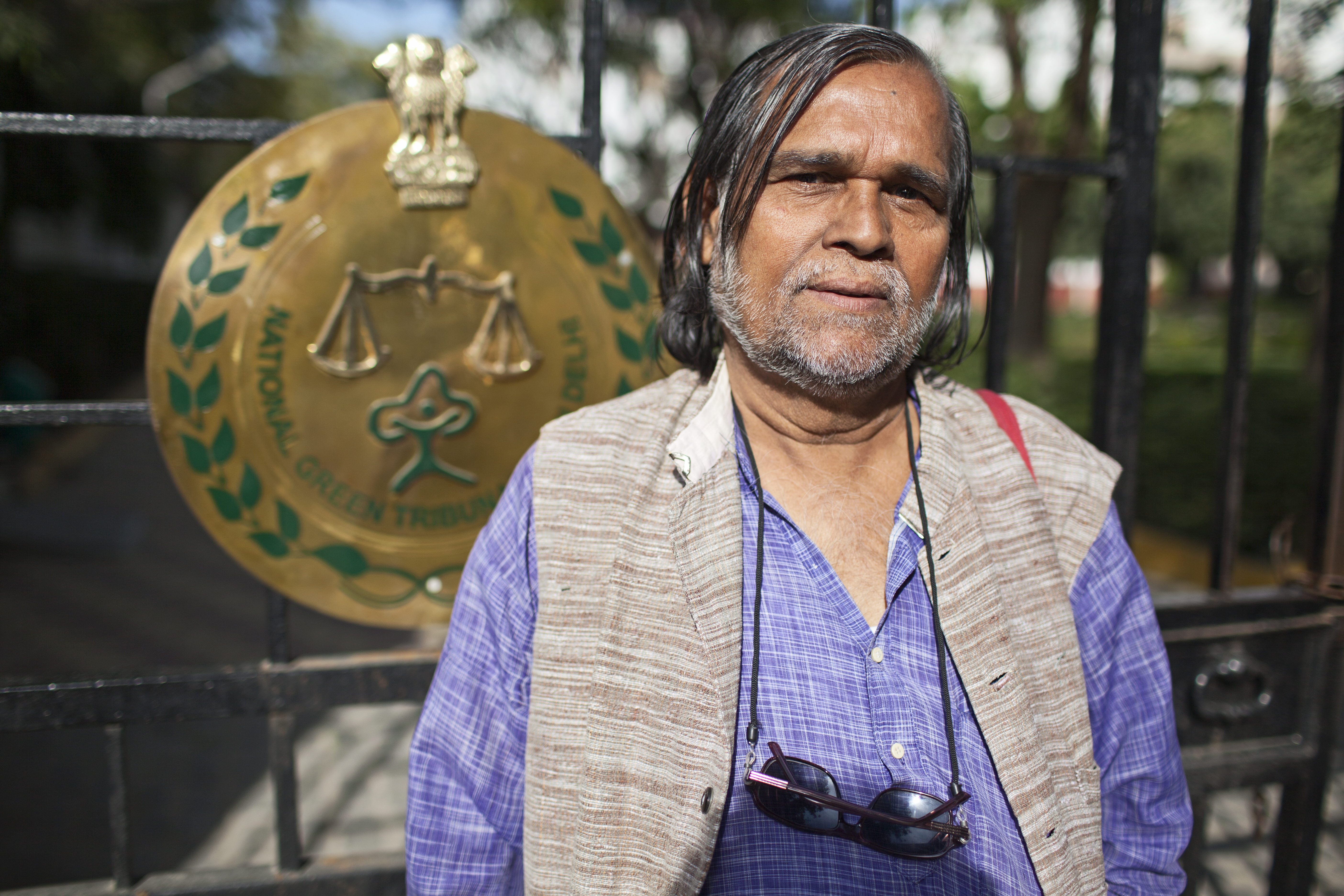
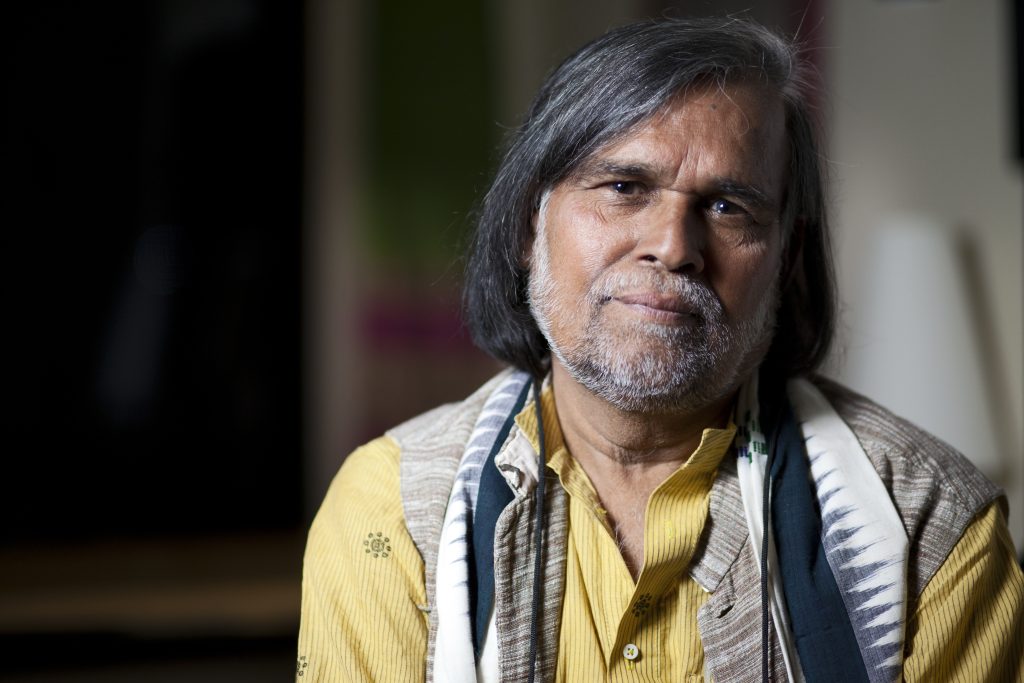
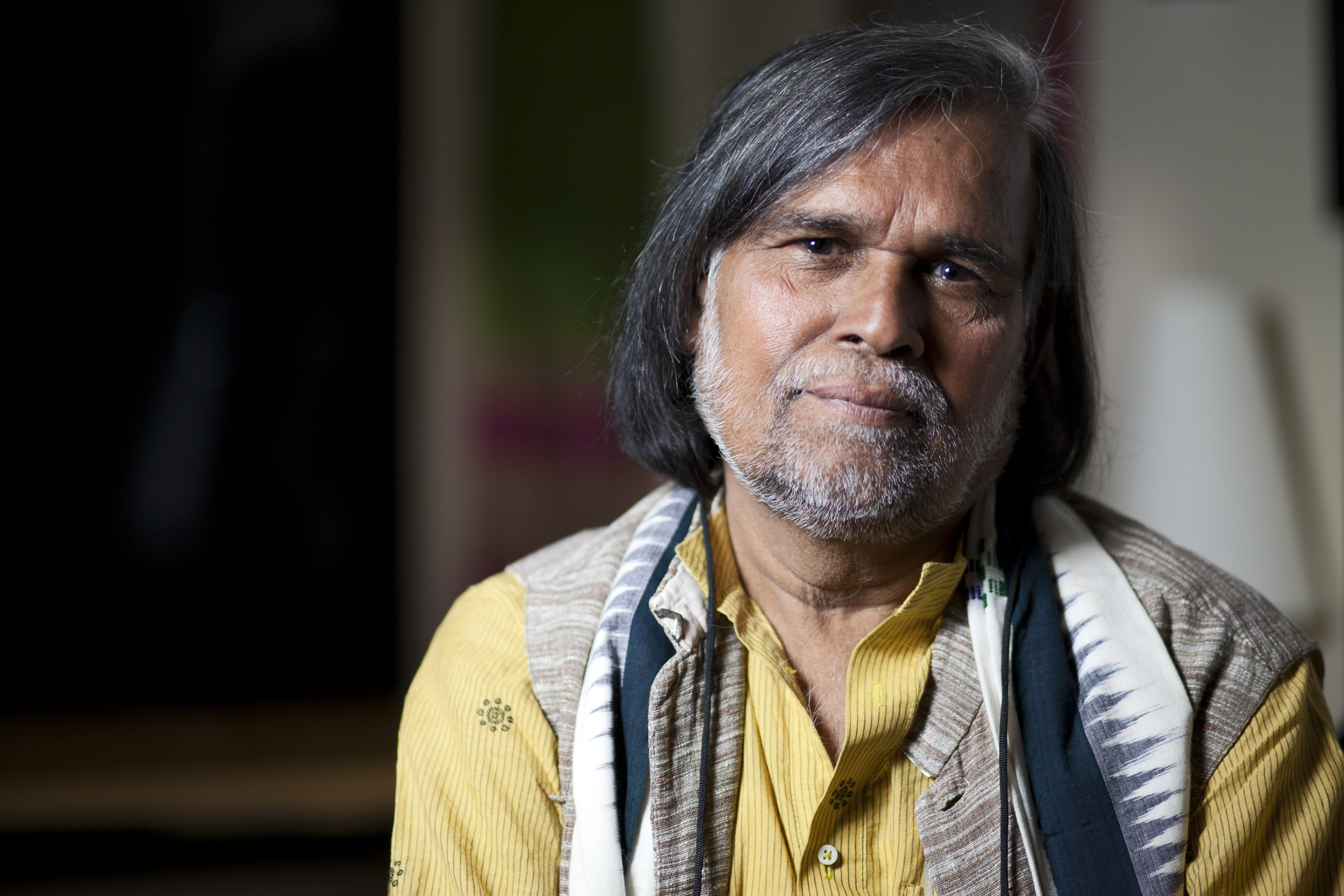
2017 Goldman Environmental Prize winner Prafulla Samantara (Photo: Goldman Environmental Prize)

Samantara's advocacy affirmed India's indigenous people the right to say no to mining on their land. (Photo: Goldman Environmental Prize)

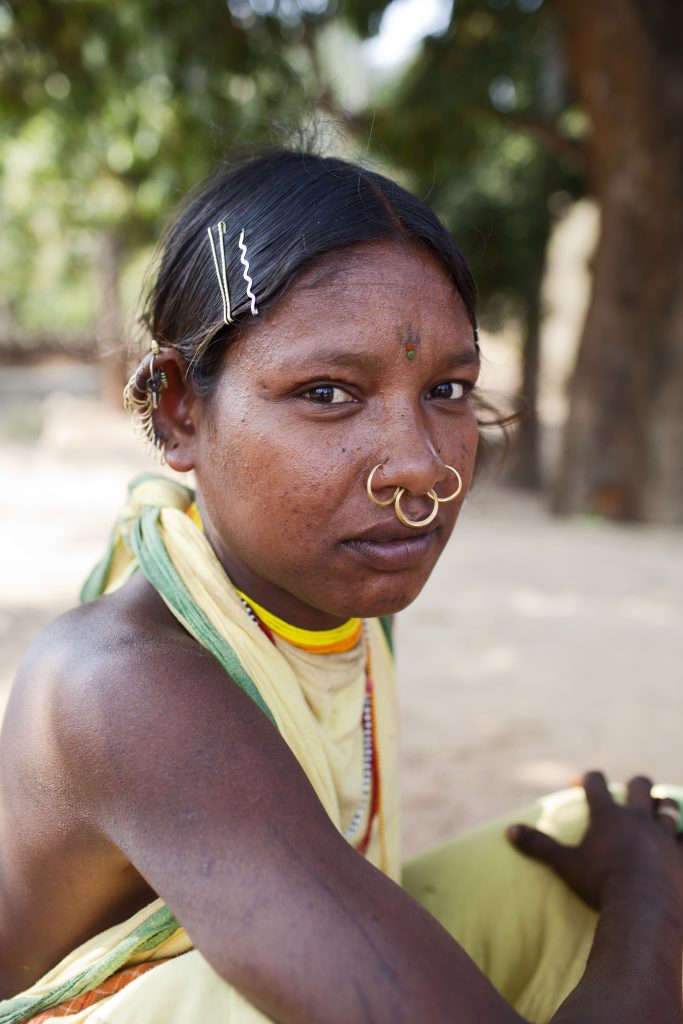
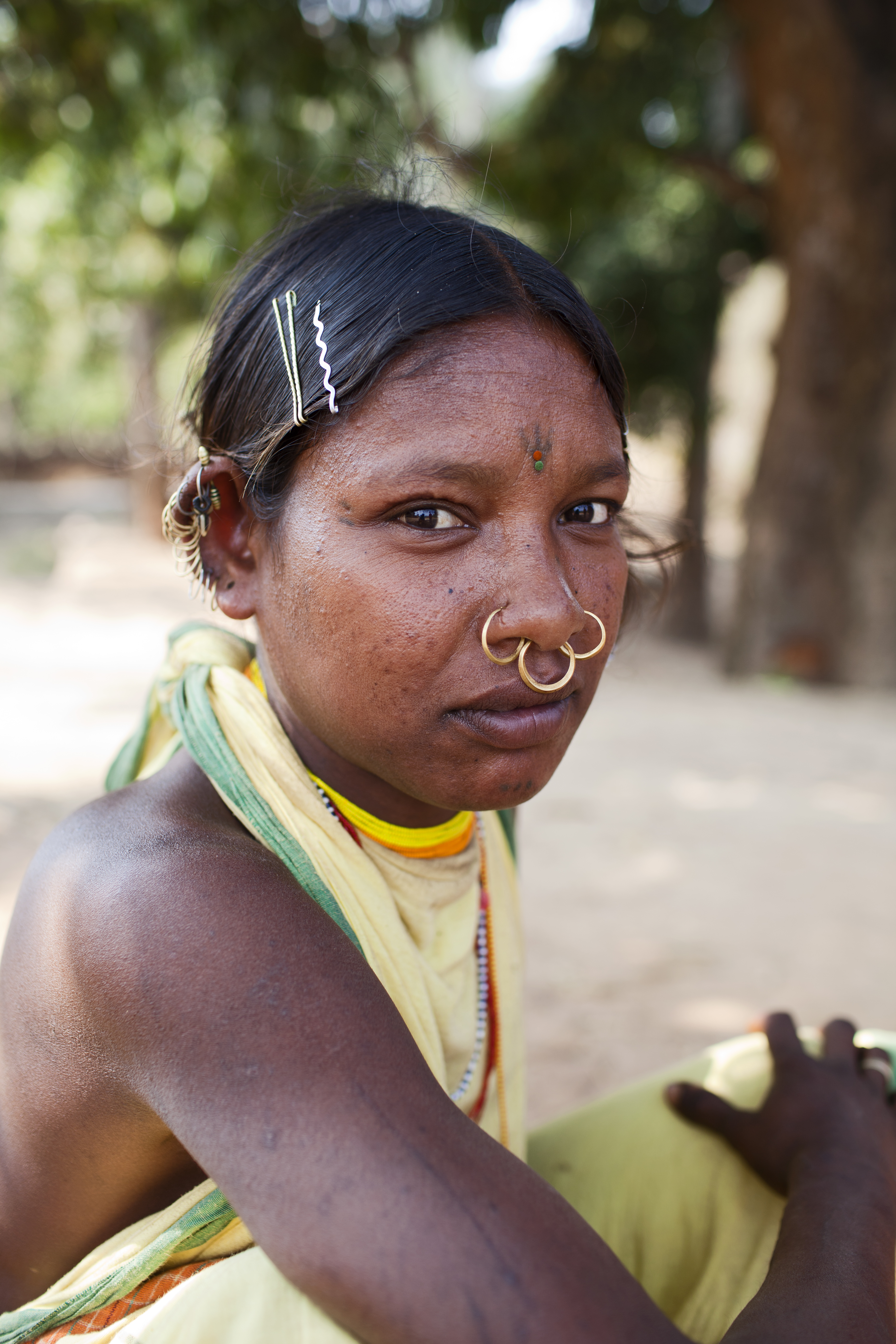
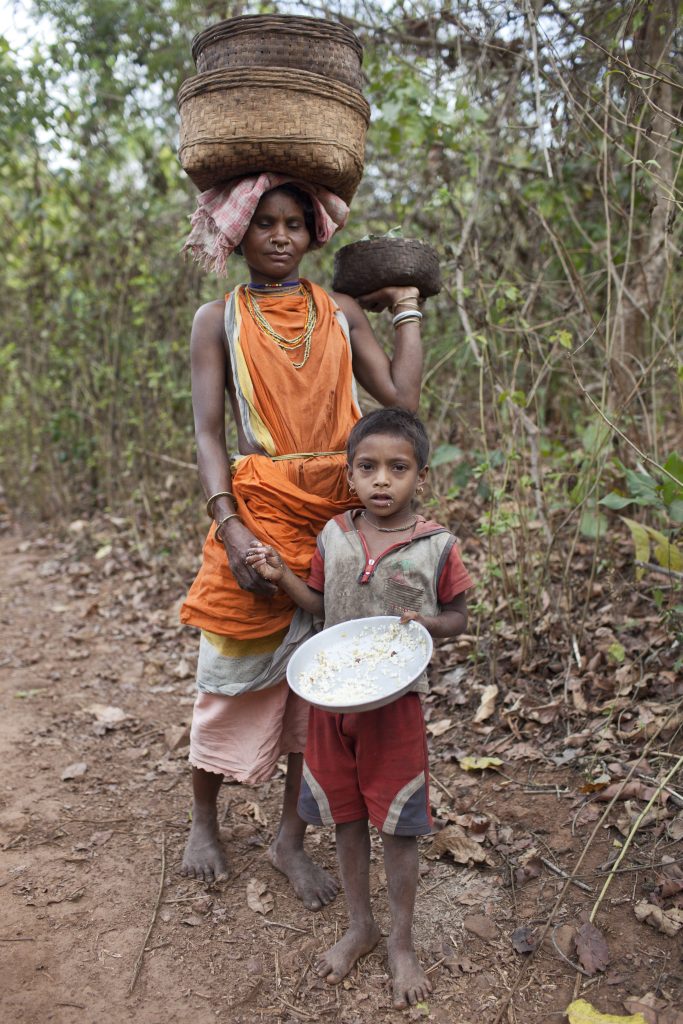
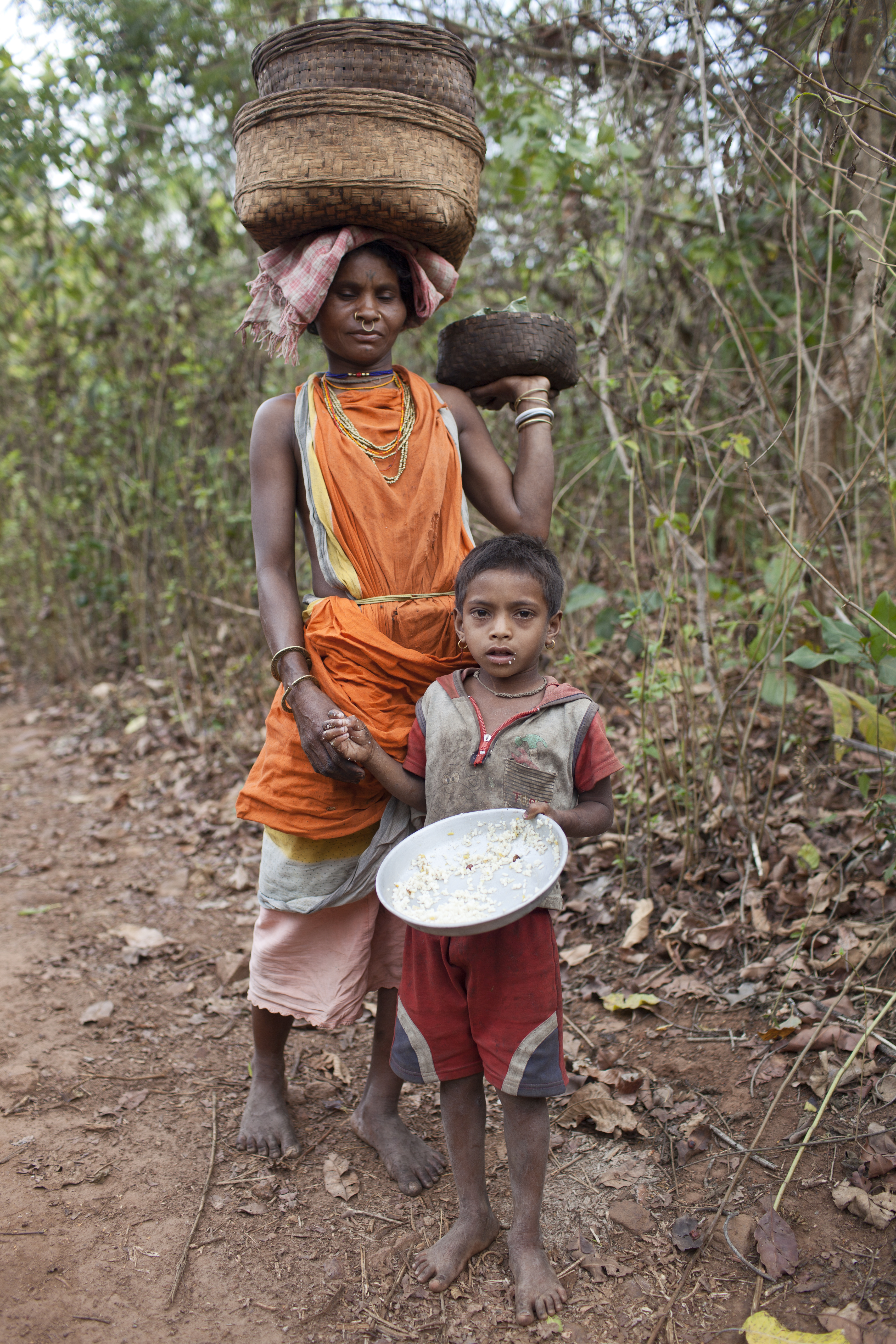
The indigenous Dongria Kondh are renowned fruit farmers with an enclyclopedic knowledge of the Niyamgiri Hills' forests. (Photo: Goldman Environmental Prize)

The tribe’s relationship with the land goes beyond survival; the Niyamgiri Hills are sacred and as such, the Dongria consider themselves to be its protectors. (Photo: Goldman Environmental Prize)

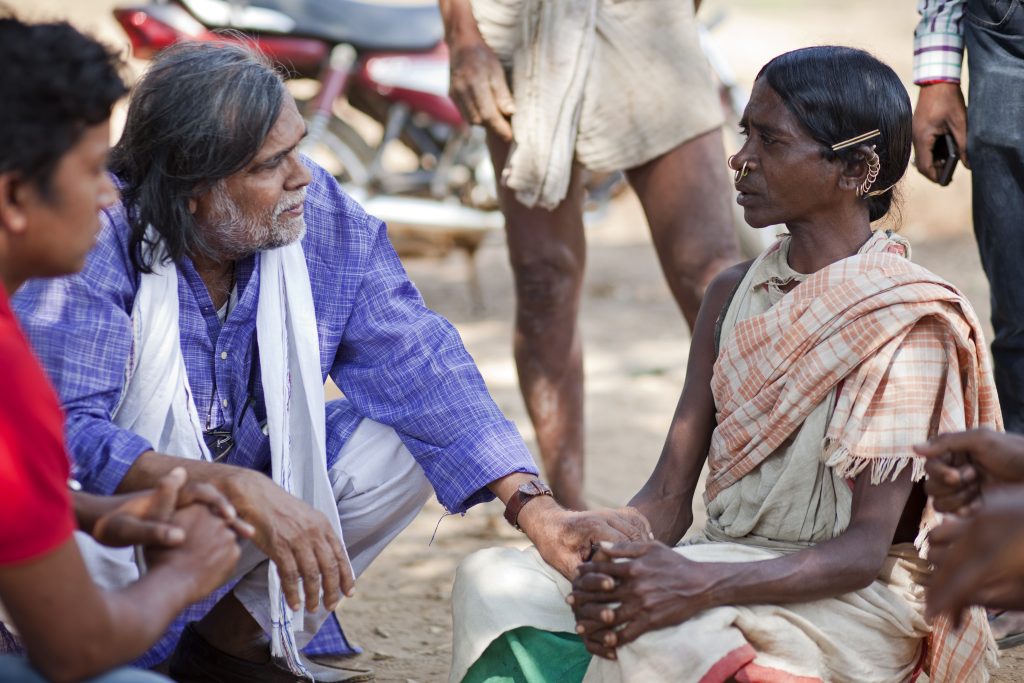
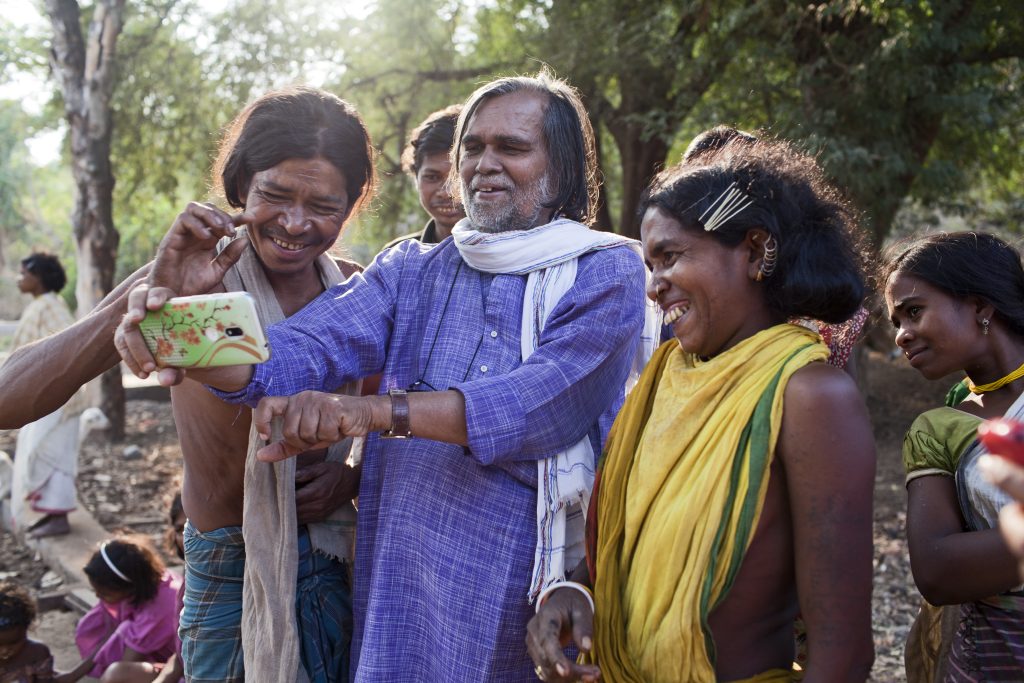
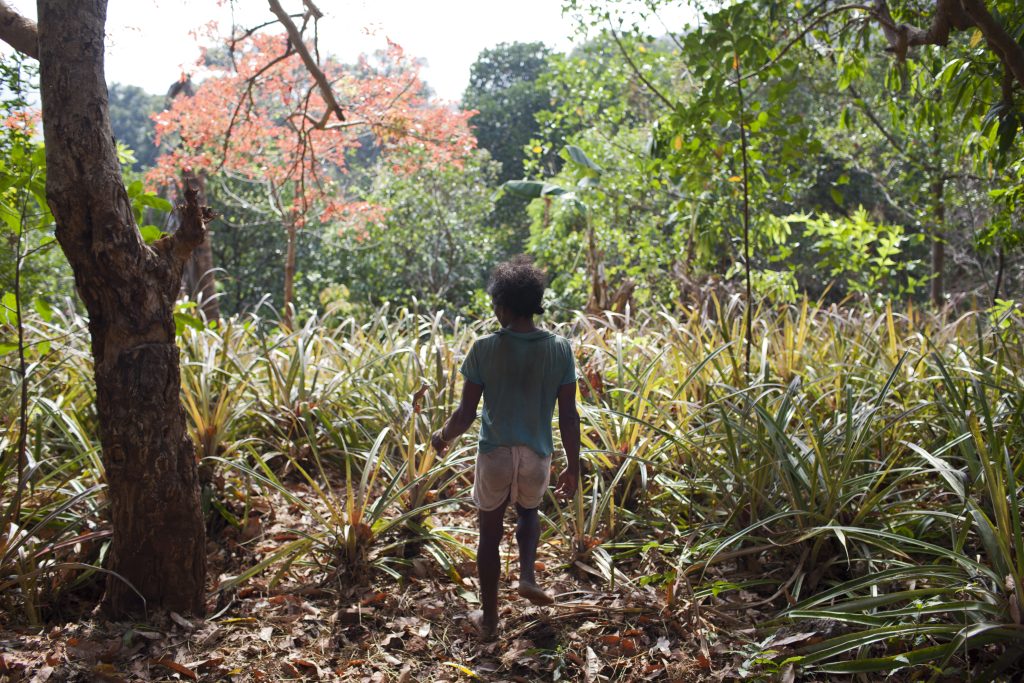
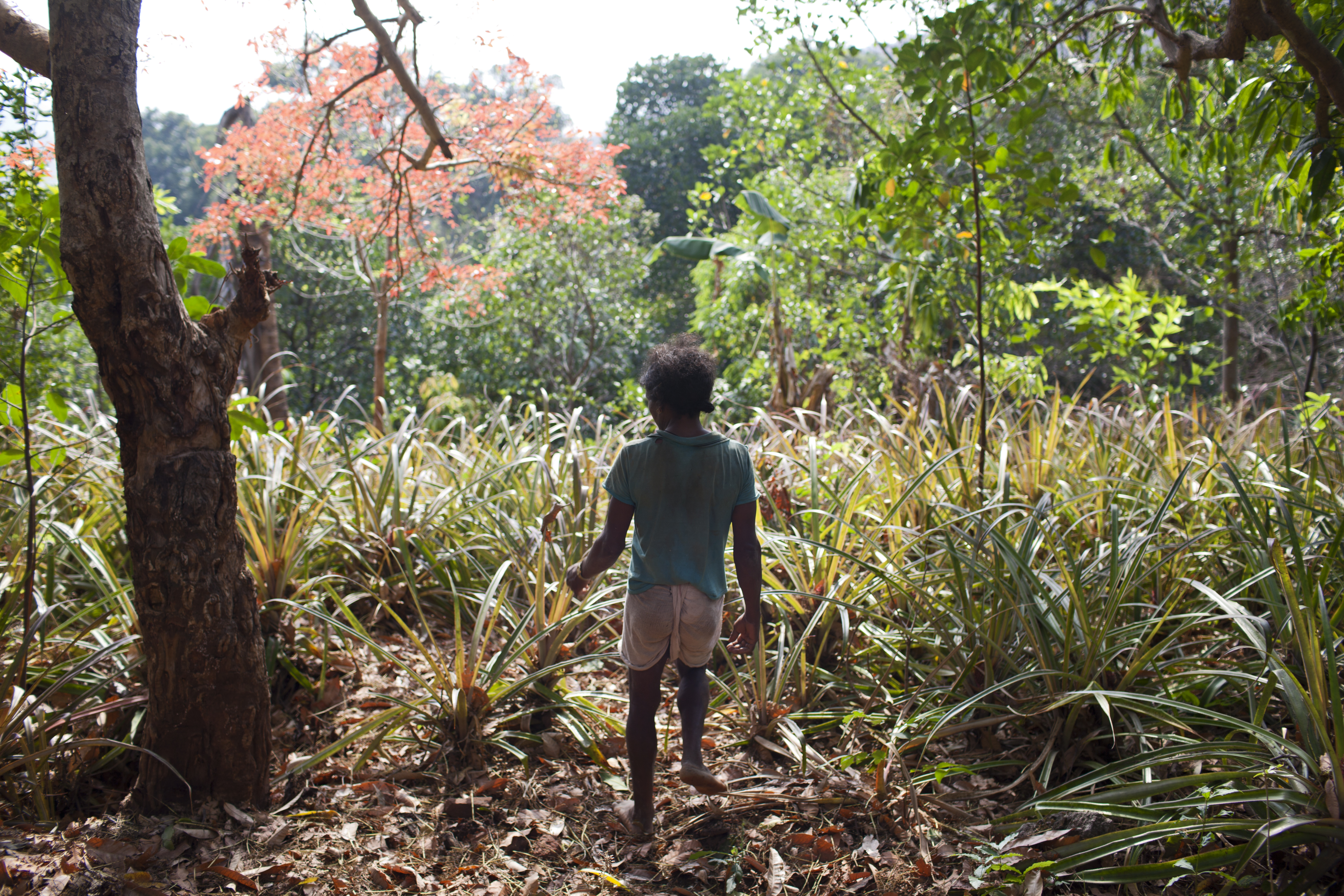
Samantara went village to village to alert the Dongria Kondh that their land was being given away to a bauxite mine. (Photo: Goldman Environmental Prize)

Samantara felt a responsibility to help the isolated Dongria Kondh, who do not understand English or have access to computers. (Photo: Goldman Environmental Prize)

At the banks of the Nagavali River, Samantara reflects on his life's mission to protect nature and the lives of those who serve as its guardians. (Photo: Goldman Environmental Prize)

Samantara filed a petition with India's Supreme Court, becoming the first citizen to use the legal system in an attempt to halt the Vedanta mine. (Photo: Goldman Environmental Prize)

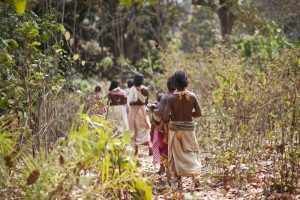
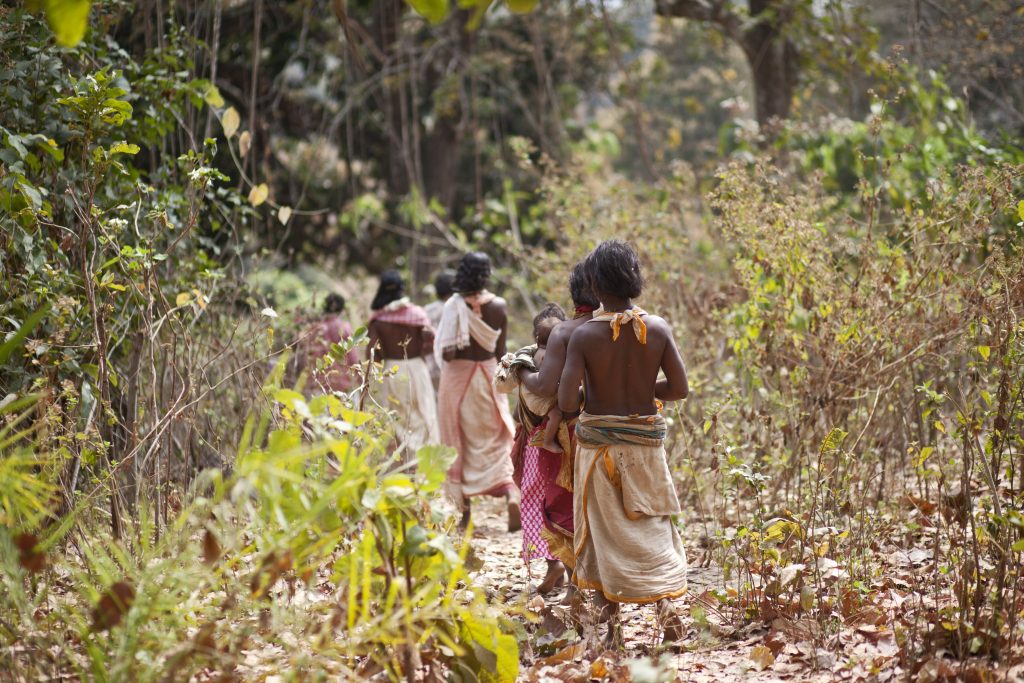
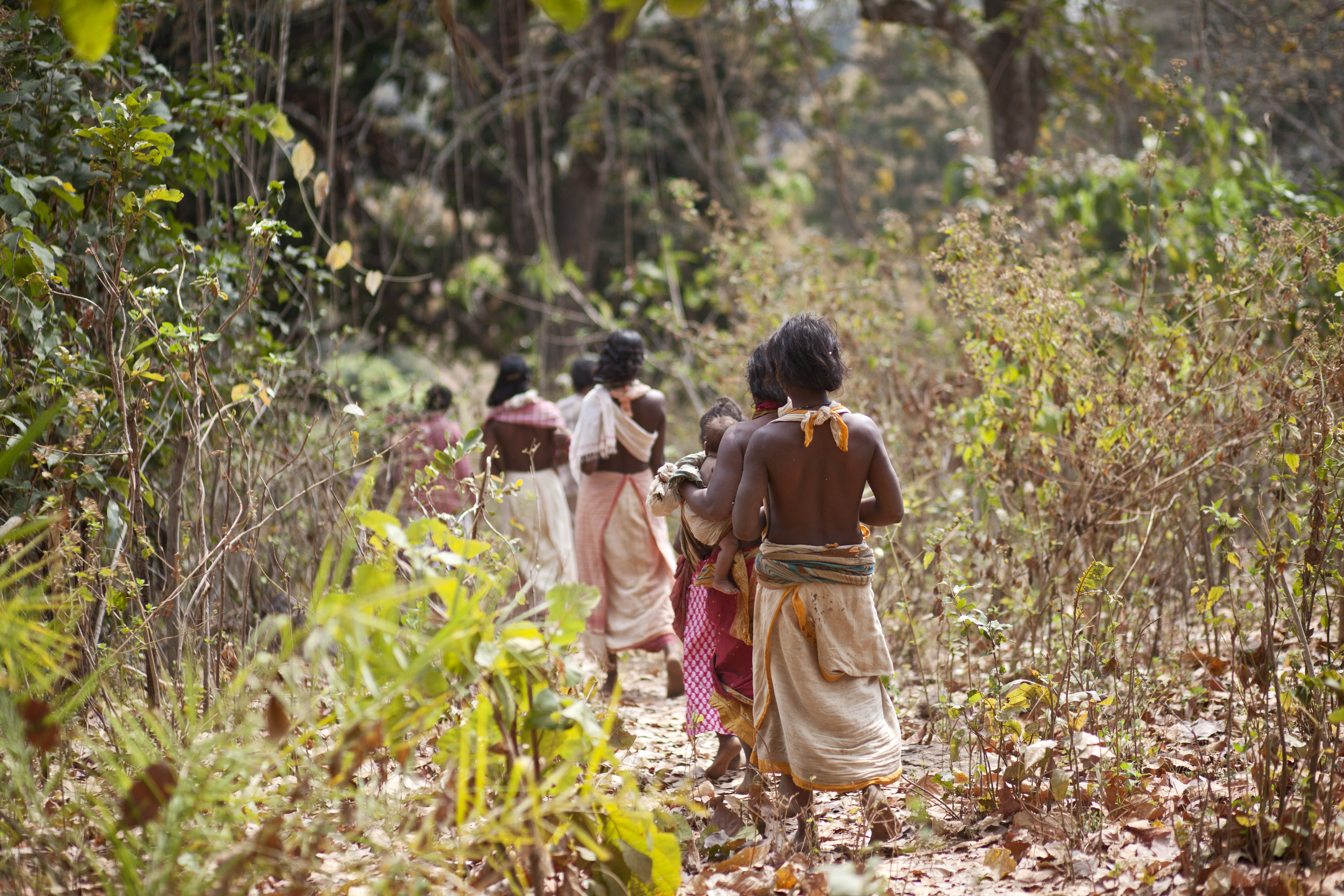
A Dongria Kondh woman and her son carry Mahua flowers they collected in the forest back to their village in the Niyamgiri Hills. (Photo: Goldman Environmental Prize)

Samantara's 12-year legal battle ended with a historic ruling that empowered indigenous communities to have the final say in mining projects on their land. (Photo: Goldman Environmental Prize)

In 2016, the Supreme Court denied an appeal to revive the mine, leaving the Niyamgiri Hills’ future safely in the Dongria Kondh’s hands. (Photo: Goldman Environmental Prize)

The 2017 Goldman Environmental Prize Winners

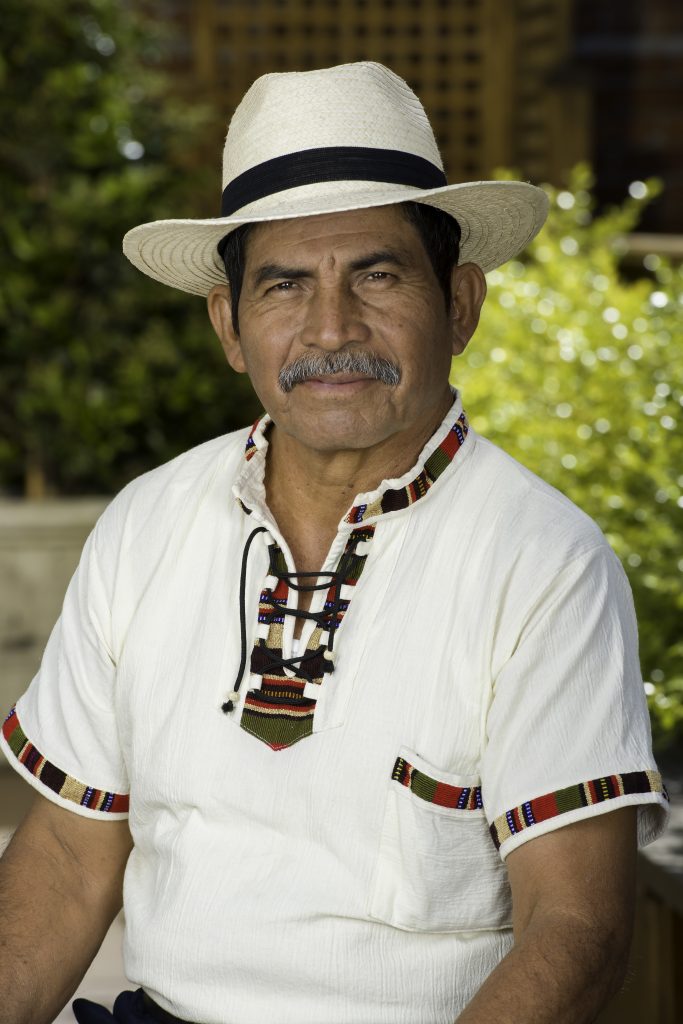
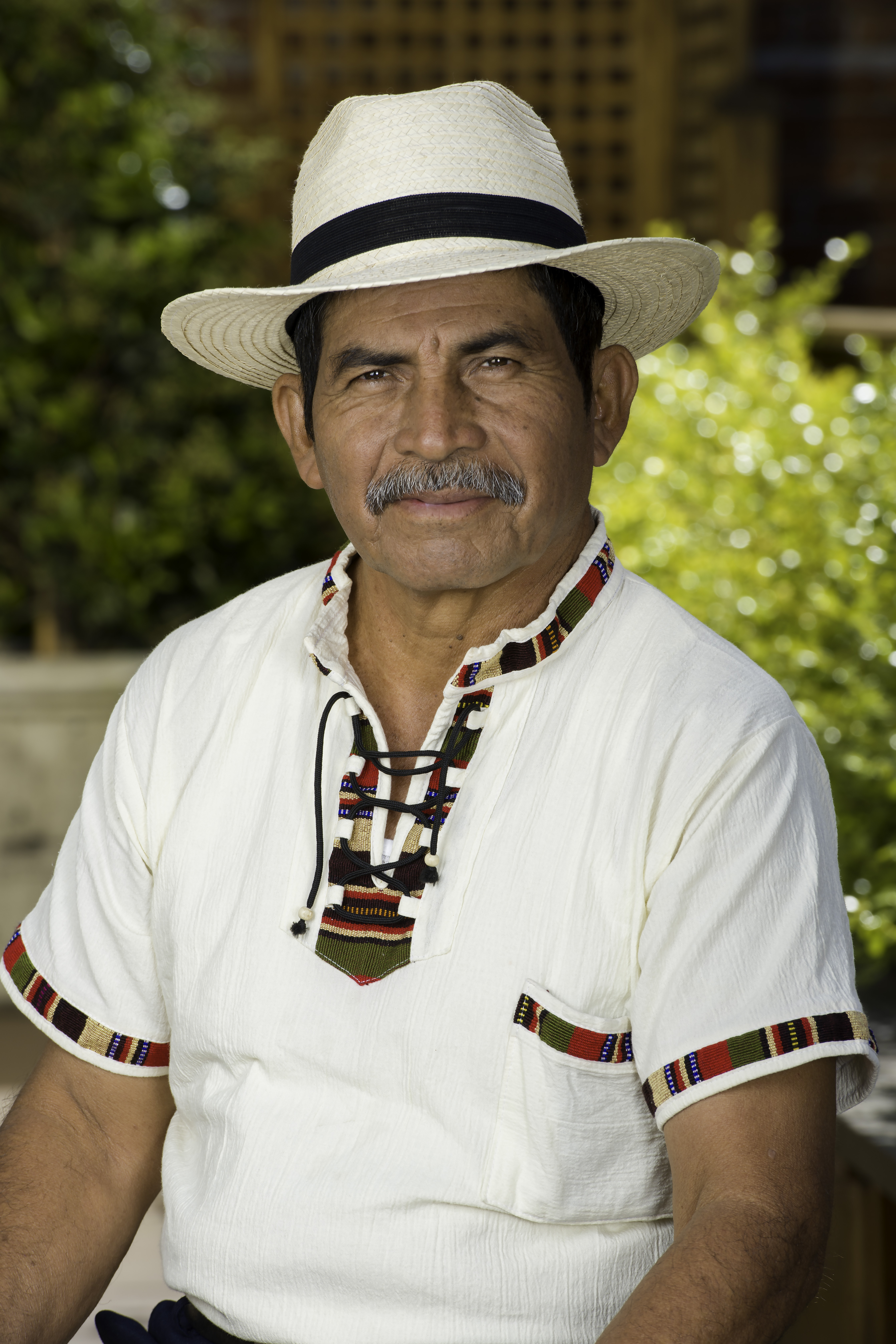
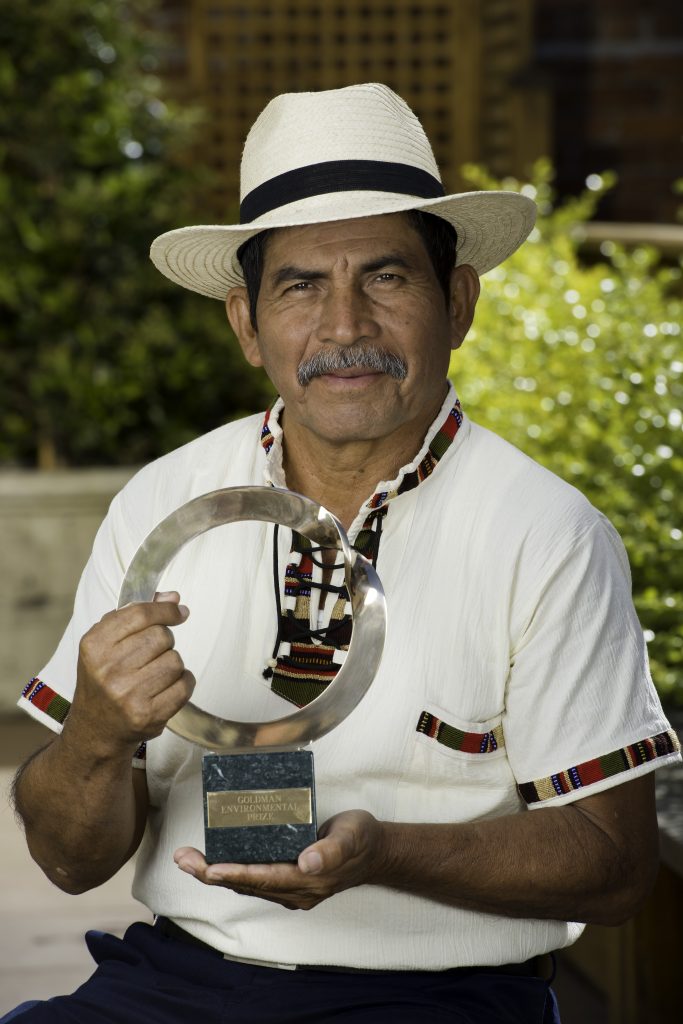
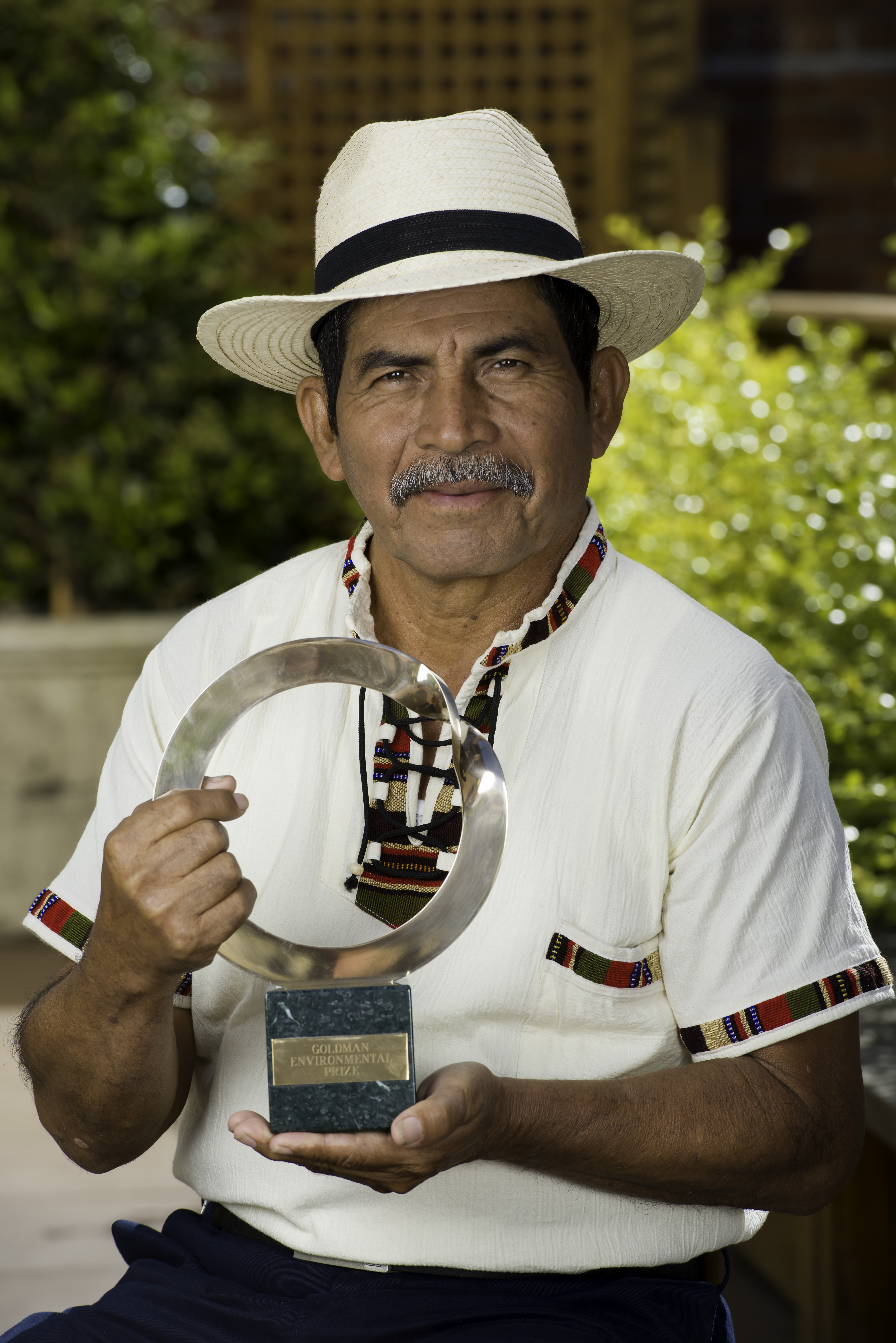
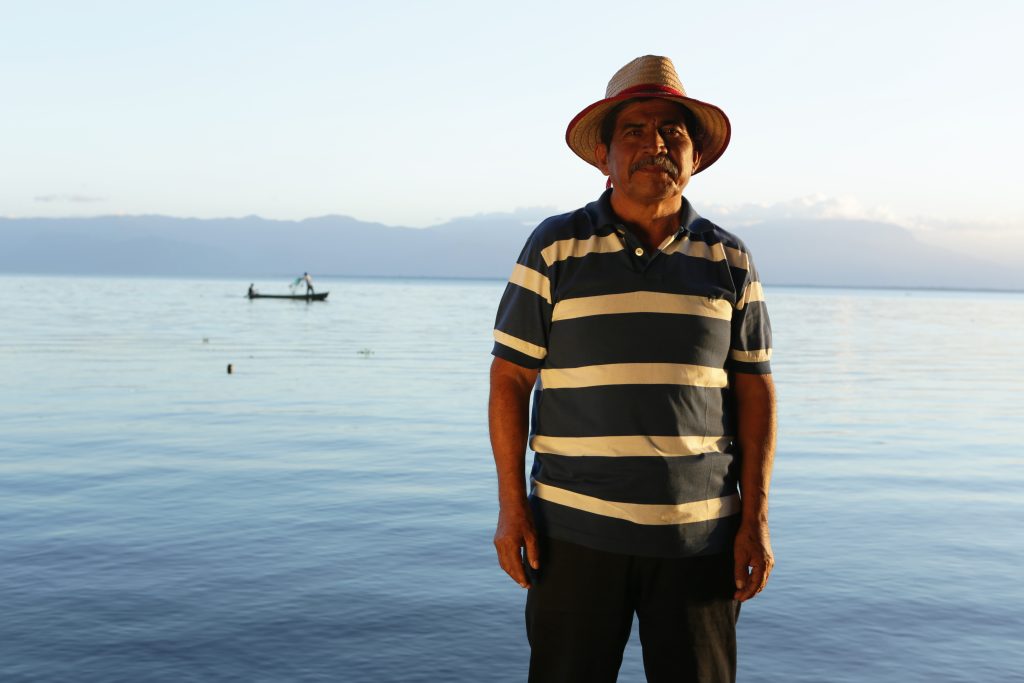
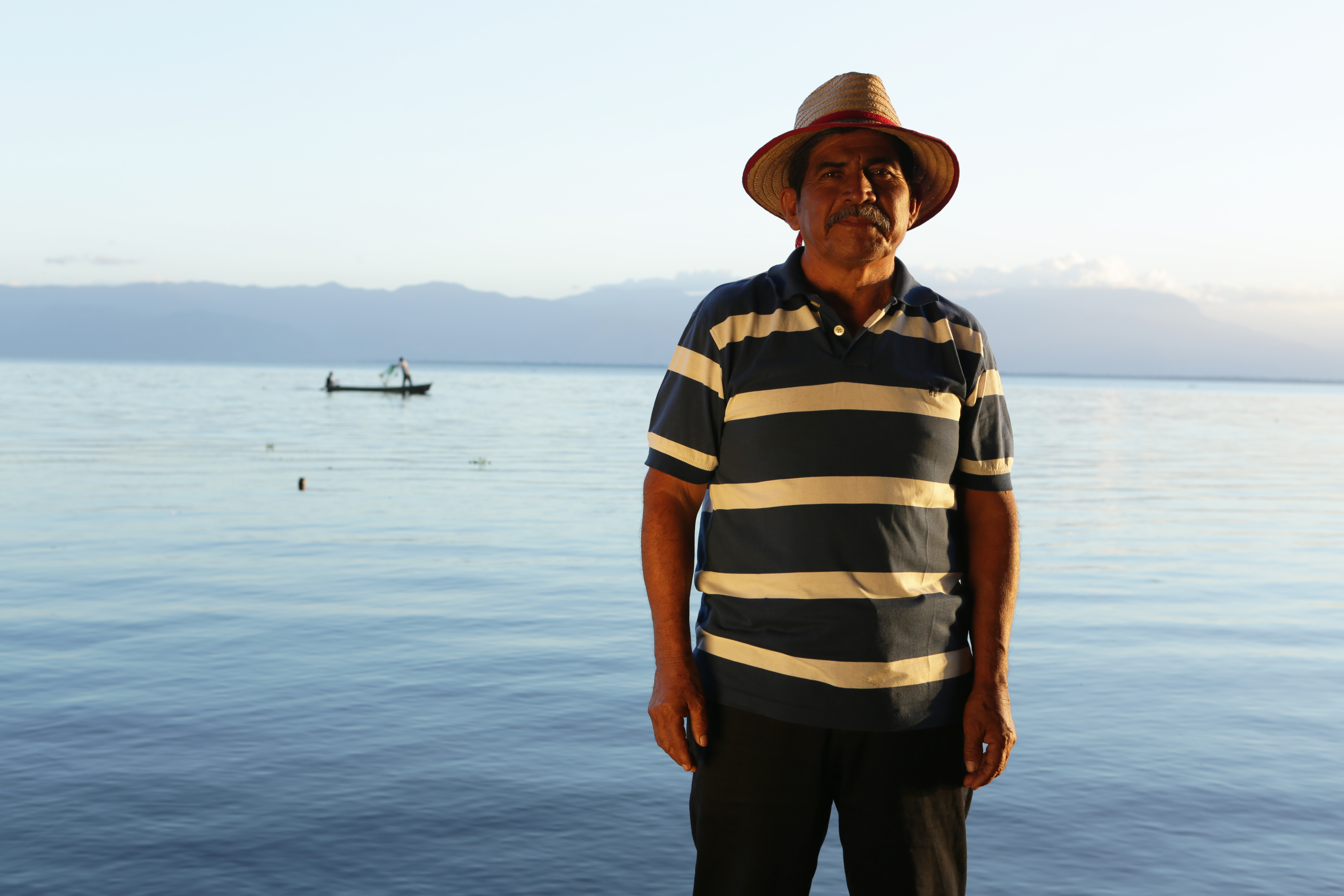
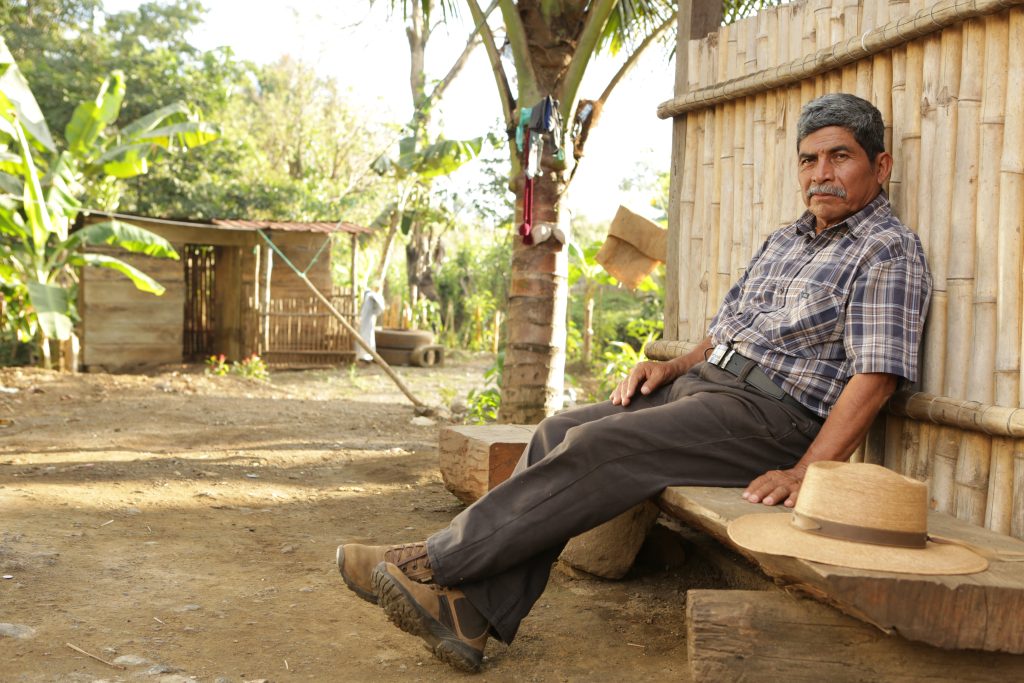
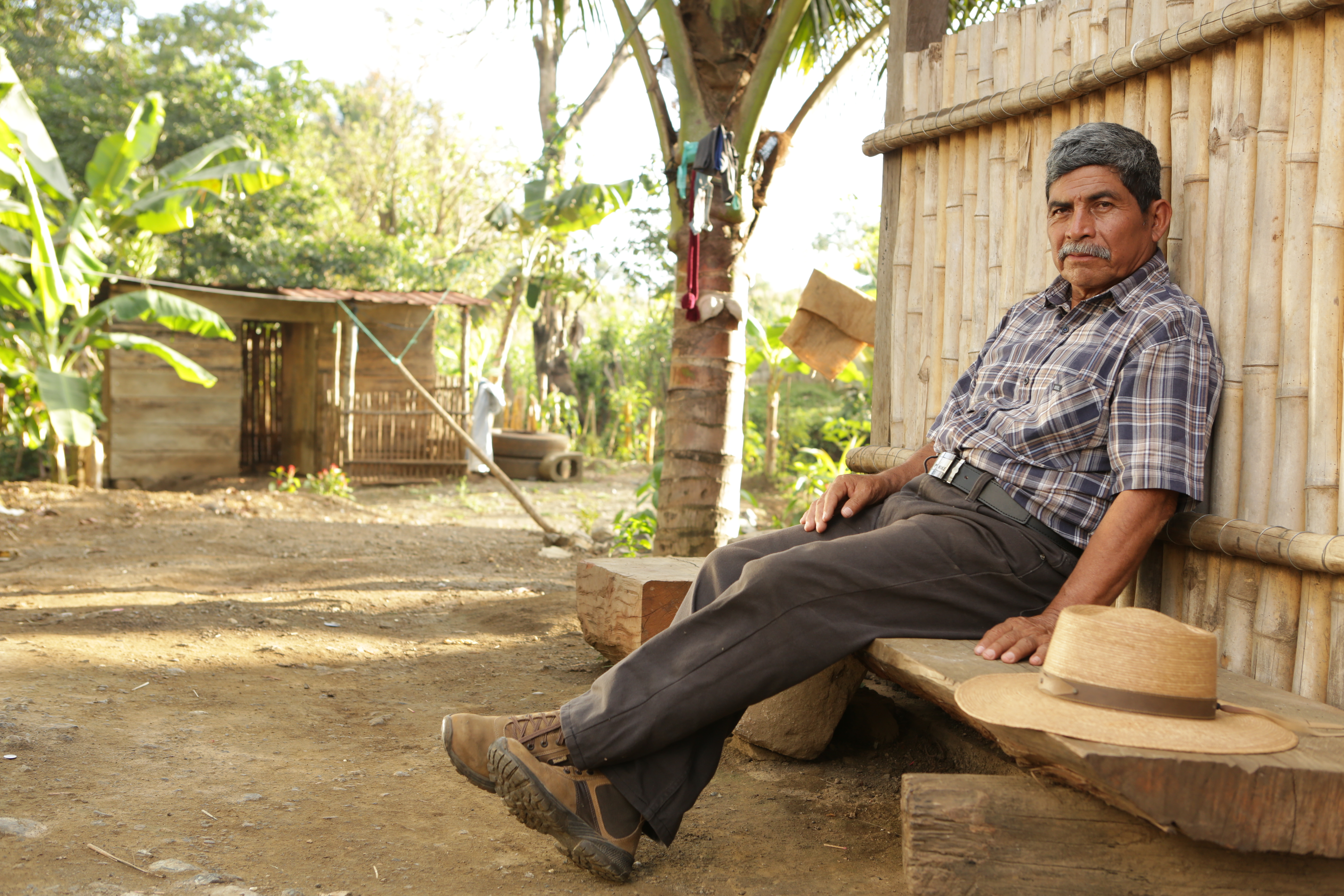
2017 Goldman Environmental Prize winner Rodrigo Tot (Photo: Goldman Environmental Prize)

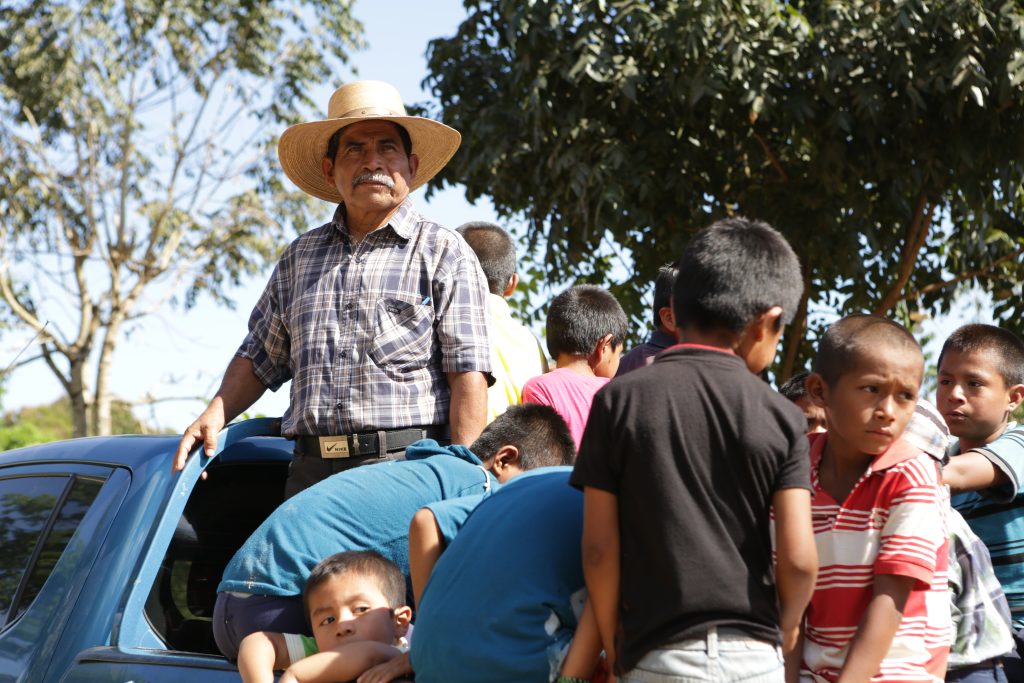
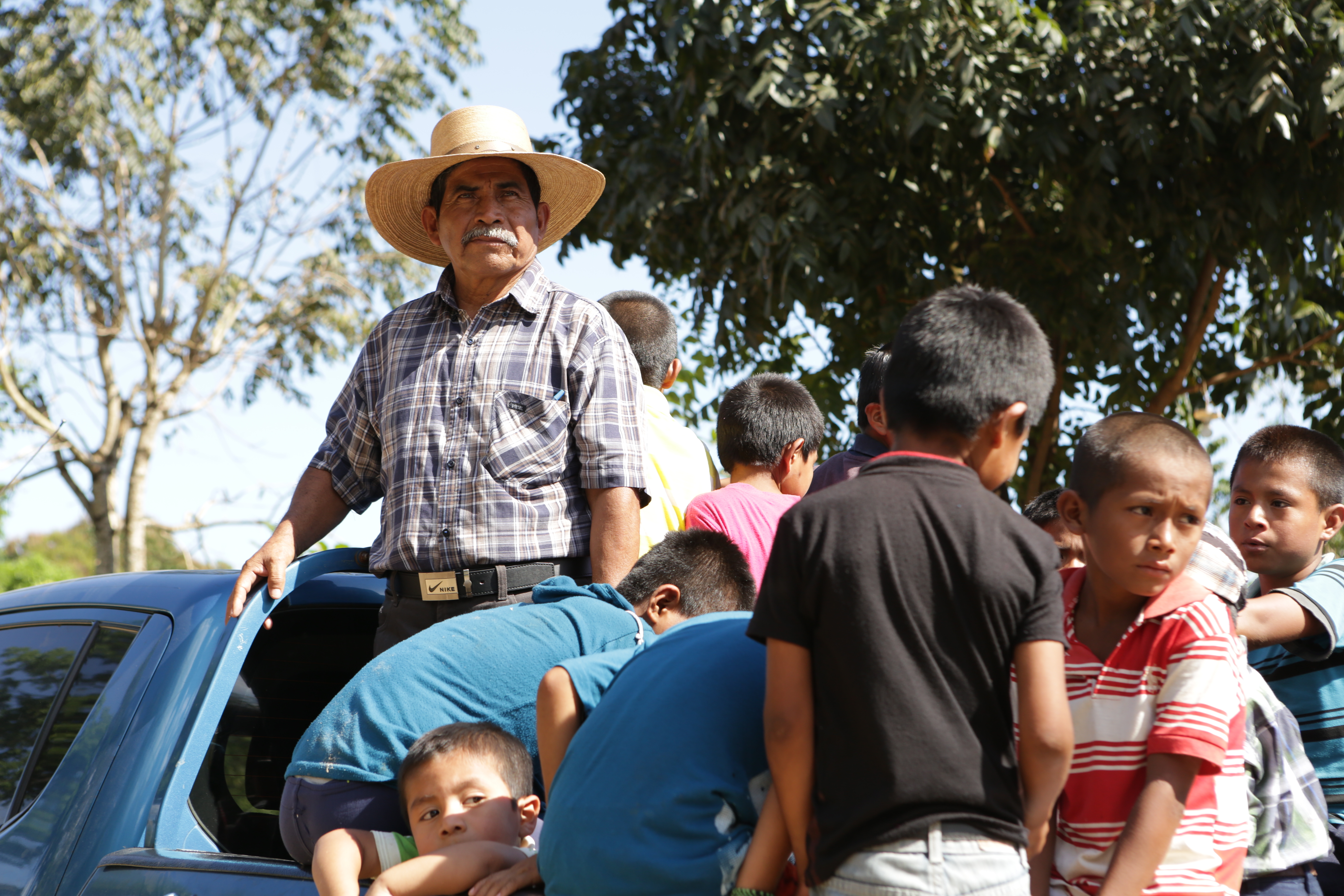
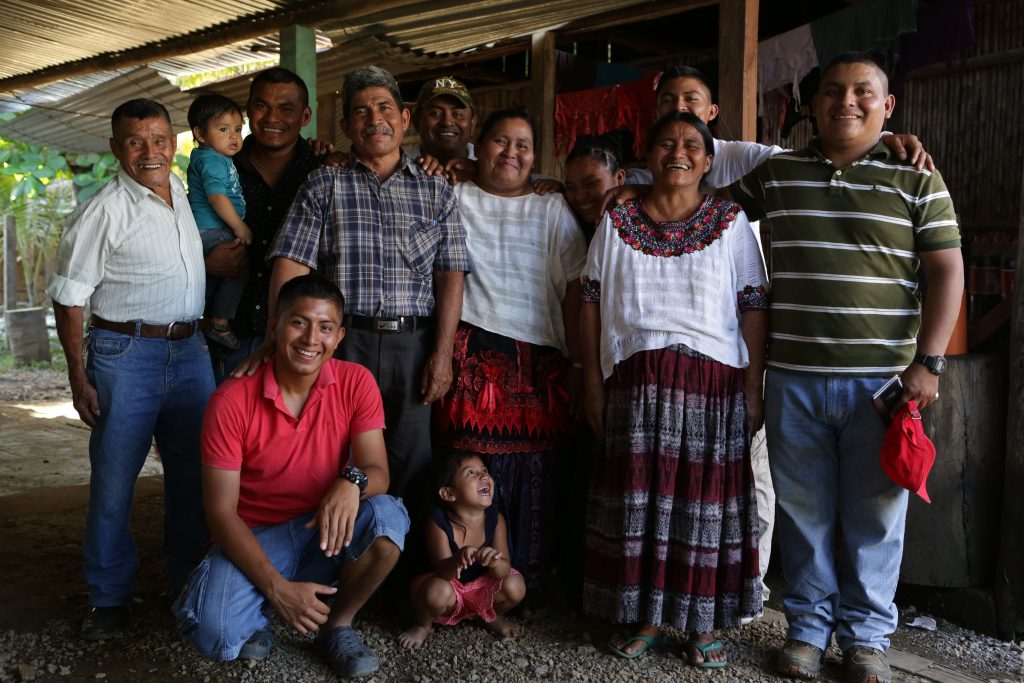
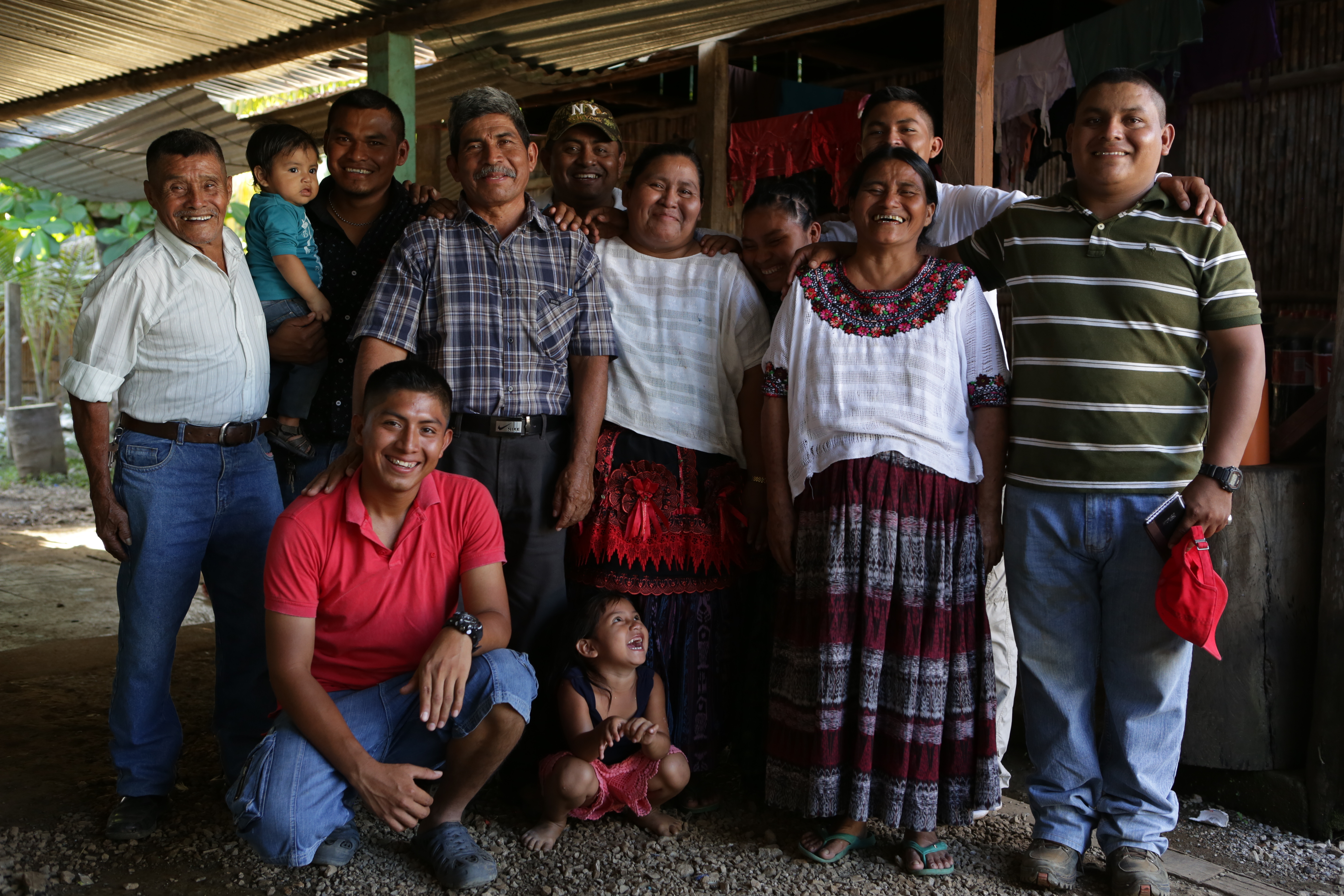
After losing his parents at a young age, Tot moved to Agua Caliente, where he grew up, learned how to farm, got married, and raised his children. (Photo: Goldman Environmental Prize)

Lake Izabal and its surrounding land in El Estor are a place of vital importance to the indigenous Q’eqchi people, who maintain their living by farming and fishing. (Photo: Goldman Environmental Prize)

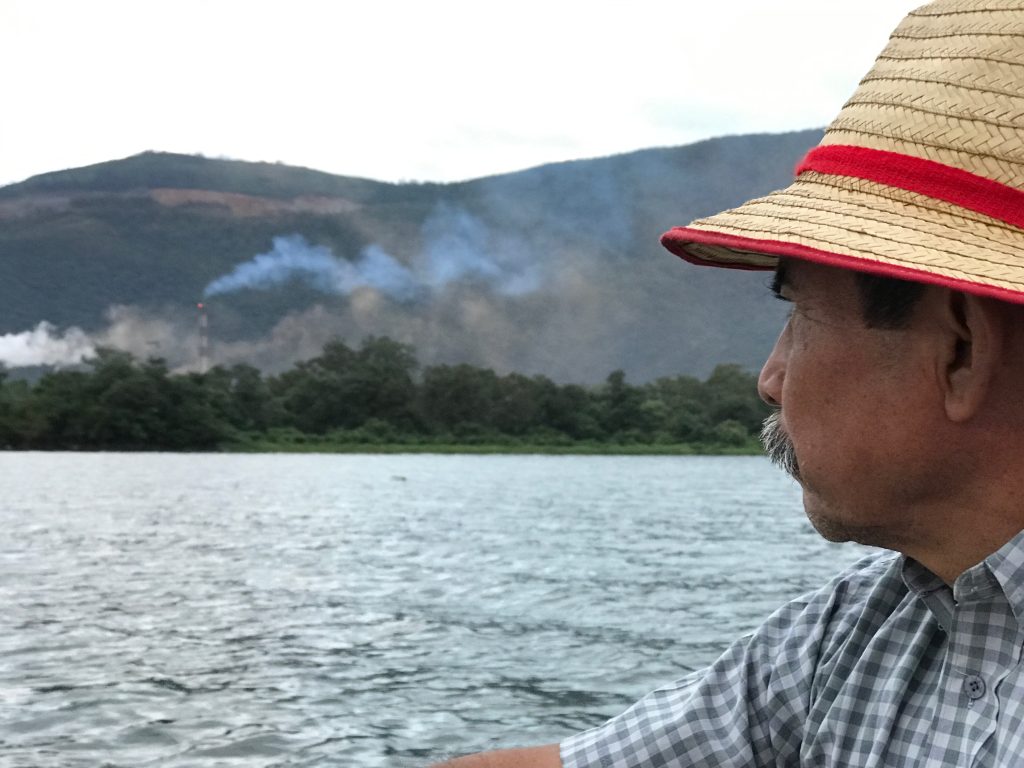
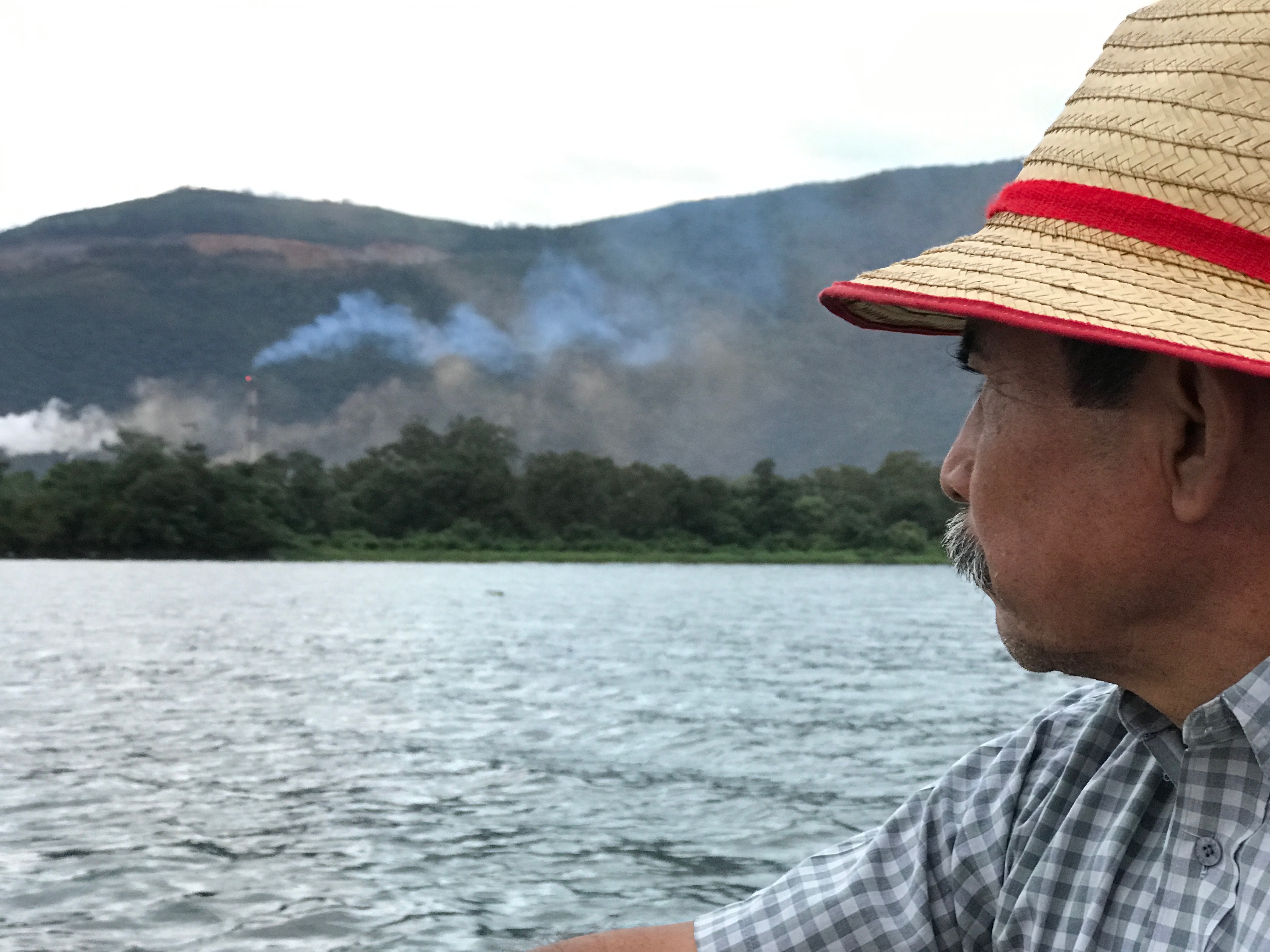
In 2006, a multinational mining company sought to restart a nickel mine in El Estor and expand its operations into the Q'eqchi village of Agua Caliente. (Photo: Goldman Environmental Prize)

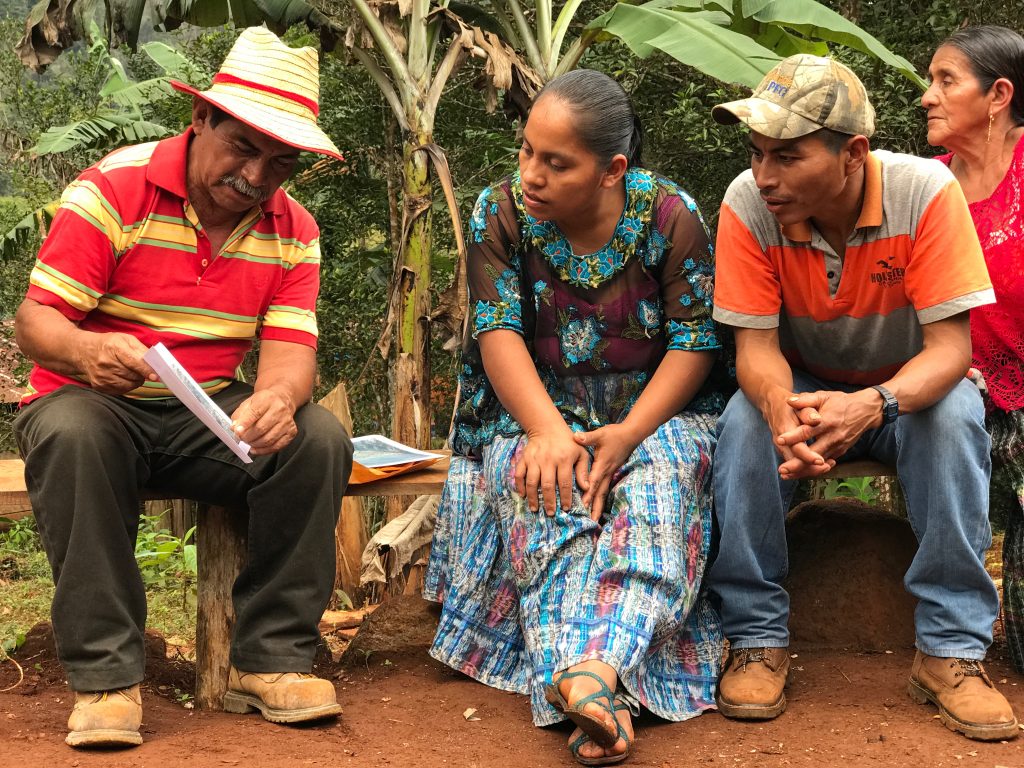
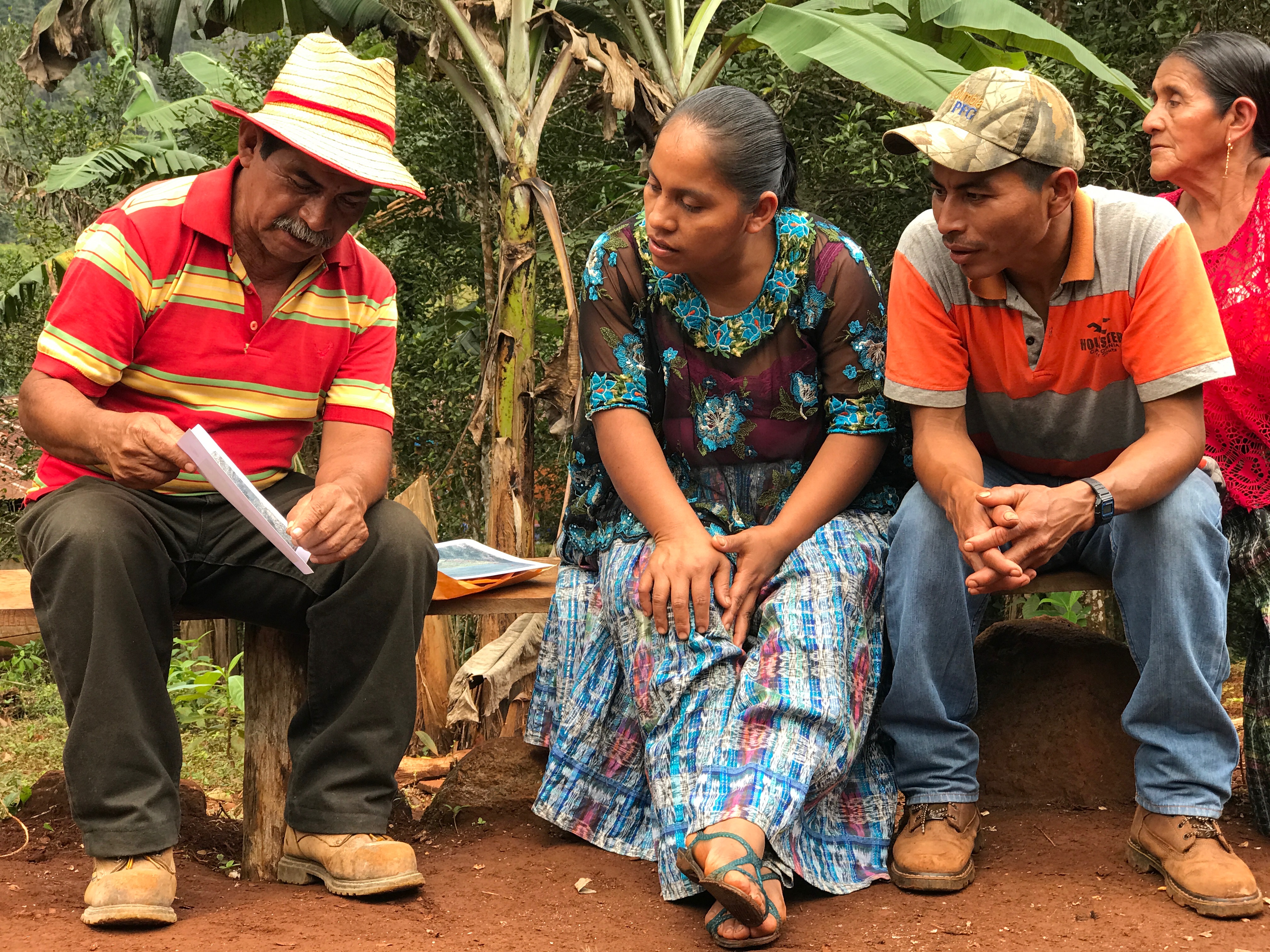
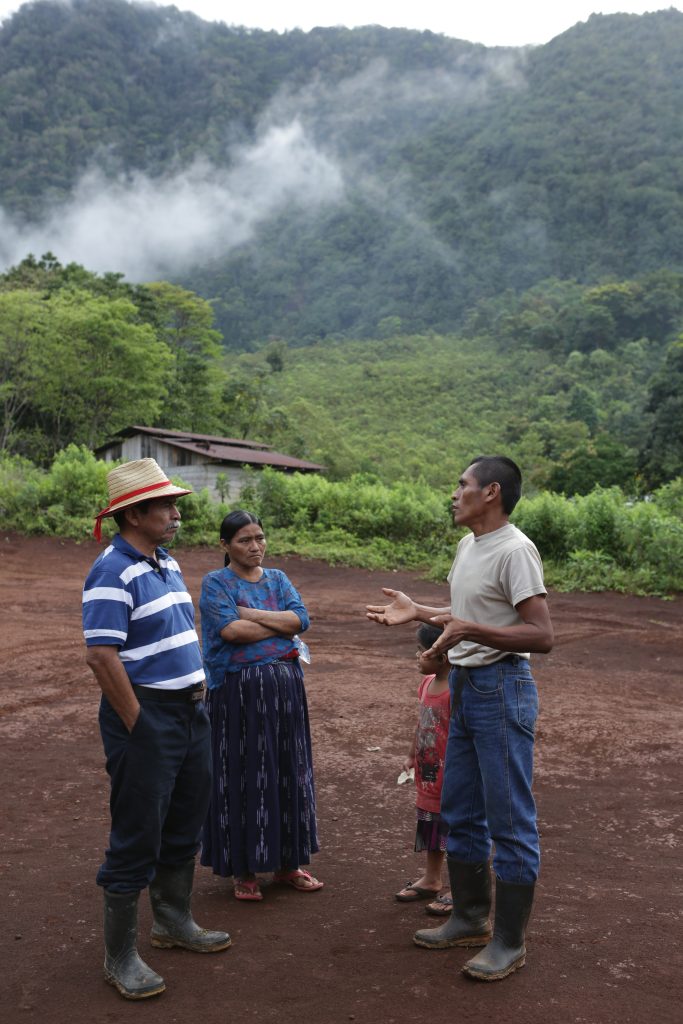
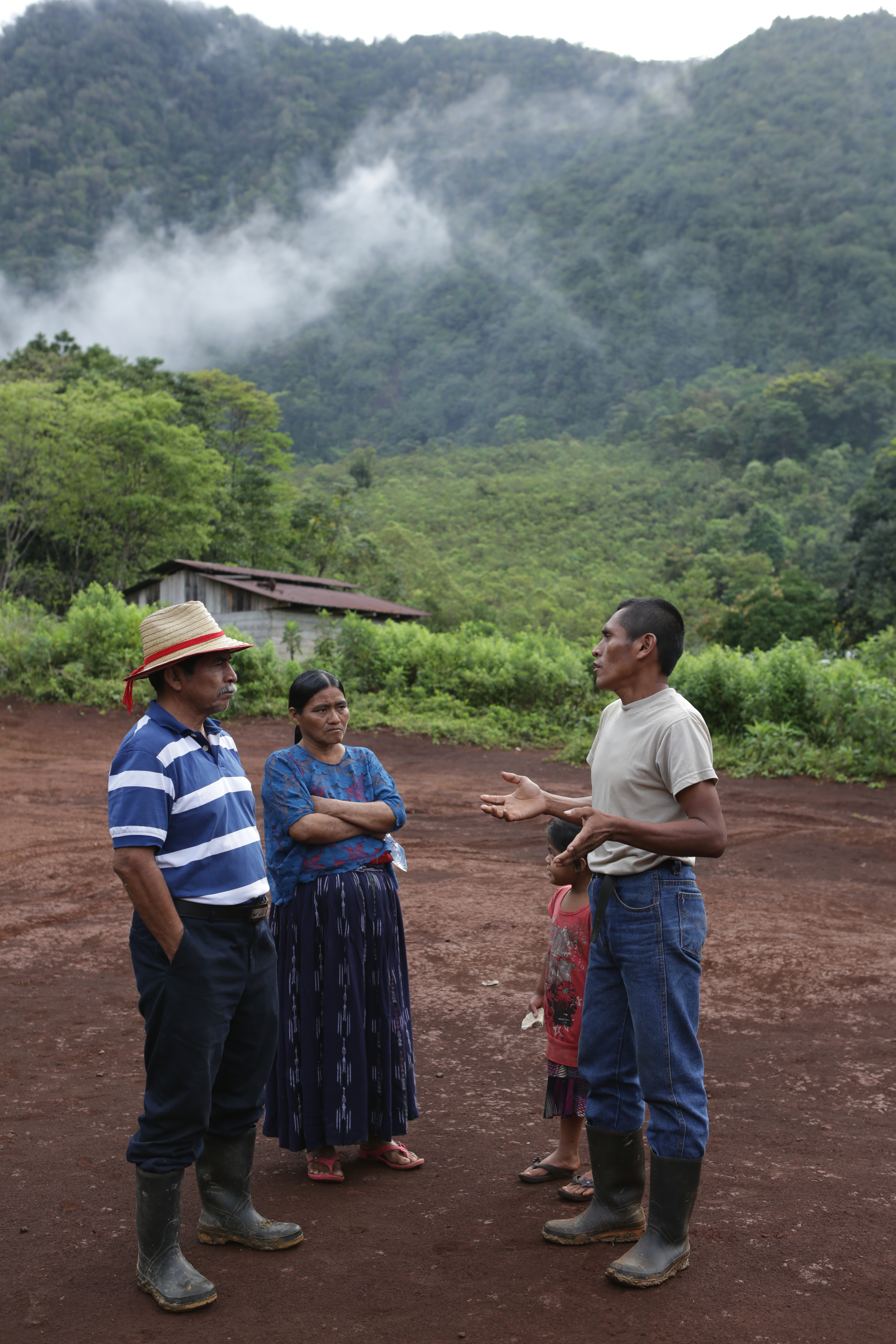
Tot began visiting households in Agua Caliente and gathering evidence of Q'eqchi ownership of the land. (Photo: Goldman Environmental Prize)

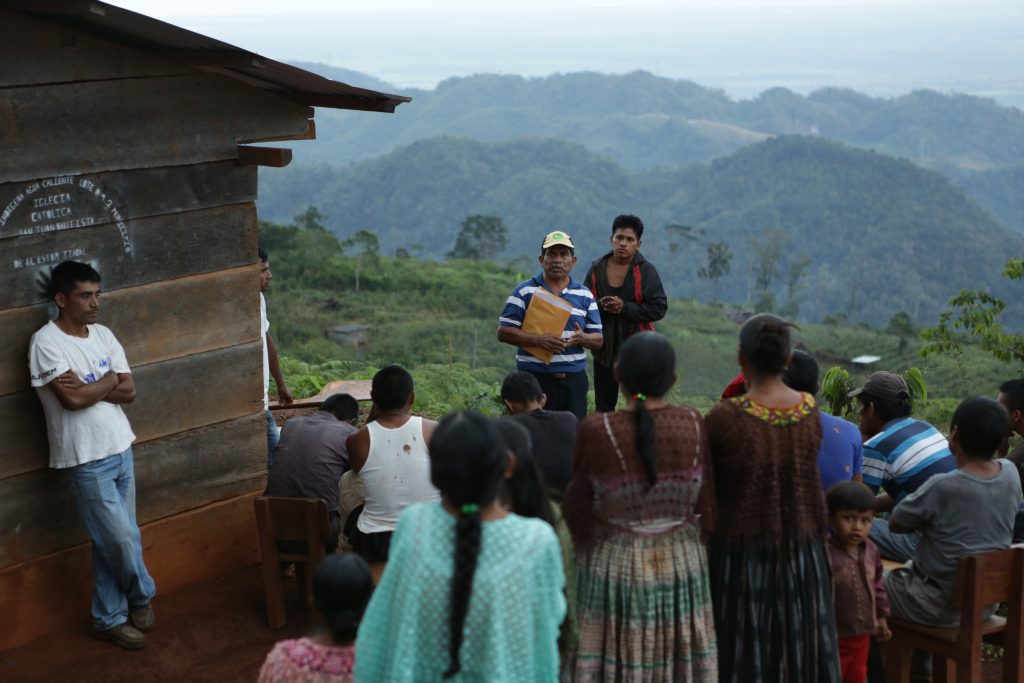
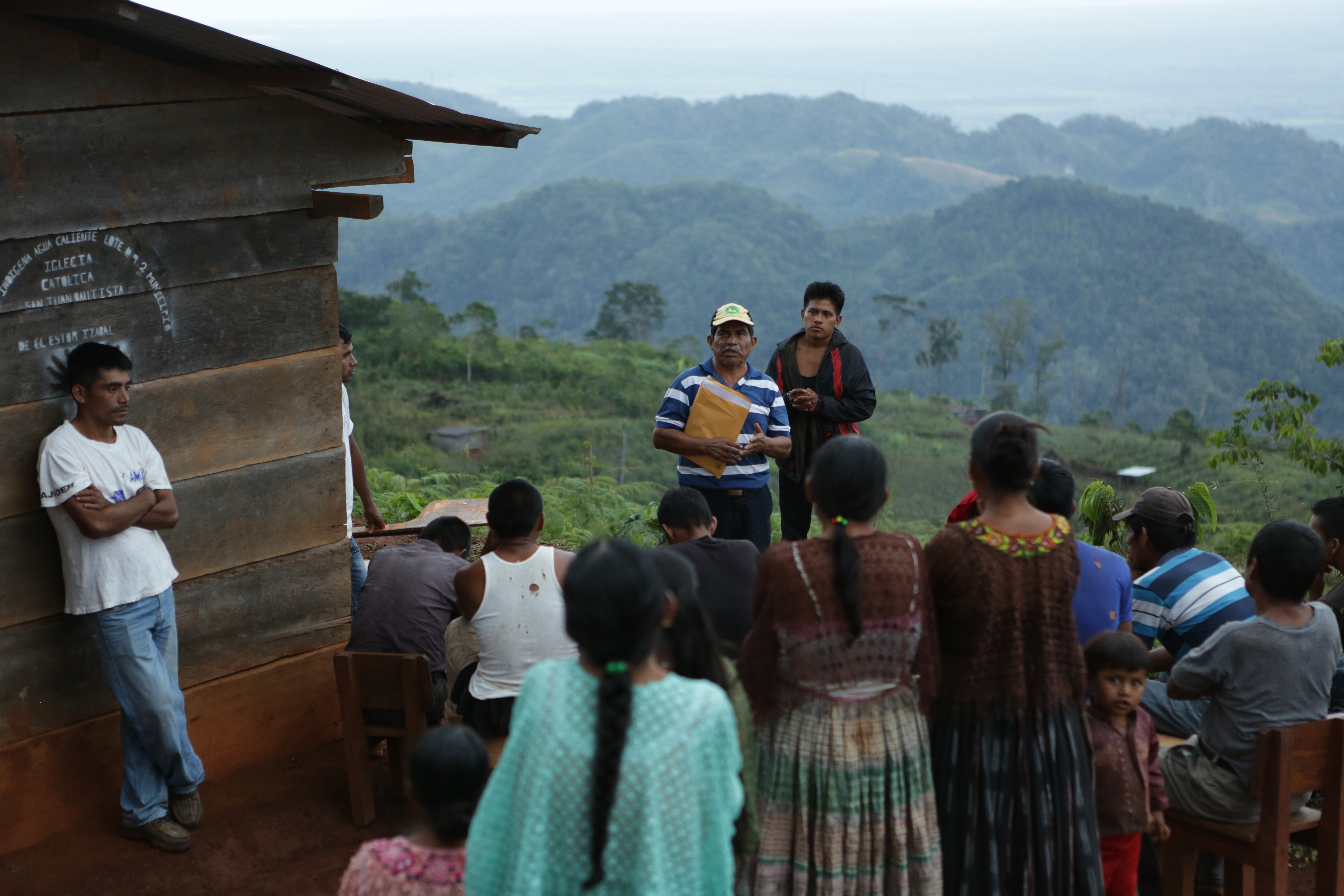
As the elected president of the community of Agua Caliente, Tot brought documents showing Q'eqchi ownership of land to the government and petitioned for land titles. (Photo: Goldman Environmental Prize)

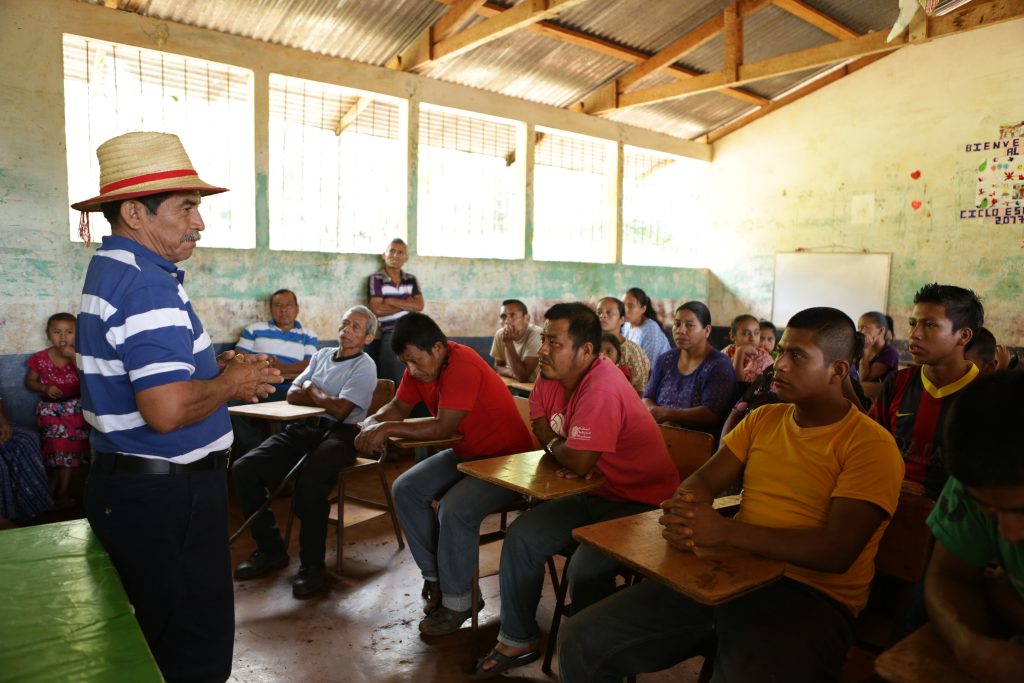
Tot never received a formal education but taught himself to speak Spanish by listening to others—a valuable skill to the Q'eqchi community. (Photo: Goldman Environmental Prize)

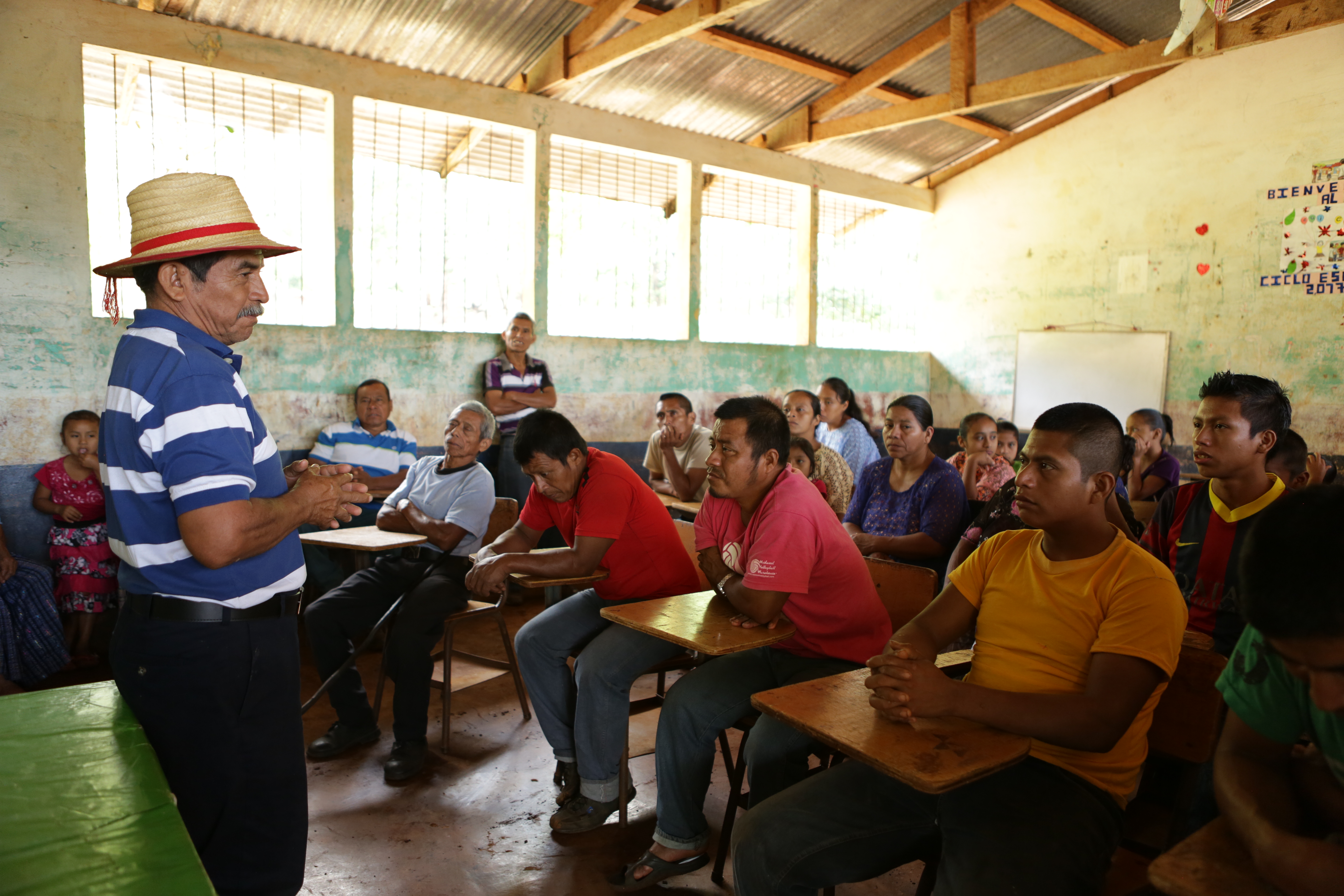
As the land title case made its way through the court, Tot kept Agua Caliente members updated on the legal proceedings, organized meetings to help gather evidence, and fielded questions from villagers. (Photo: Goldman Environmental Prize)

In February 2011,the Constitutional Court ordered the Guatemalan government to replace the missing pages from the registry and issue land titles to the people of Agua Caliente. (Photo: Goldman Environmental Prize)

The victory has come at an enormous personal cost for Tot: One of his sons was shot and killed in 2012 during what appeared to be a staged robbery. (Photo: Goldman Environmental Prize)

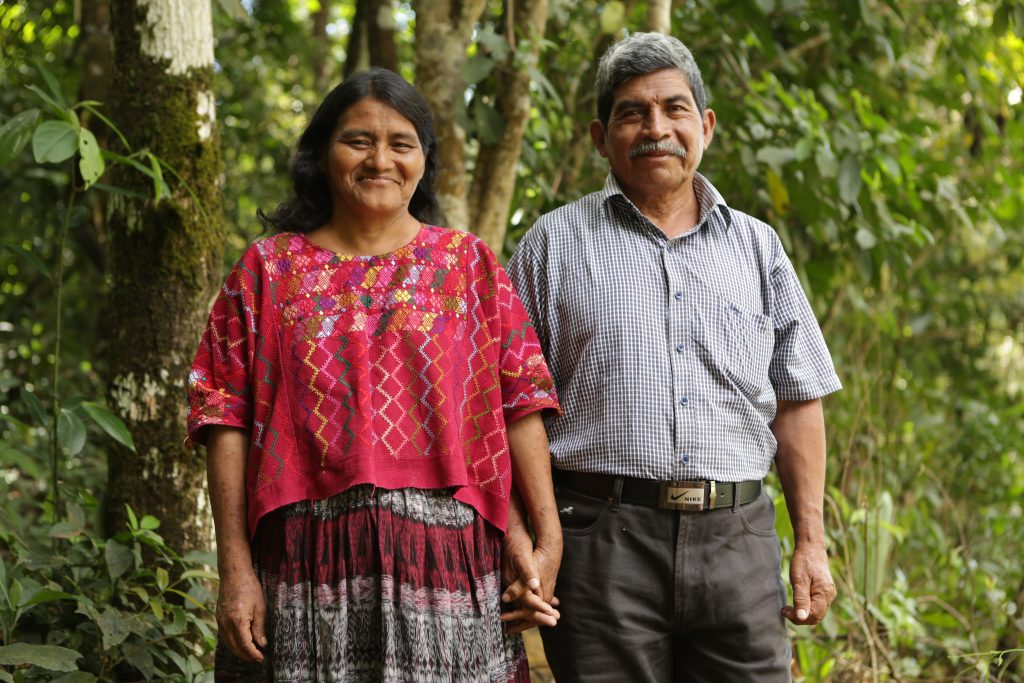
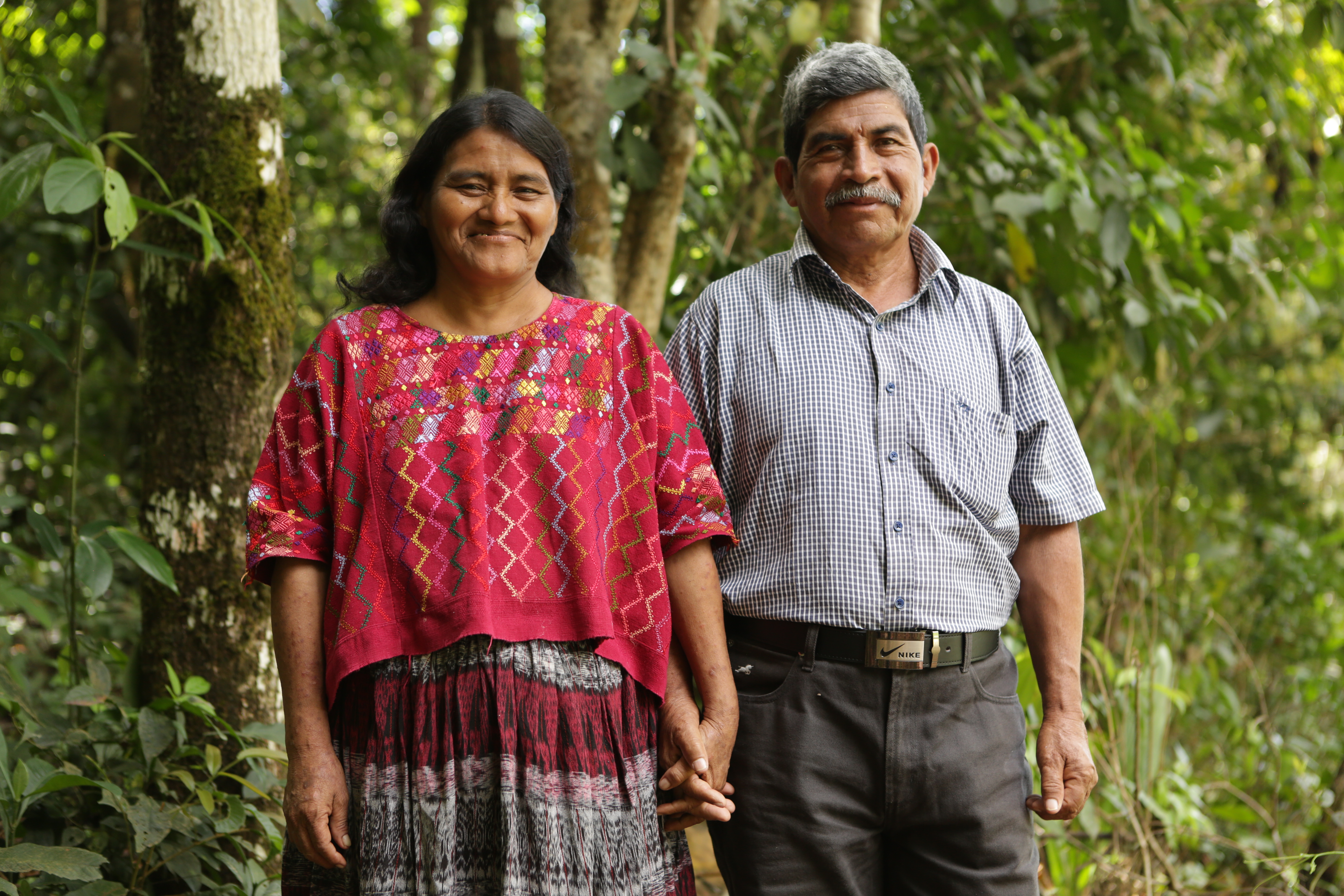
Rodrigo Tot with his wife, taking a walk in the forests. (Photo: Goldman Environmental Prize)

The Guatemalan court has yet to enforce the court’s ruling, and Tot is working with the US-based Indian Law Resource Center to bring the case to the Inter-American Commission on Human Rights. (Photo: Goldman Environmental Prize)