

August 8, 2018
This is a guest blog post by 2007 Prize winner Hammarskjoeld Simwinga (Zambia, 2007), who attended the Environmental Law Alliance Worldwide annual meeting alongside 22 other Prize winners in May 2018.
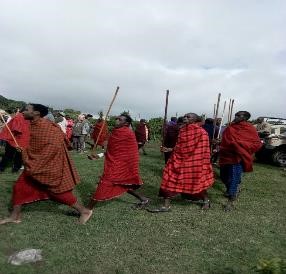
This May, the Goldman Environmental Foundation brought together 23 African Prize recipients in Arusha, Tanzania, for a big reunion at the ELAW international meeting. The meeting included public interest environmental lawyers and scientists from different countries who came to share knowledge, skills, and strategies on how to successfully protect the global environment.
The conference was the first of its kind for me to attend. It was highly beneficial and I enjoyed the interaction with environmental lawyers and the many colleagues working in conservation. I also learnt a lot from other front-line defenders on how on many occasions they have endured hardships to save some of the most endangered ecosystems of the world. Many lessons were learnt from their personal and hands-on field experience.
Field Trip to Ngorongoro Conservation Area
Our group’s trip to the Ngorongoro Conservation Area gave me an opportunity to learn how the Tanzanian government has managed to integrate local pastoralists, the indigenous Maasai people, and wildlife.
The crafts and weaving by the local people were communally marketed together with their traditional dancing in one place. This is something I have taken back home and will apply in our newly created community nature conservancy.

Collaboration and Networking
At the conference, I was able to connect with environmental lawyers coming from the southern part of Africa and explore how we can strengthen networking in the region and improve joint advocacy on natural resource law and policy that enhances the promotion of human rights, especially for communities that are collectively staying on communal lands. As a result of this meeting, my task now is to start identifying young people in higher learning institutions to start considering conservation work as a career option. This will help create a wider and stronger network of highly motivated young people who will have the desire to defend the environment for generations to come.
It was highly inspirational to meet so many people who, in many cases, I had only interacted with through mail and pictures. The three days of meeting was truly a reunion with a common purpose.
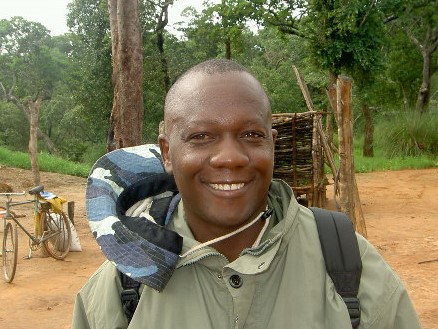 Hammarskjoeld Simwinga received the Prize in 2007 for his innovative efforts to stop illegal wildlife poaching, which in turn bolstered community economic initiatives. Today, Simwinga continues to work on conservation issues through his organization, Foundation for Wildlife and Habitat Conservation, which promotes the sustainable use of natural resources and creation of economic opportunities for rural communities in Zambia.


